


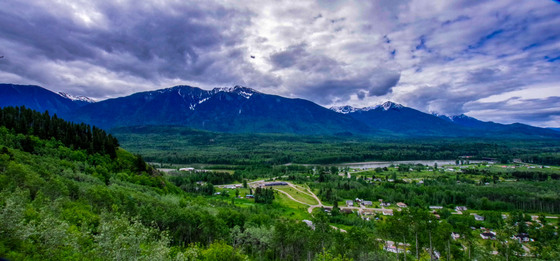
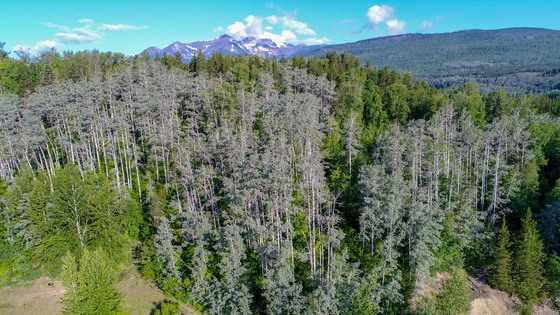
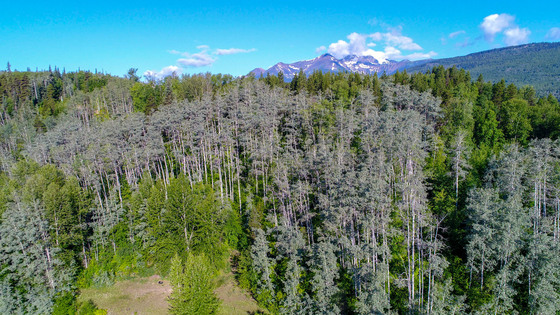
122 acres of exceptional privacy near Kitwanga and City of Terrace. The parcel is ideal for a dream home, offering undisturbed personal recreation and convenient access to this outstanding region. Flexible zoning permits both residential and agricultural pursuits
 +2 photos
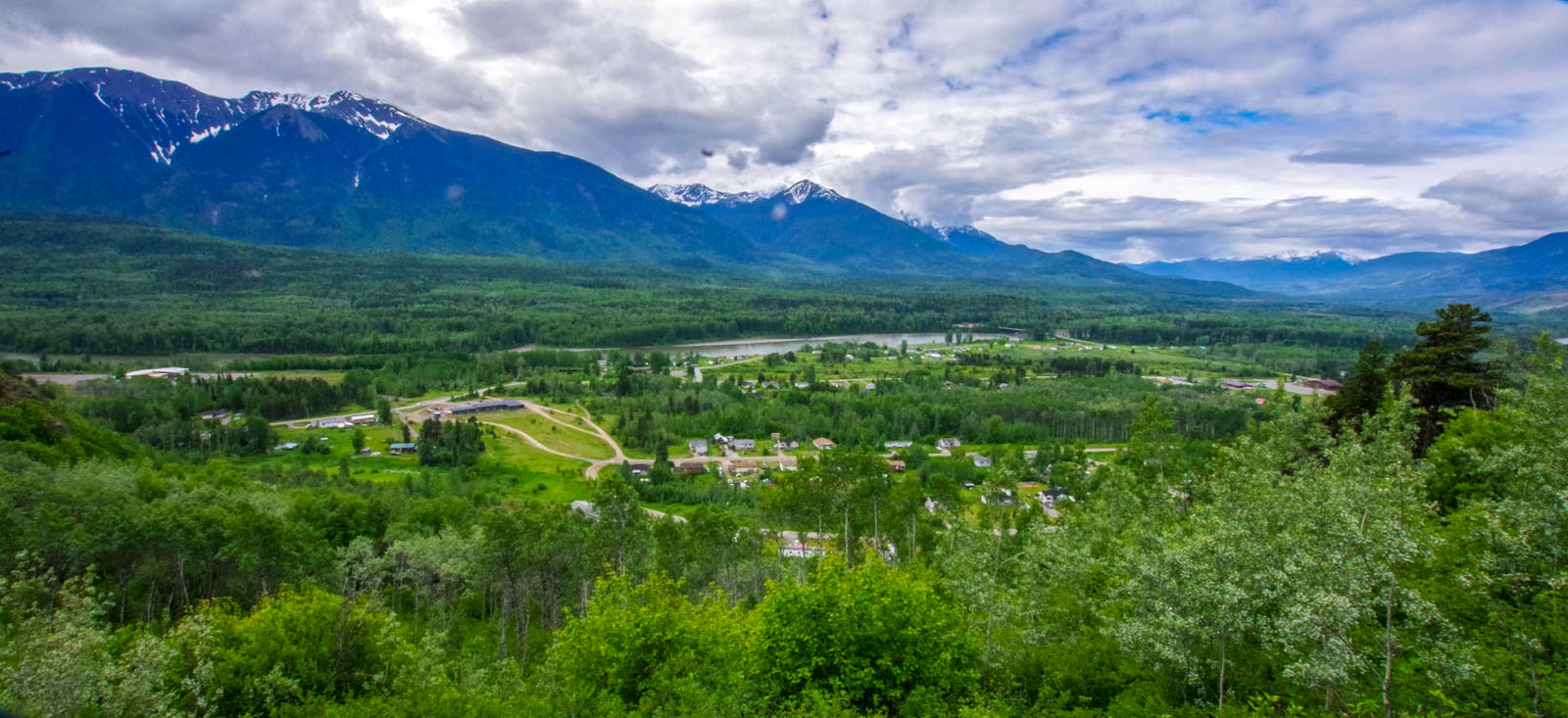
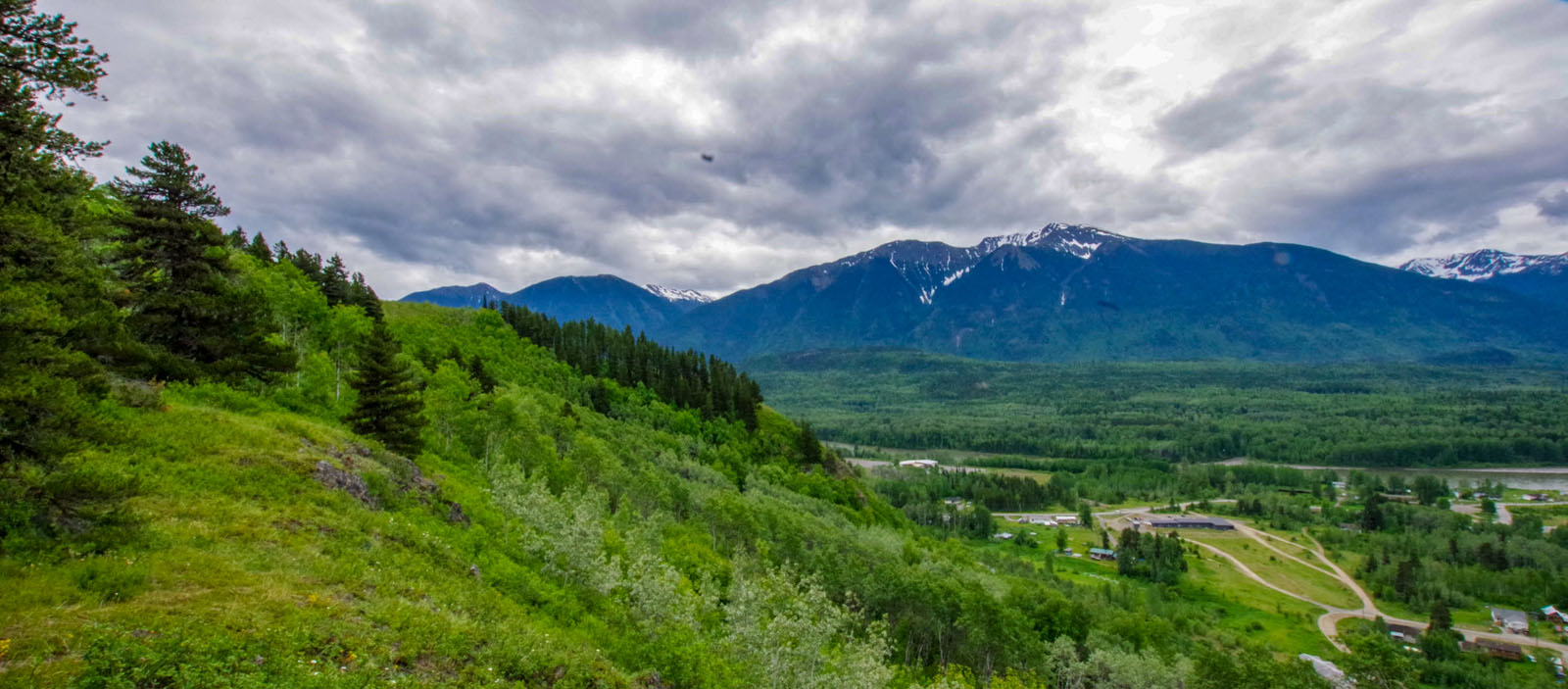
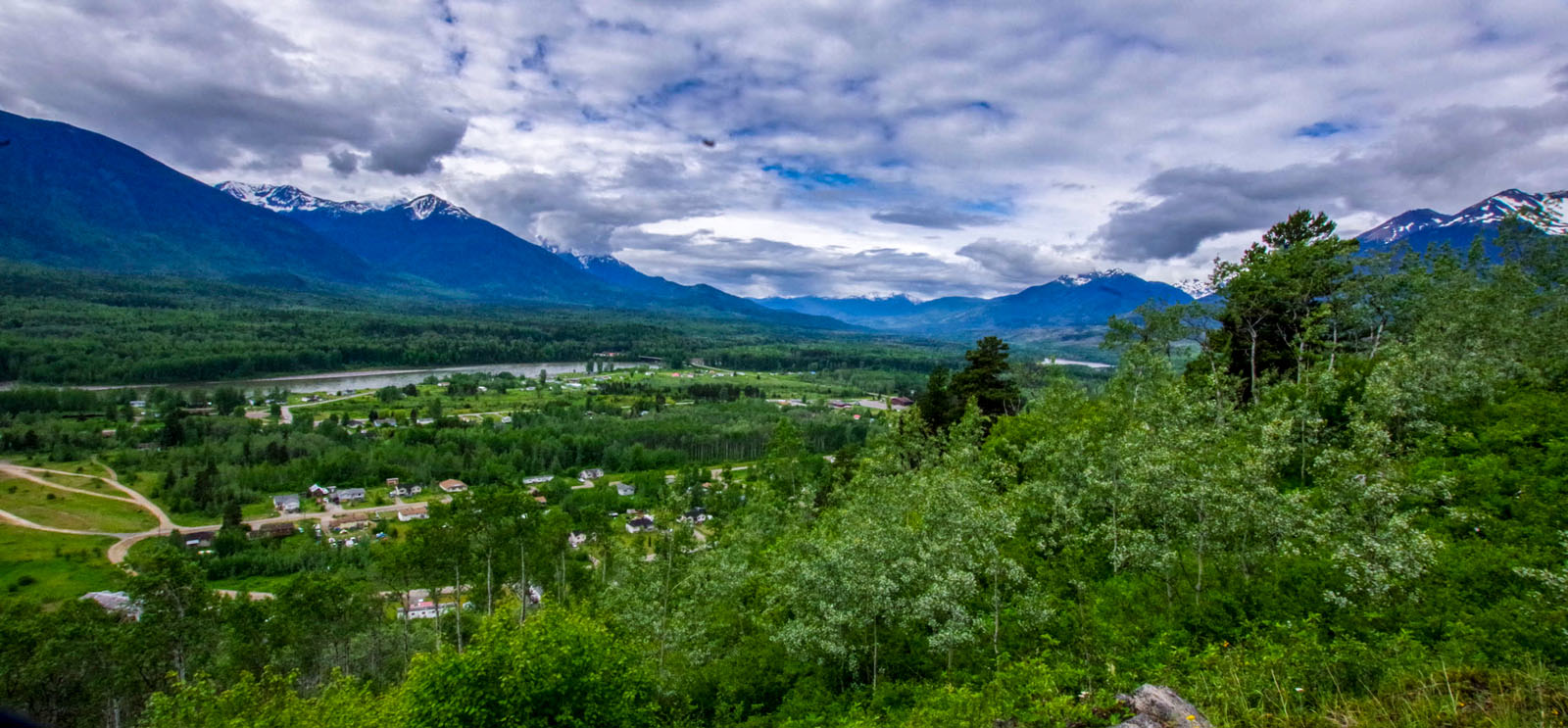
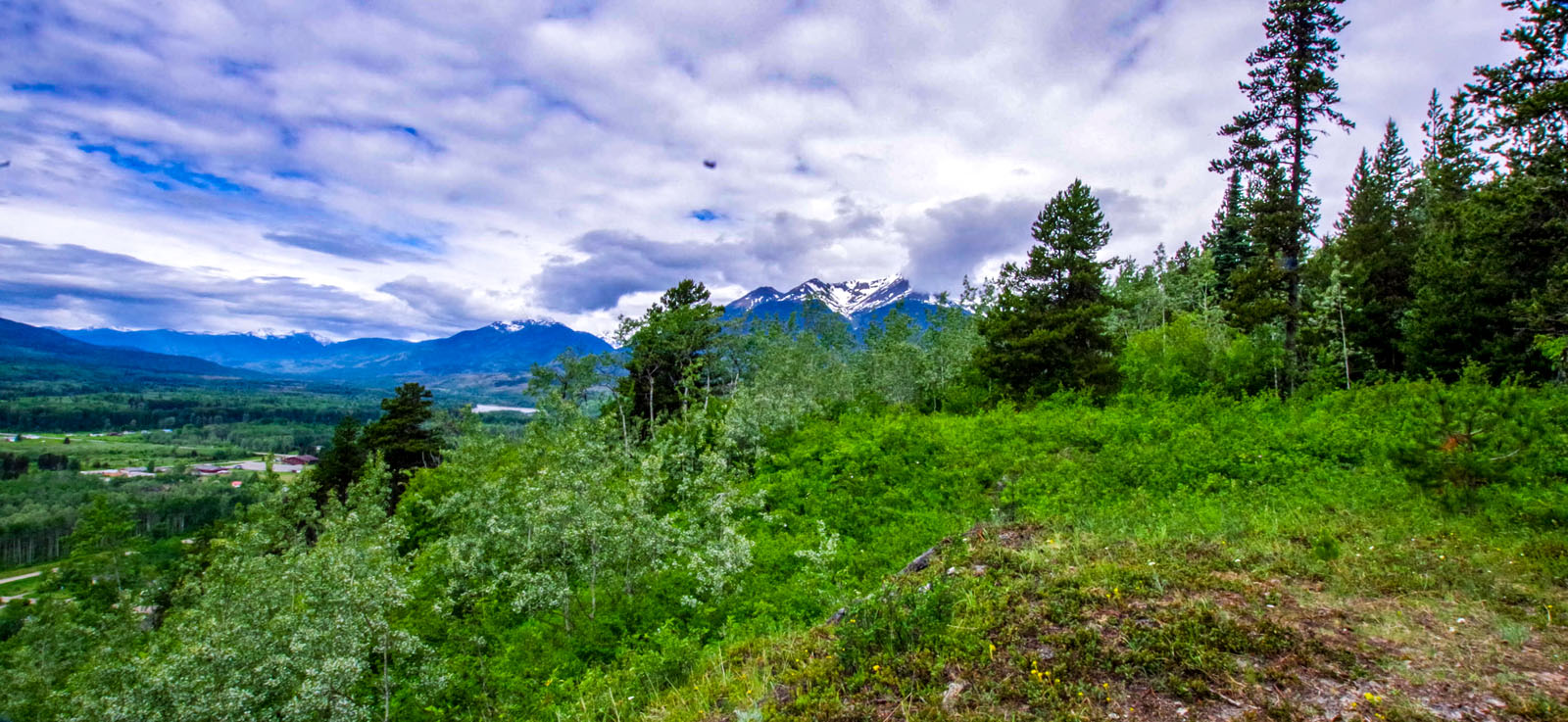
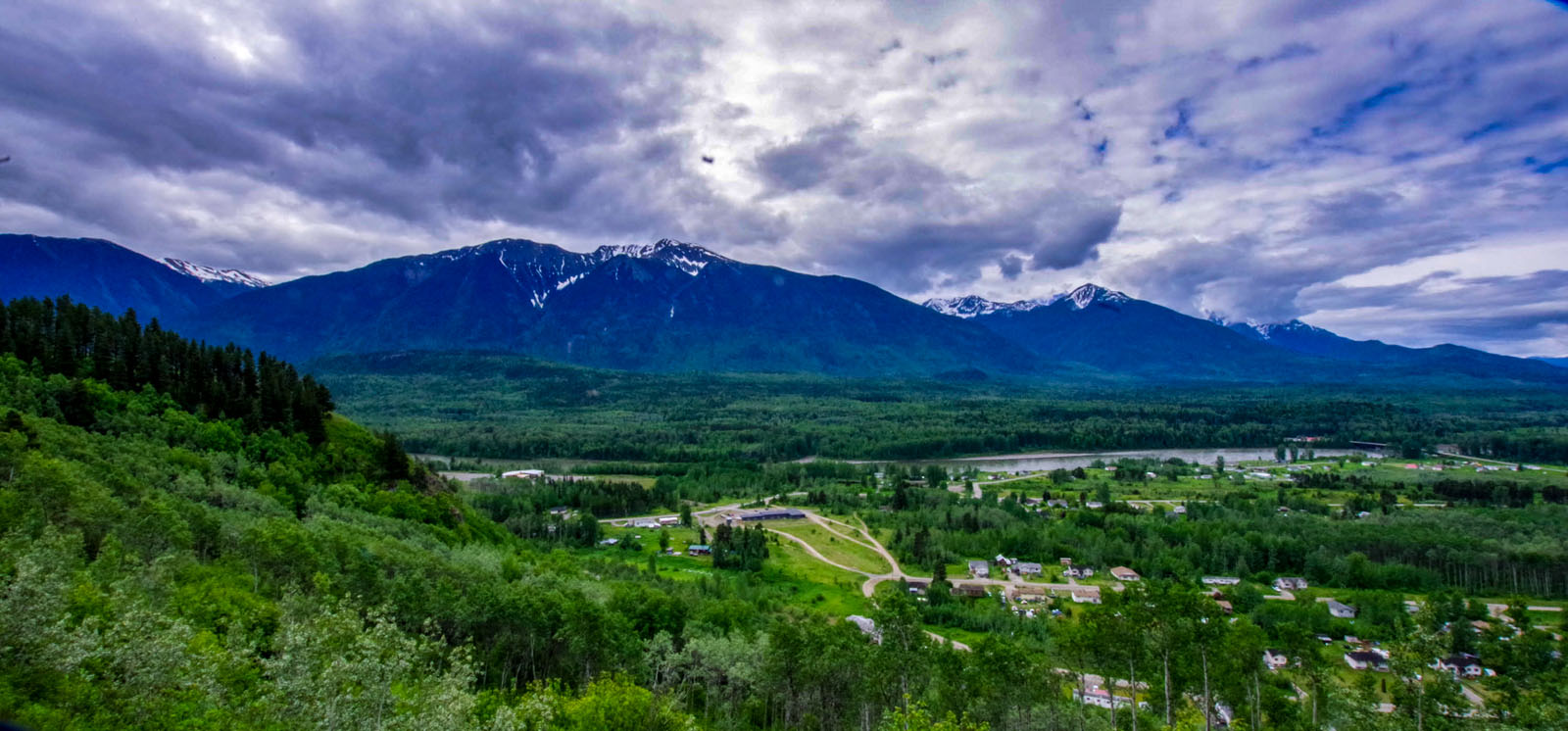
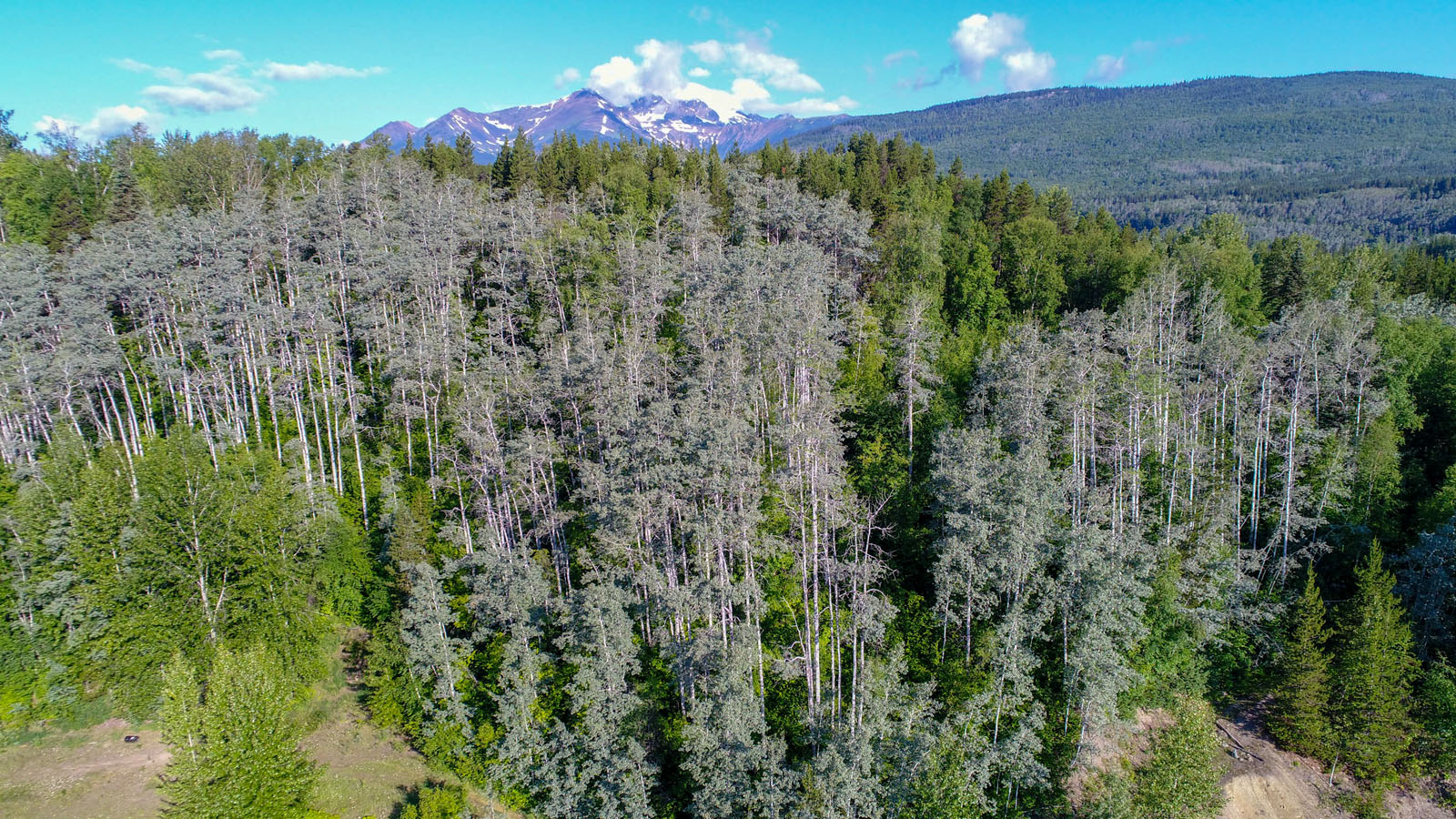
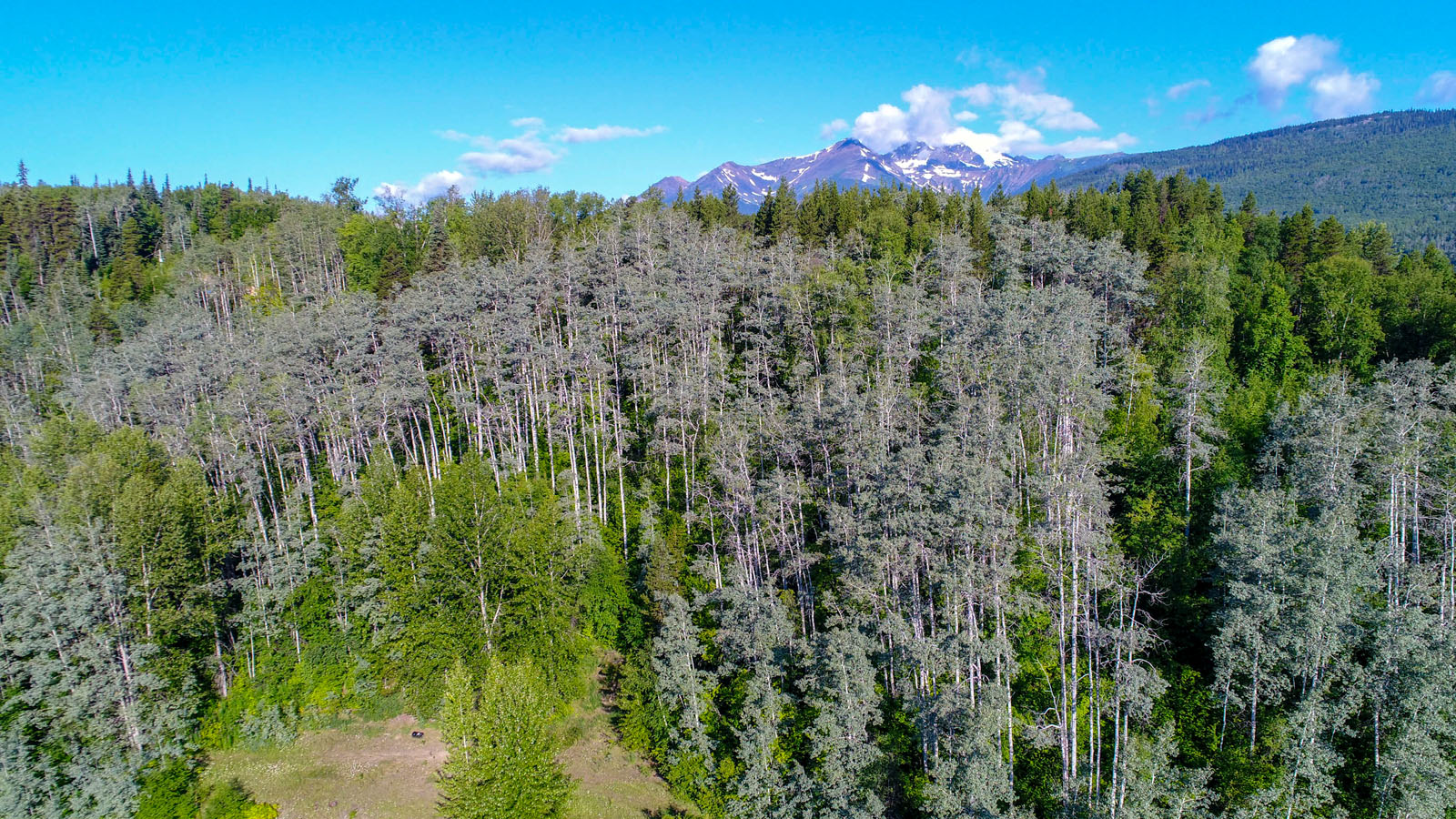
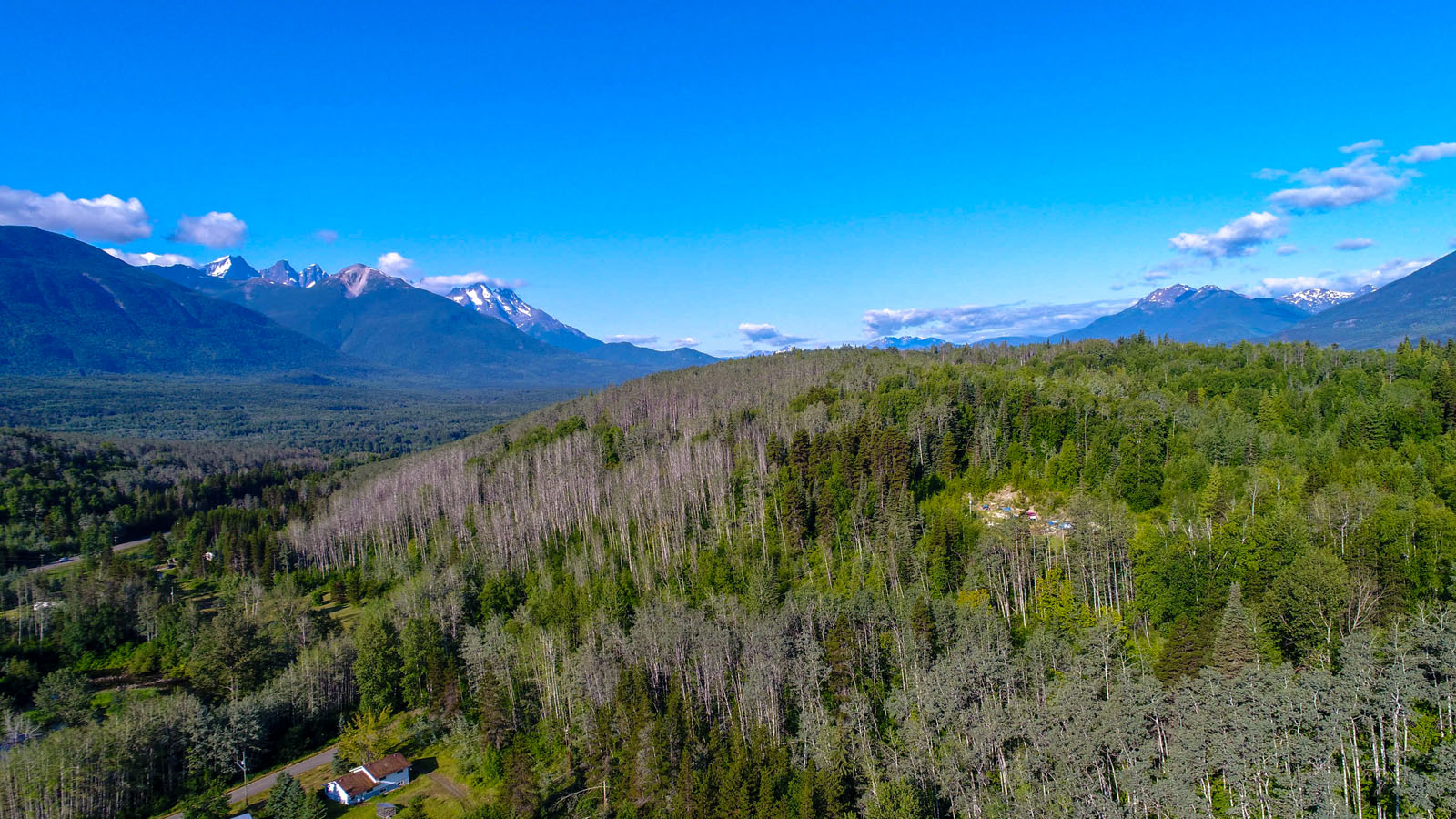
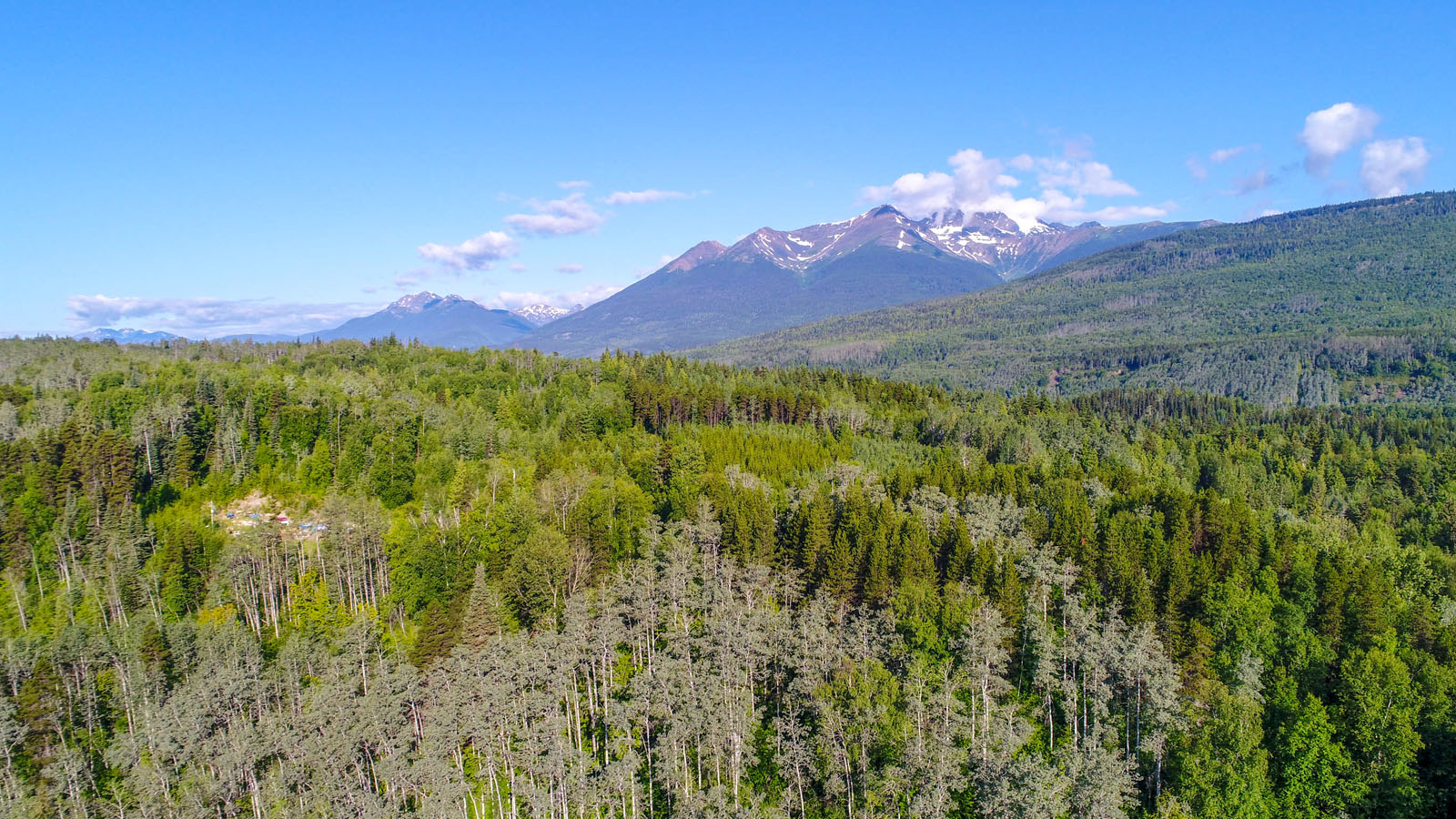
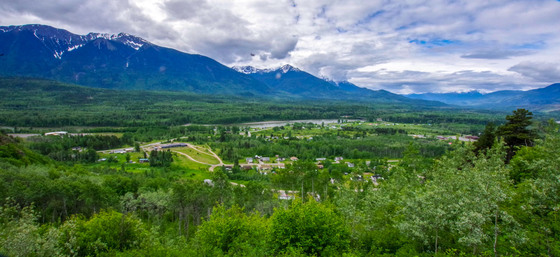
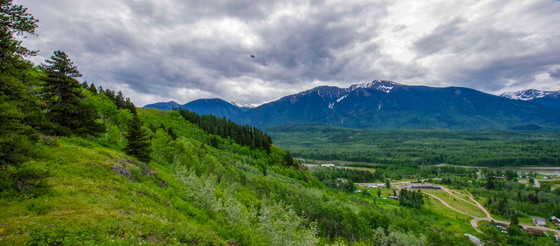
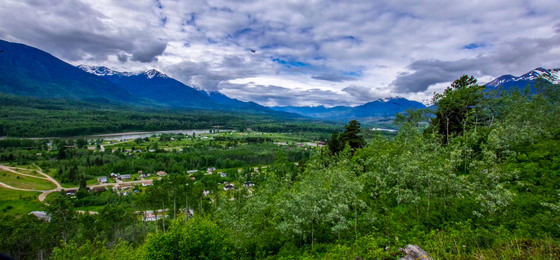
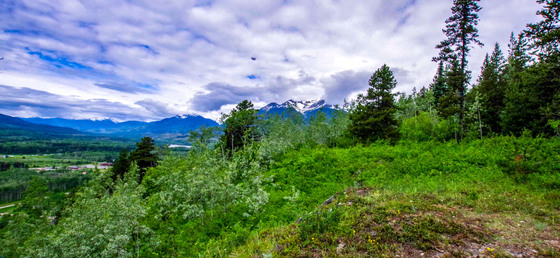
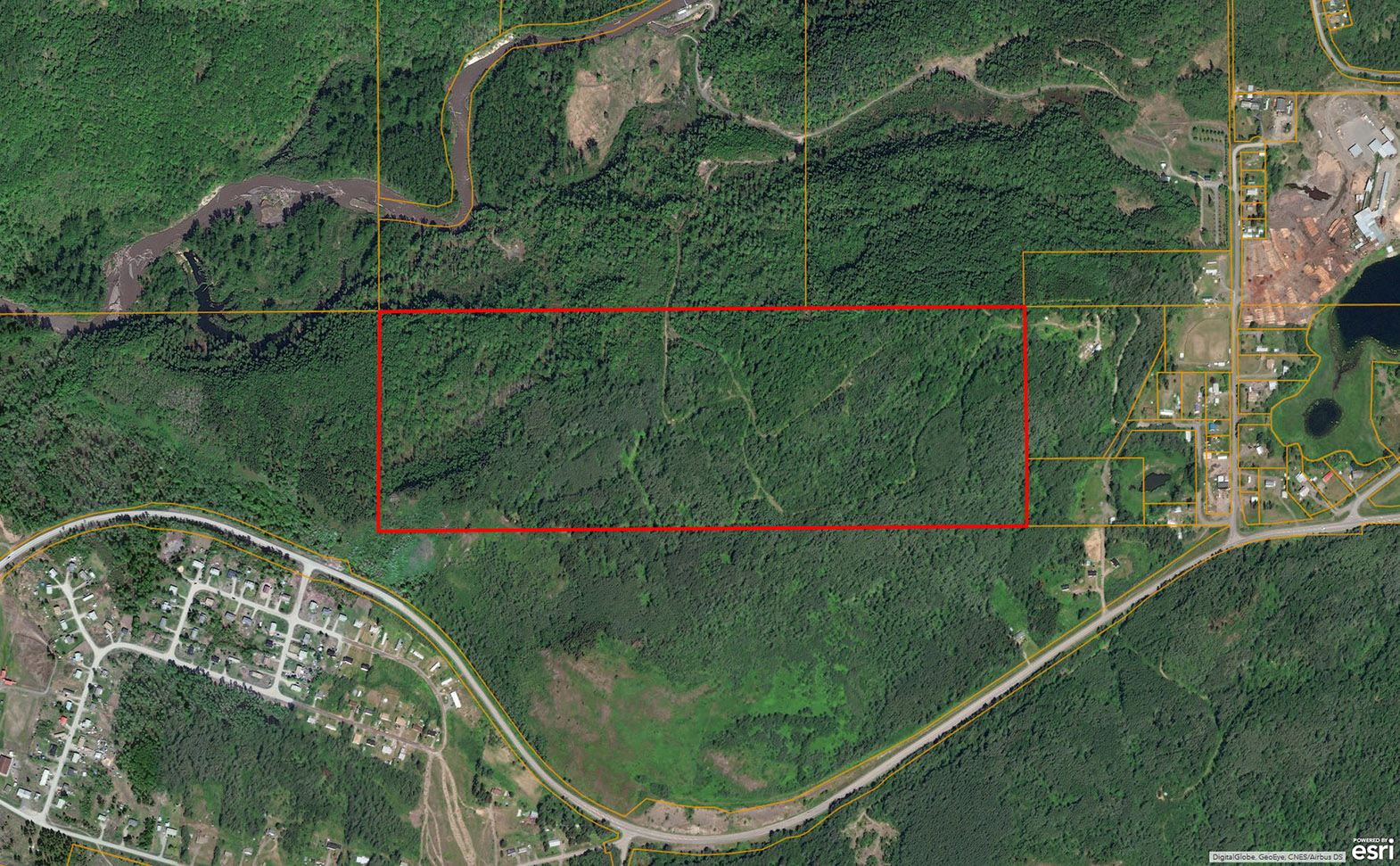
With spectacular views of the Hazelton Range, Kitwanga Valley, and the Skeena River, these private 122 acres offer peace and tranquillity. Proliferate deciduous and coniferous trees give a brilliant habitat for personal enjoyment, wildlife, and the freedom to sculpt your dream property.
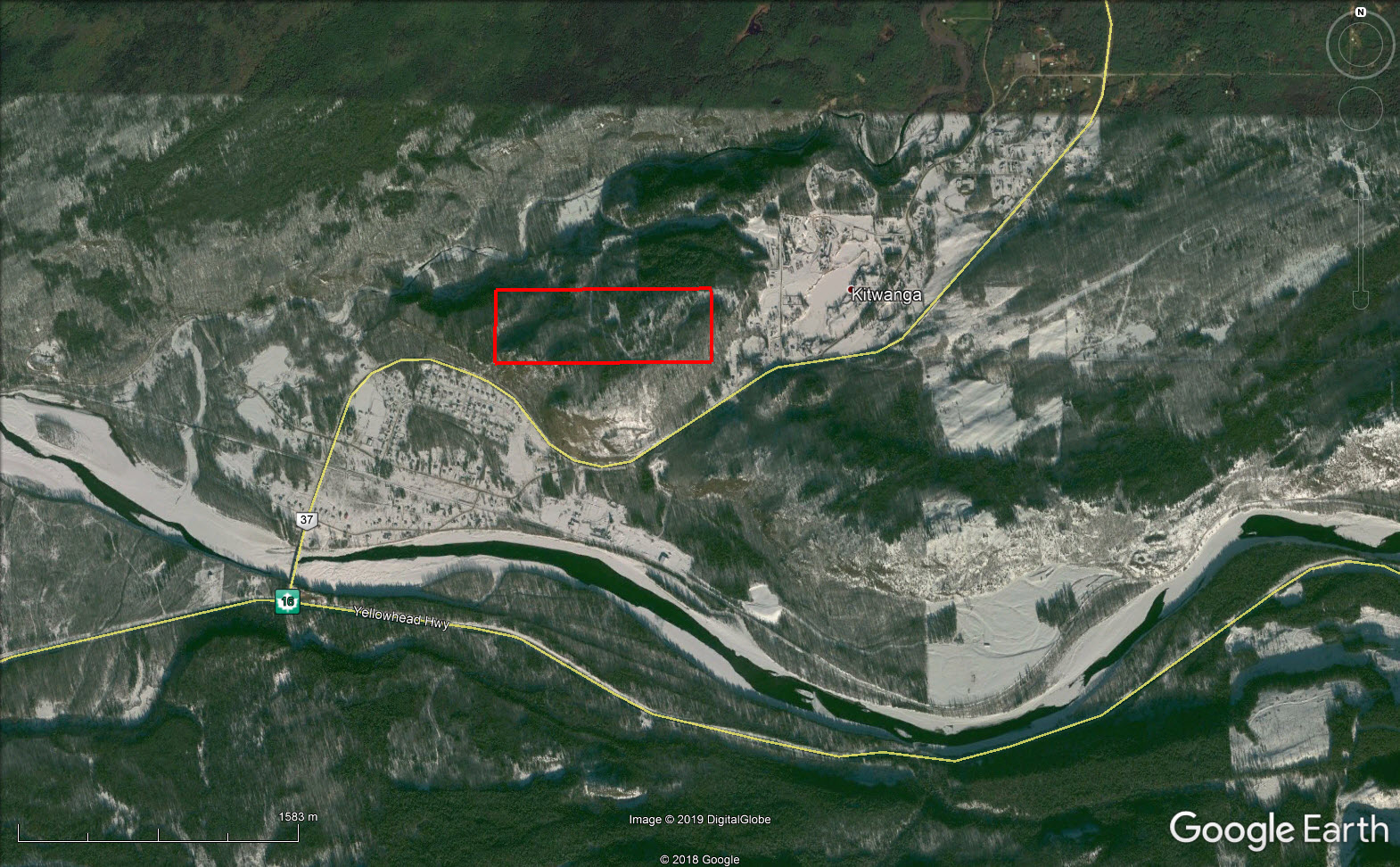
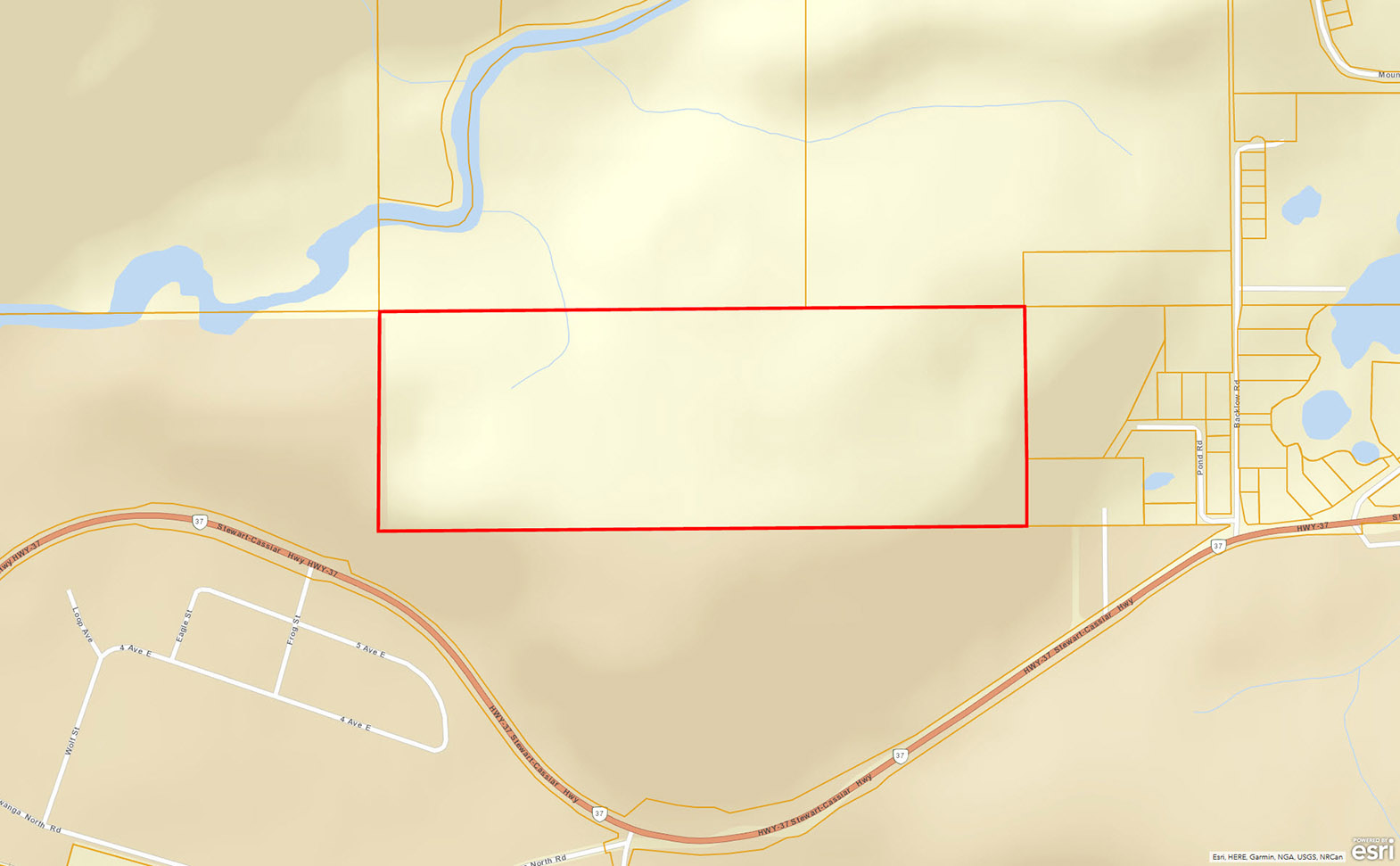
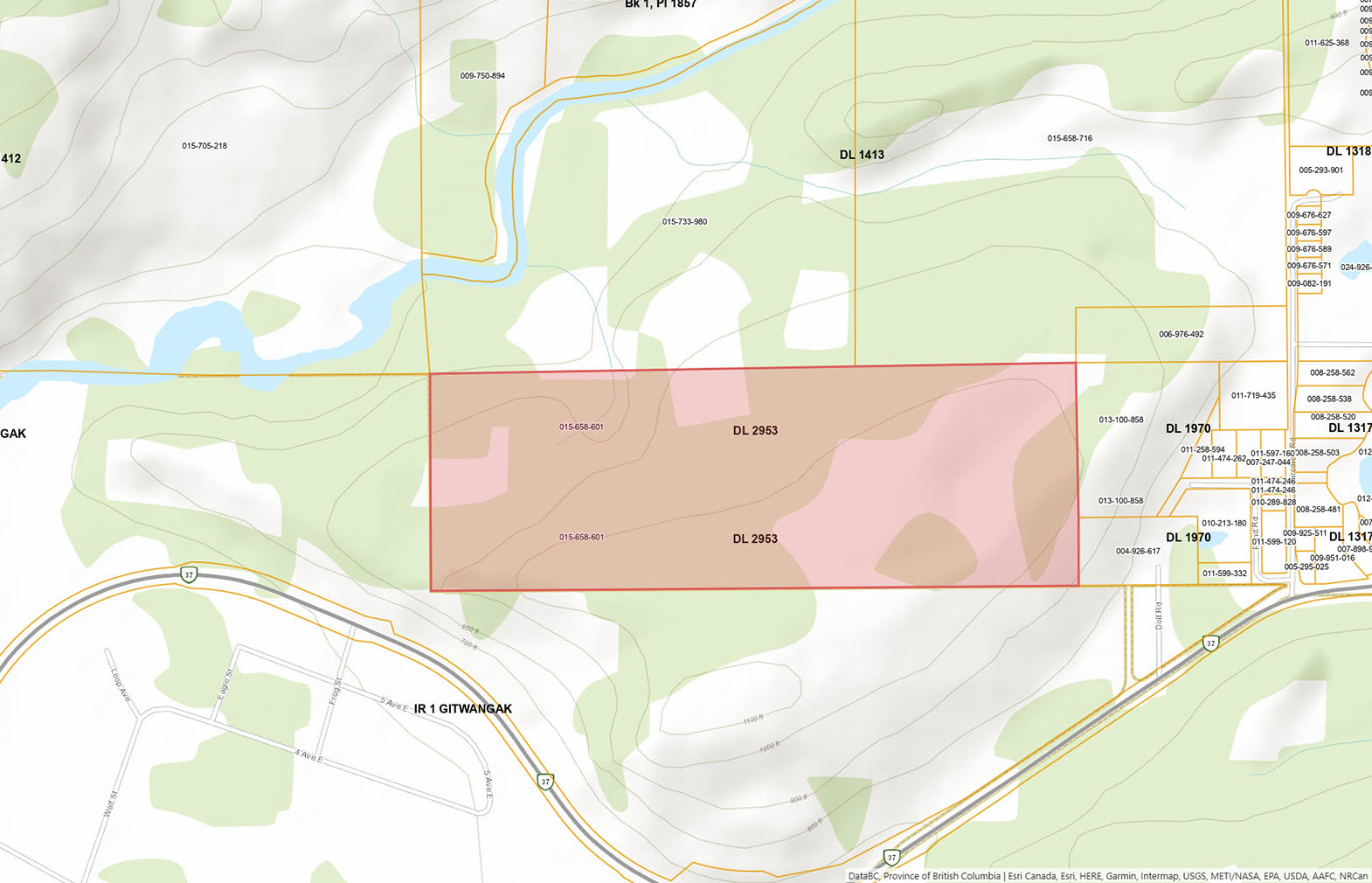
DL 2953 - at the end of Pond Road in Kitwanga, BC
The property is approximately 4 km NE from the junction of Highway 16 and 37. Turn north from Highway 16, toward the village of Kitwanga. Turn left onto Barcalow Road and left again onto Pond Road. The easement access is at the end of Pond Road.
Officially designated as a National Historic Site, Kitwanga, also known as Gitwangak, is on the Stewart-Cassiar Highway 37, 4 km north of the Yellowhead Highway 16 junction. Discover the history of the Northwest First Nations at Kitwanga Fort National Historic Site, where you'll find an extensive collection of totem poles. Additional iconic landmarks include the 1893 St Paul's Anglican Church and Bell Tower.
Primary employers are Kitwanga Forest Products, Kitwanga Elementary School, and Meek Logging Limited. The community has a community hall, post office, general store, restaurant, recreation complex, ballfield, RV park, trail system, ambulance station, and two churches.
Prince George is the largest hub city in northern BC, often referred to as the province's "Northern Capital." Situated at the confluence of the Fraser and Nechako rivers and at the crossroads of Highways 16 and 97, it is home to an international airport. Terrace, a shorter distance, is a significant service and supply center.
Prince George, population 74,004, is the largest hub city in northern BC. It is often referred to as the province's "Northern Capital." PG is situated at the Fraser and Nechako rivers' confluence and the crossroads of Highway 16 and Highway 97. Prince George's northern city hub is just over a 5.5-hour drive with an international airport. Domestic connections to international airports are available in Terrace and Smithers. A significant supply center, Terrace is barely over a 1-hour drive for supplies and services.
Multiple mountain goat herds reside within the park, and frequent the peaks and ridges during the summer and winter in the forests near Oliver Creek and Hells Bells Creek. Grizzly and black bears, raptors, and other birds frequent the entire Protected Area. In low-elevation forested areas, marten and fisher birds use older forests. Moose, mule deer, coyotes, and wolves use the park around natural openings, burned areas, and old logging cut blocks. The low-elevation forest between Hells Bells Creek and Oliver Creek provides mule deer winter range. Salmon pass through the lower reaches of creeks, and trout live within most lakes and streams.
This Park also offers wildlife-viewing opportunities across various habitats. There are grizzly bear habitats in the subalpine and good moose habitats. Lower elevations provide excellent opportunities for migratory bird viewing.
Along the 480 km Skeena River, the Kermode bear (also known as Spirit Bear) lives near the Skeena Valley from Prince Rupert to Hazelton. The region is also home to black, brown, and grizzly bears. The river is famous for sport fishing, especially for its five different salmon species. With 5 million spawning salmon a year, the river is second only to the Fraser River in capacity to produce sockeye salmon. The river rises in the northern interior of BC and generally flows southwest into the Pacific Ocean at Chatham Sound, south of Prince Rupert.
Seven Sisters Provincial Park and Protected Area offer an exceptional, natural setting for a wide variety of recreational activities. Hiking and snowmobiling are two popular front and backcountry activities. Beautiful glaciers top these mountains. Several trails run from Highway 16, including Oliver Creek Trail, Watson Lakes Trail, Hell's Bells Trail, Cedarvale Trail, Whiskey Creek Trail, and Coyote Creek Trail. These trails offer a wide variety of experiences.
The Kitwanga Mountain Provincial Park offers an environment unto its own. The mountain top is above the treeline and remains in a perfectly natural state. The reward is an excellent view of the Seven Sisters Peaks and throughout the Skeena Valley for those who hike the trail.
The Skeena River is a mighty river that originates south of the Spatsizi Plateau Wilderness Provincial Park in the northwestern region and flows to the Pacific Ocean. Five species of salmon thrive in this River, along with steelhead. Taking in the beauty of the whole Skeena Valley by fishing, boating, floating, or paddling provides an excellent way to relish the day.
Historically, the Kitwanga or Gitwangak ("people of the place of rabbits" in the Gitxsan language) had long been a trade center for the northwest First Nations cultures and the settlers that pioneered the Kitwanga valley. Today, the culture and history of Gitwangak are on display at Gitwangak Battle Hill National Historic Site in the Kitwanga Valley. The surrounding area is rich in First Nations history and is home to up to 50 totem poles.
The Seven Sisters Mountain range has stimulated interest in mineral exploration since the late 1920s. Discoveries included veins with gold, silver, lead, and zinc, all in the headwaters of Oliver Creek. Several log cabins facilitated exploration at the time. Exploration continued from 1968 to 1983, including aeromagnetic, gravity, magnetic, and geochemical surveys, as well as trenching to expose bedrock in areas of interest. The only remnant of the area's mining exploration history is the roads (Oliver Creek Trail and Coyote Creek Trail) and a few dilapidated buildings outside the Protected Area at the abandoned Magnetron Site on the Coyote Creek Trail.
Established in 1997, the Kitwanga Mountain Provincial Park has 1,800 acres north of Cedarvale. The mountains are in the Nass Range near Kitwanga. The trail was rebuilt through a joint project by BC Parks and volunteers from Round Square International Schools at Soaring Spirits Camp.
The Skeena River is the second-longest River entirely within BC, after the Fraser River. Historically, the Skeena has been a vital transportation artery, particularly for the Tsimshian and the Gitxsan, whose names mean 'inside the Skeena River' and 'people of the Skeena River. The river and its basin sustain many fish, wildlife, and vegetation, and communities native to the area depend on the river's health.
55° 6'35.38"N and 128° 2'54.91"W
The acreage is an excellent long-term investment in a private, gorgeous setting.
Power and telephone 200 m from property. Water and septic needed.
Bare land.
$1,468 (2025)
Rural 1
DISTRICT LOT 2953 CASSIAR DISTRICT
PID 015-658-601
 +8 maps


Our property descriptions and geographical information are taken from the BC Assessment Authority, Land Titles Office, government maps and other sources. While LandQuest® does not guarantee the information, we believe it to be accurate, but should not be relied upon without verification. This communication is not intended to cause or induce breach of an existing agency agreement.
Kitwanga
 5℃
5℃
 4℃
4℃