


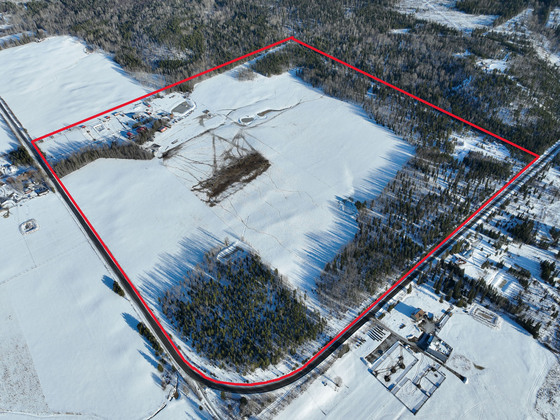
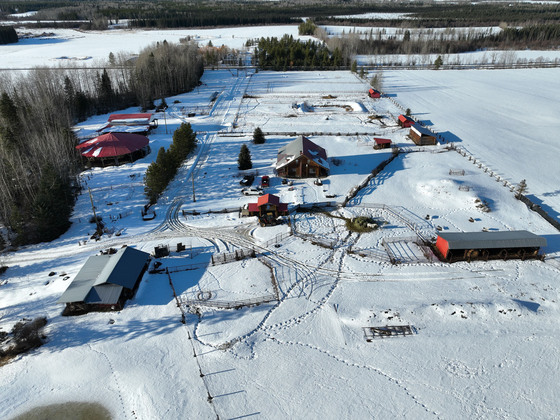
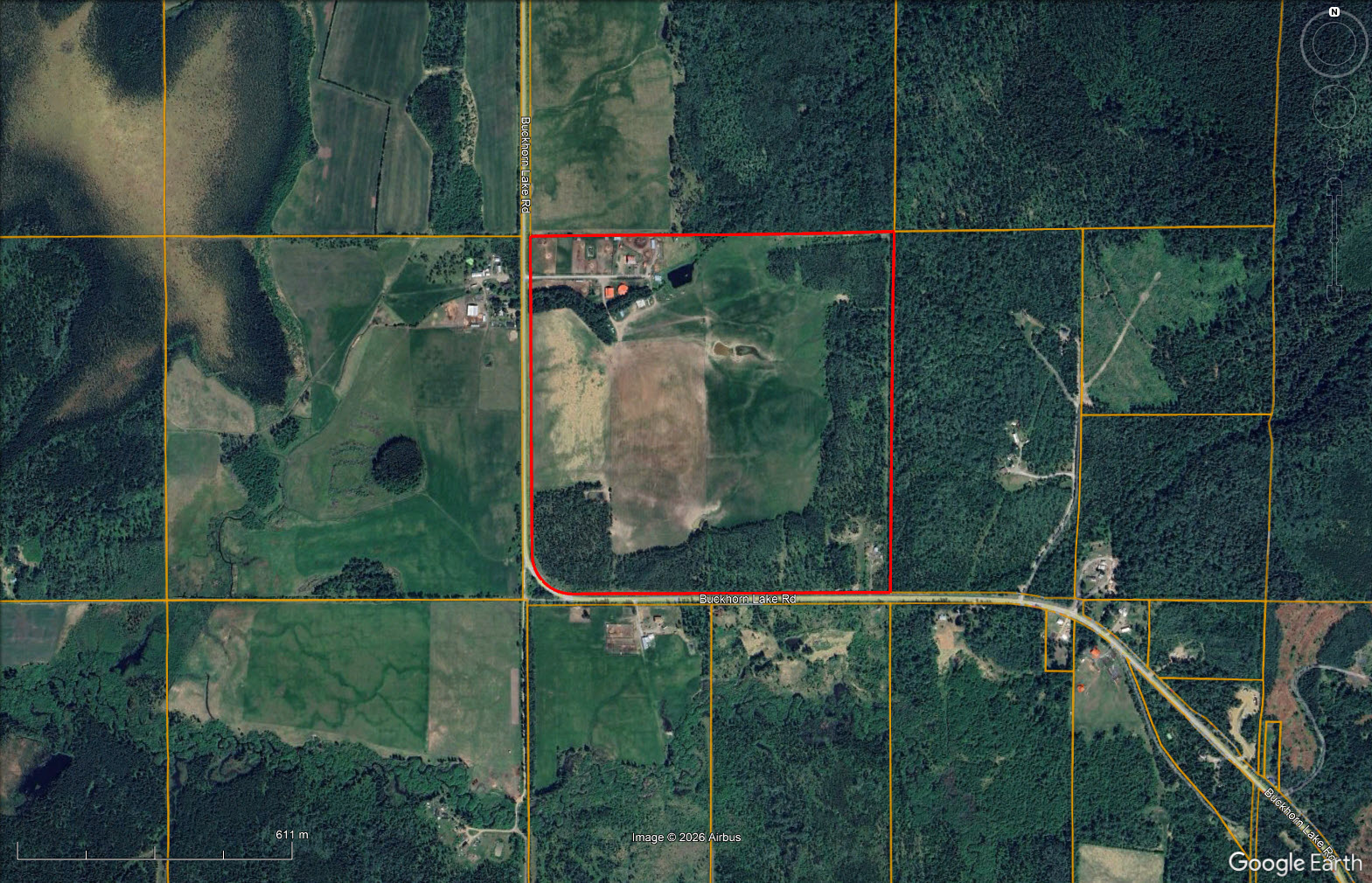
151.82-acre ranch just outside Prince George. Fully developed equestrian operation featuring fenced pastures, arenas, stables & extensive infrastructure. Including a creek with water rights, six dugouts, direct access to recreation trails, a 2,900 sq. ft. custom log home, multiple barns & riding facilities.
 +66 photos
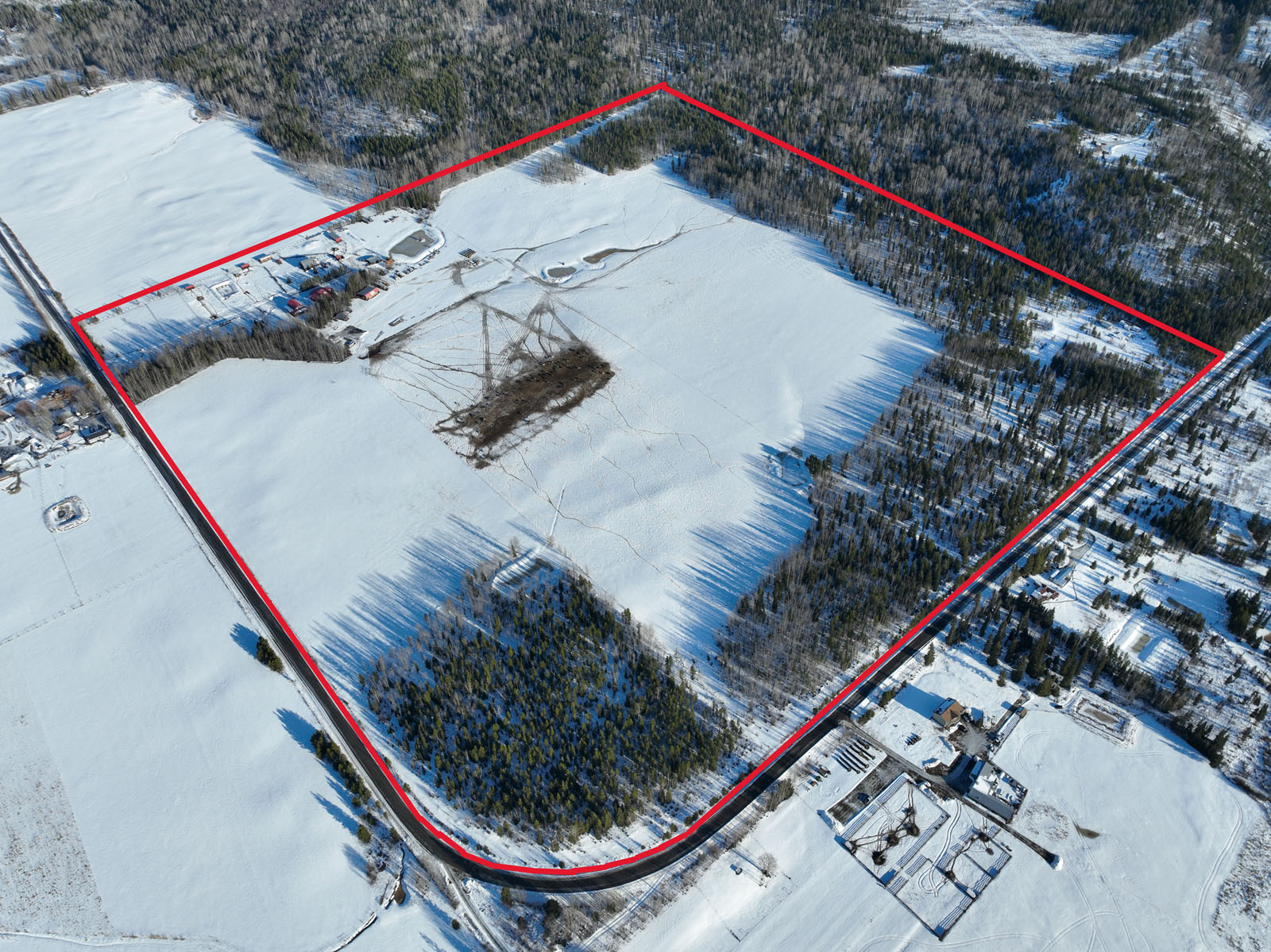
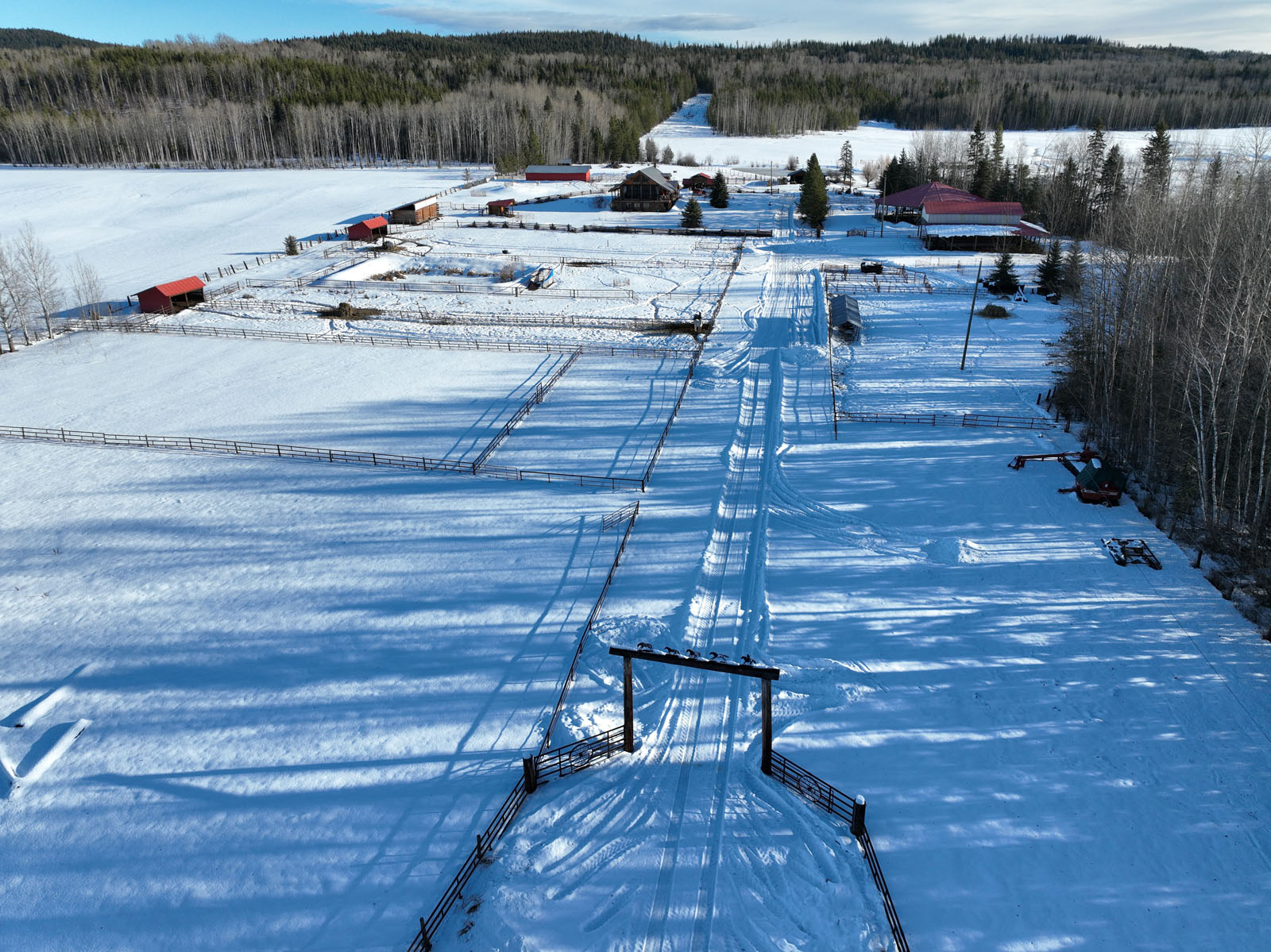
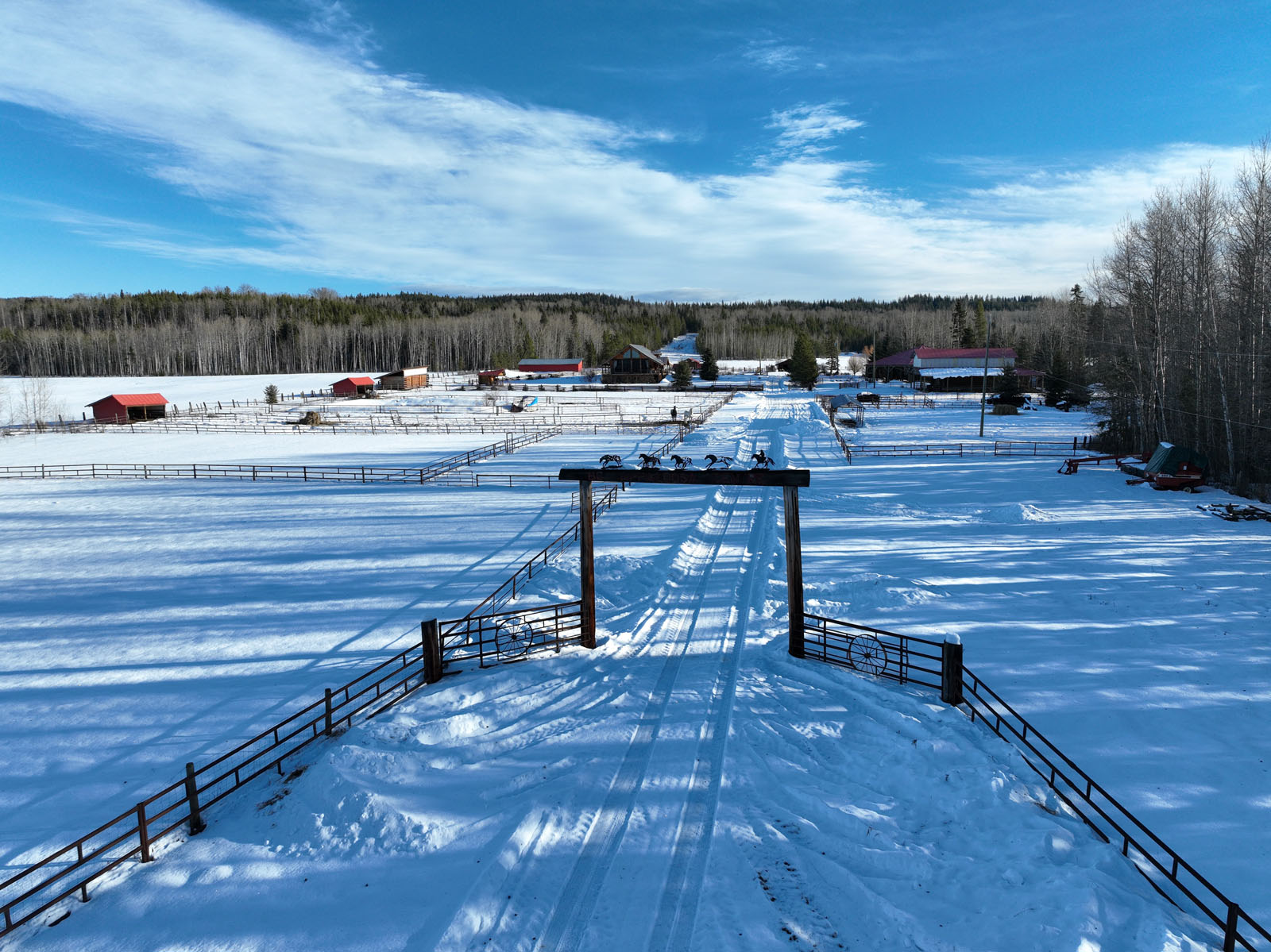
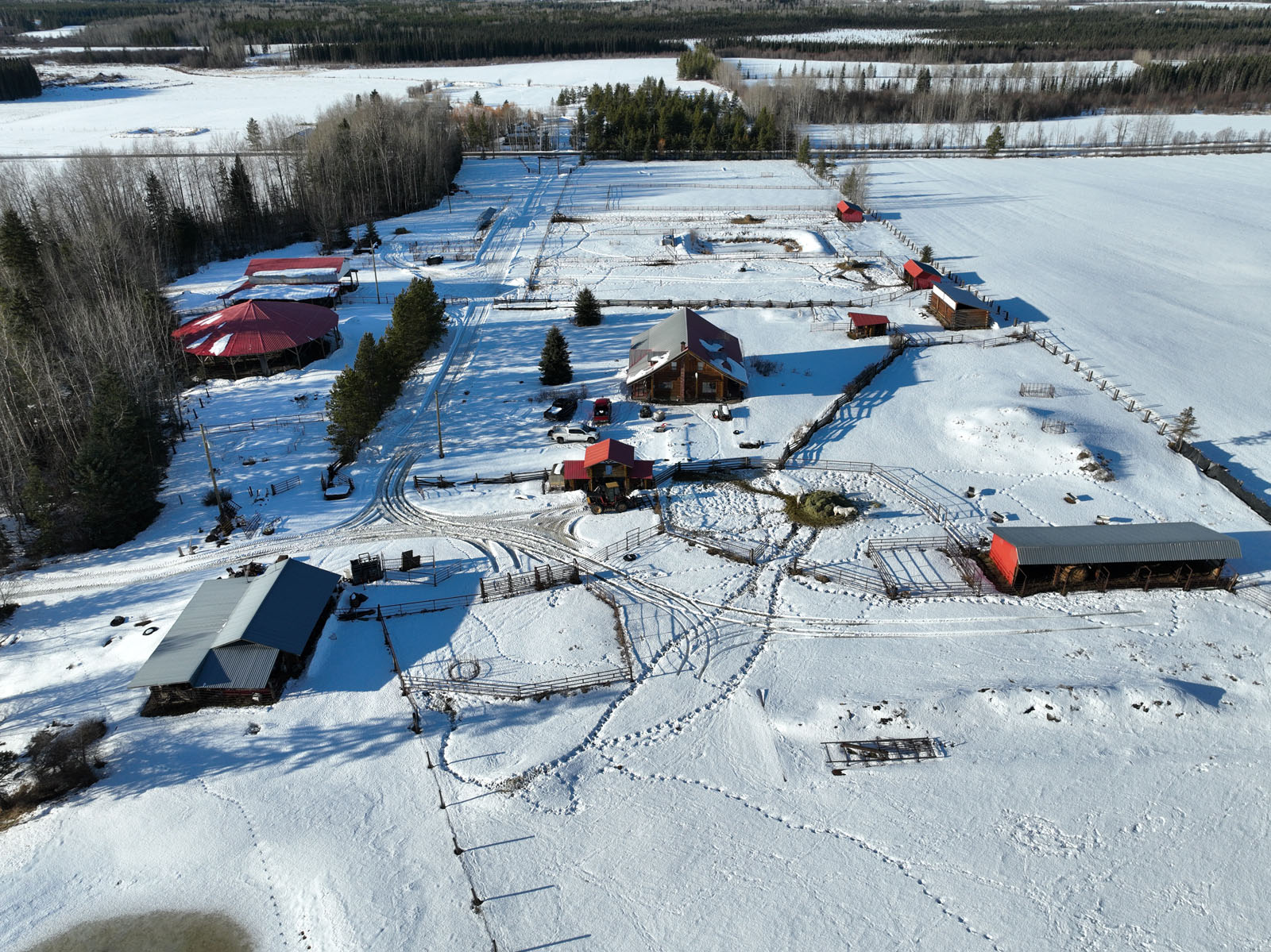
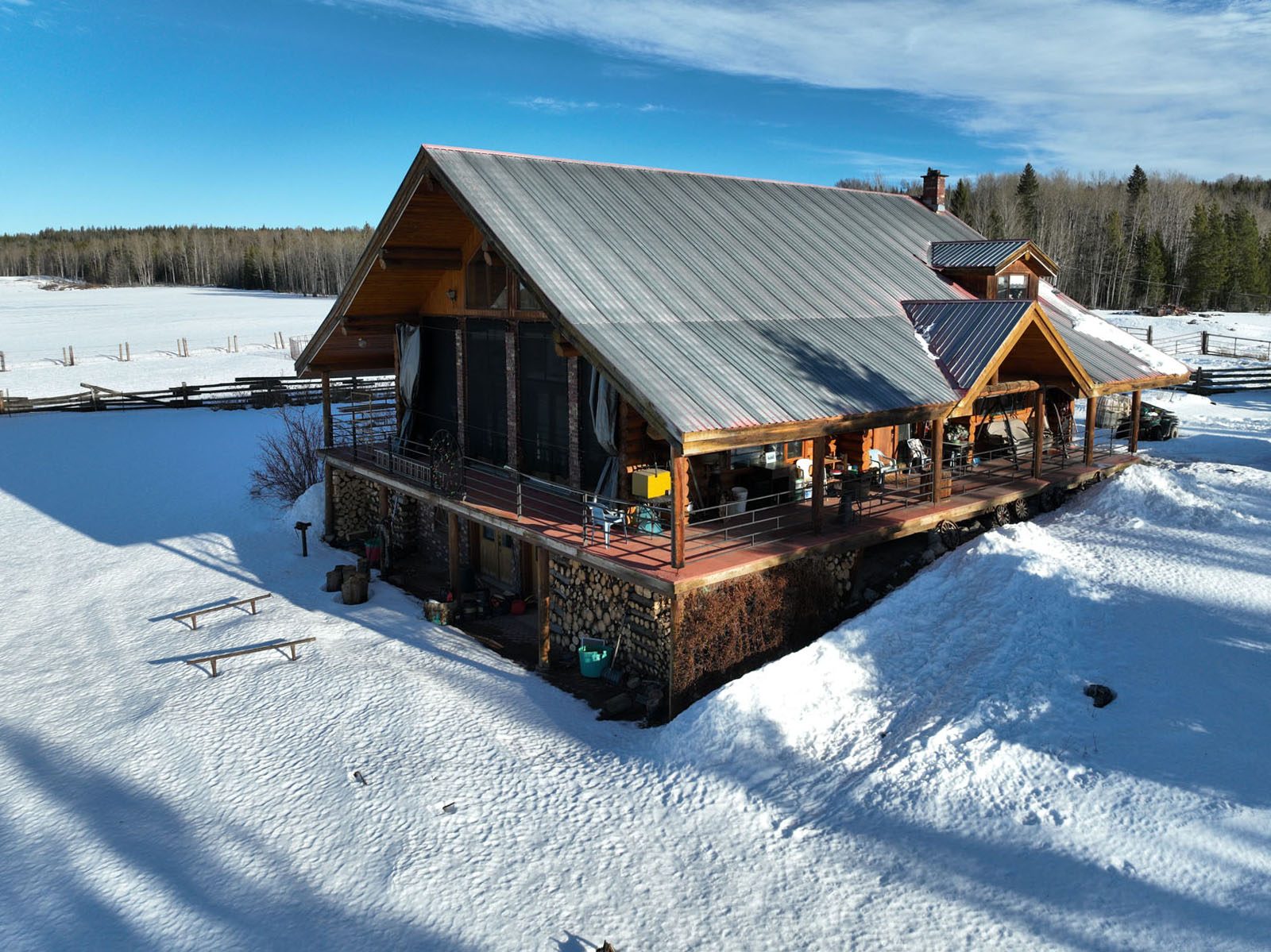
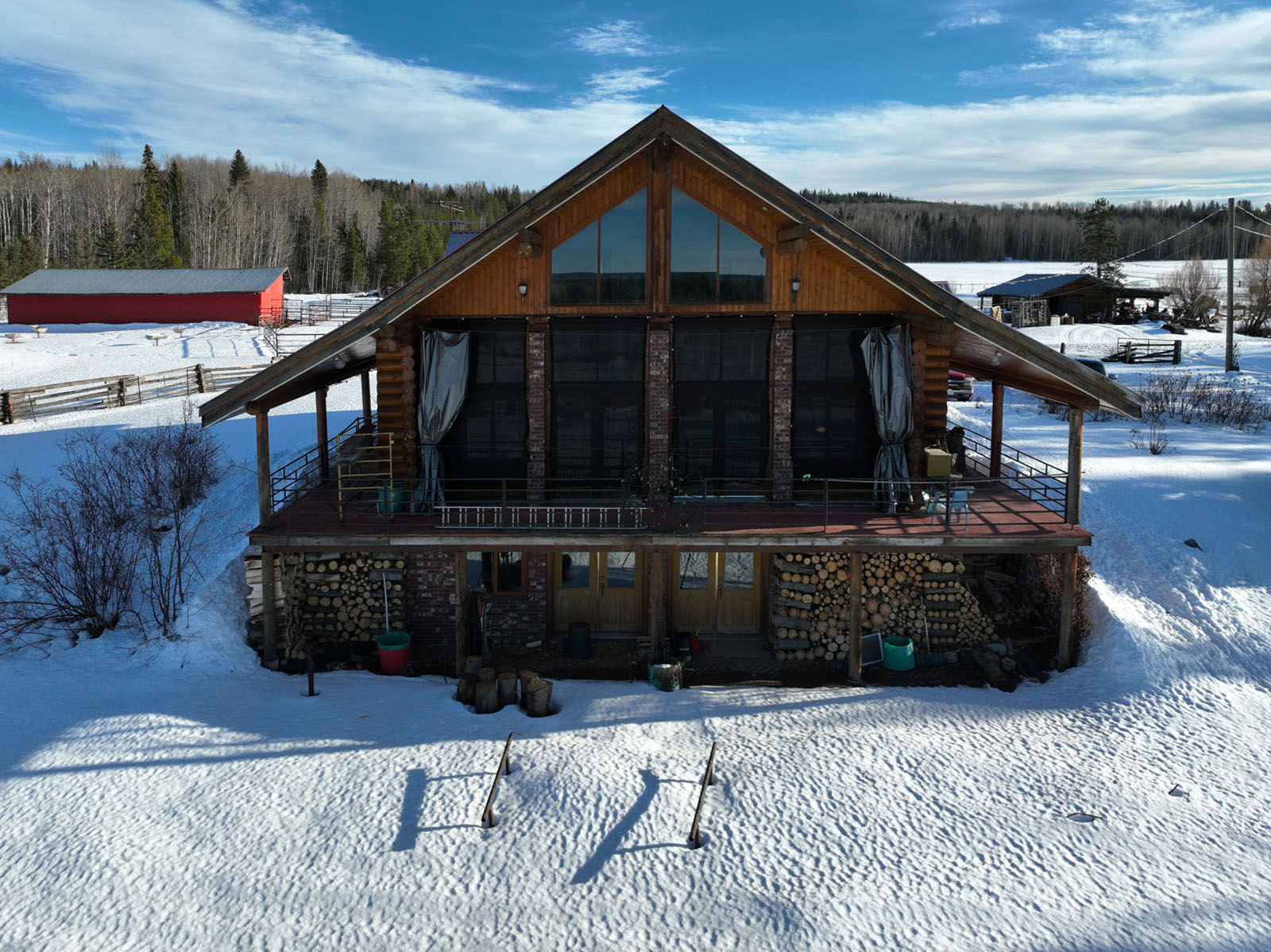
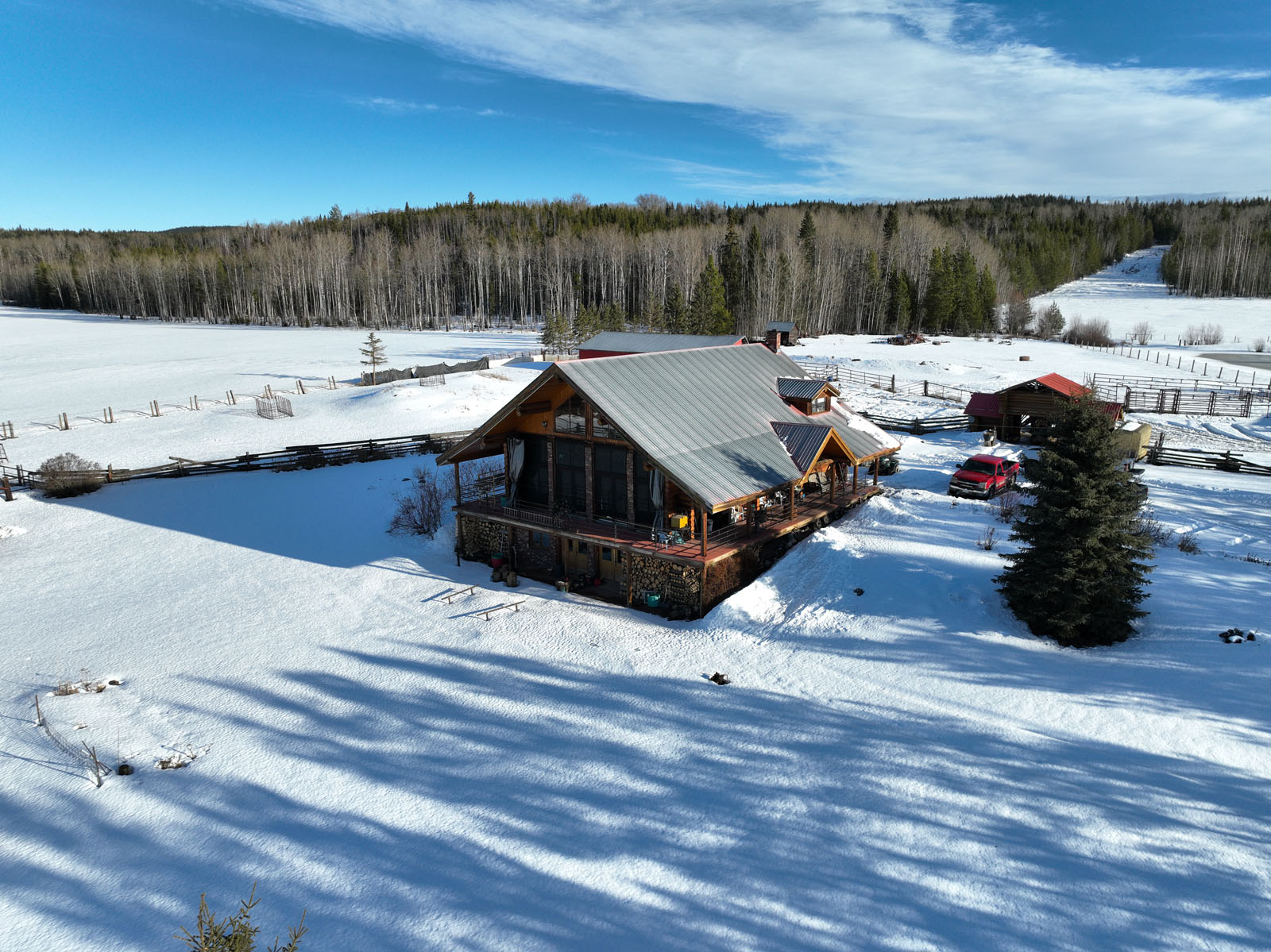
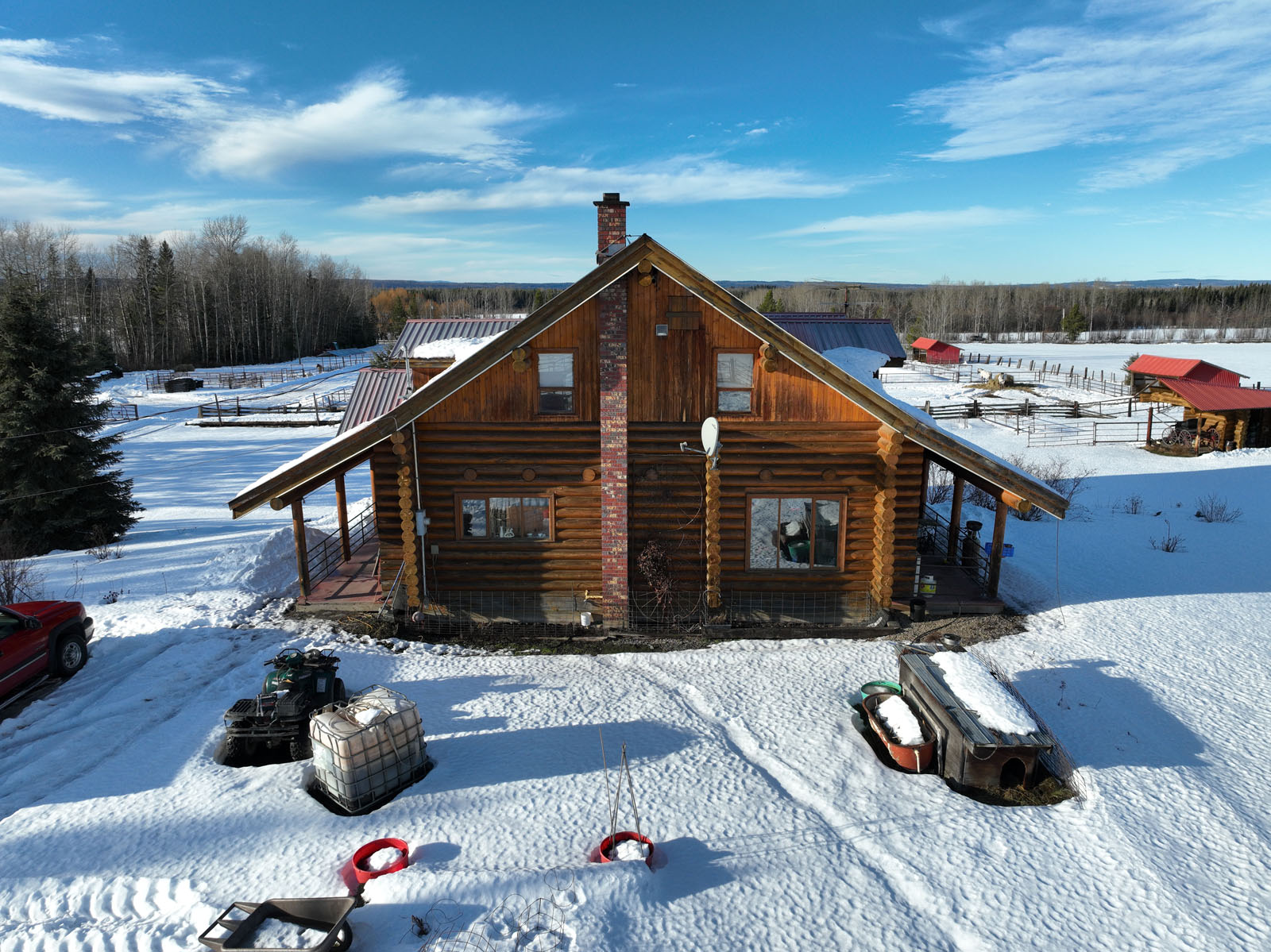
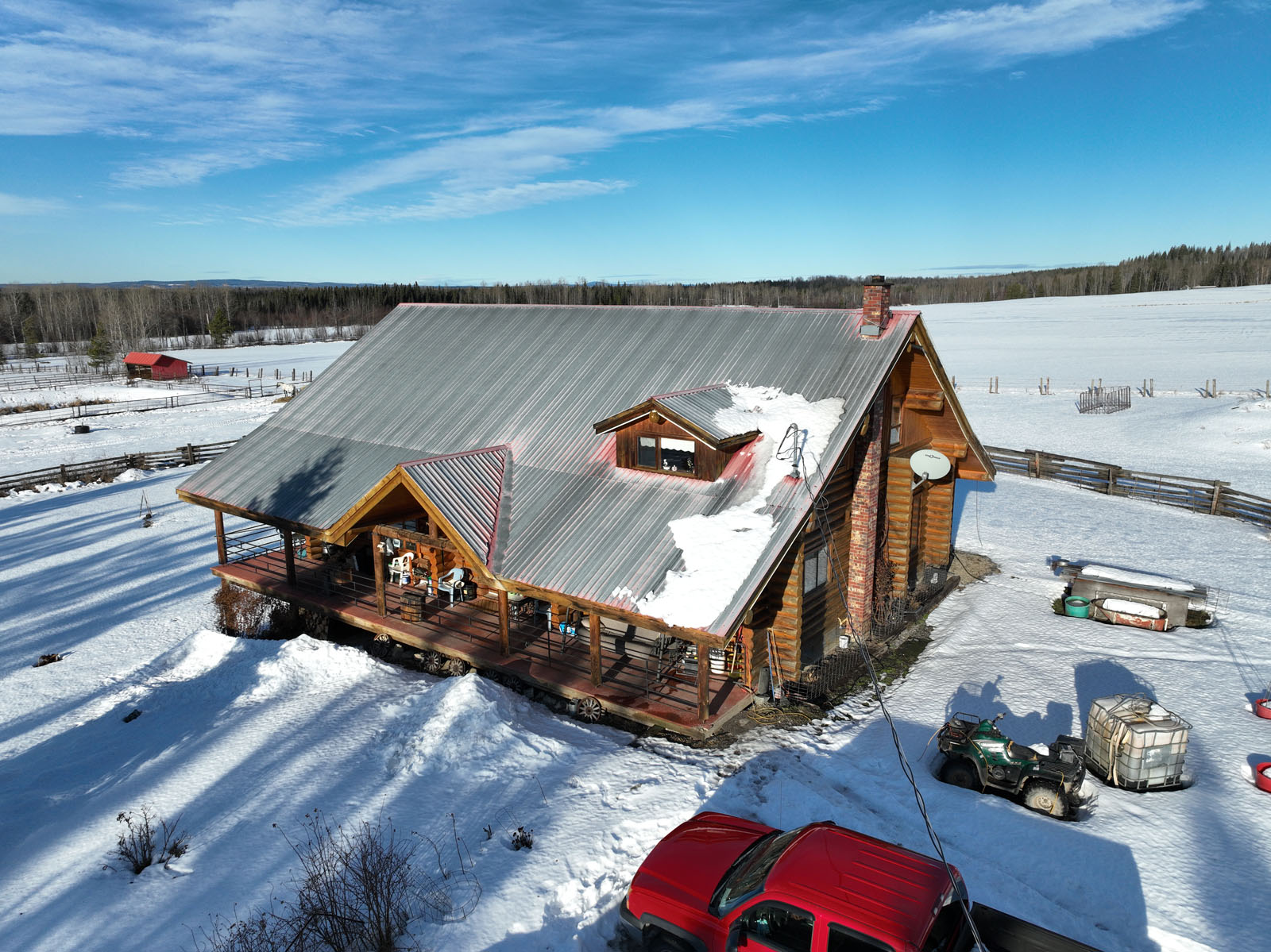
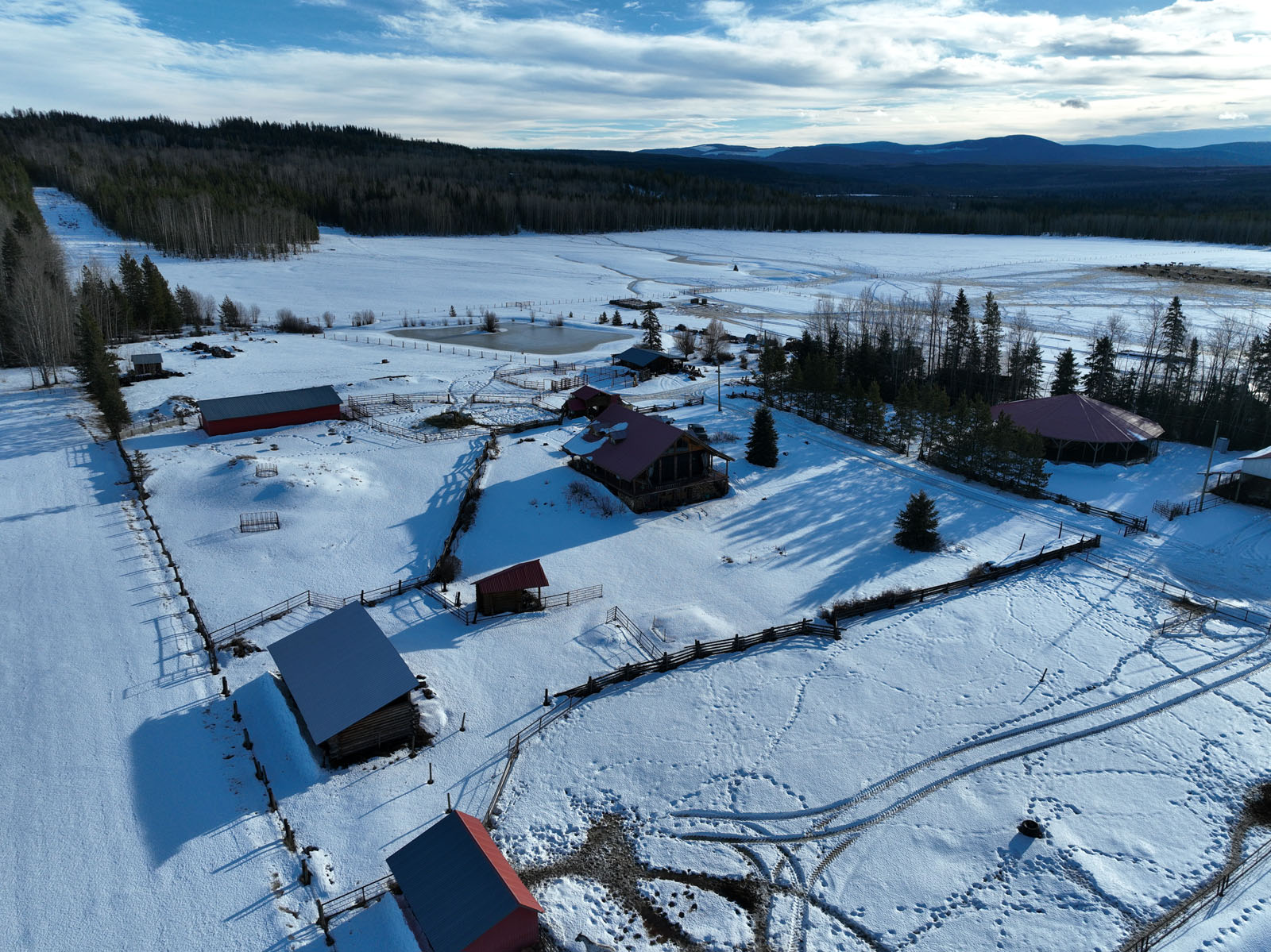
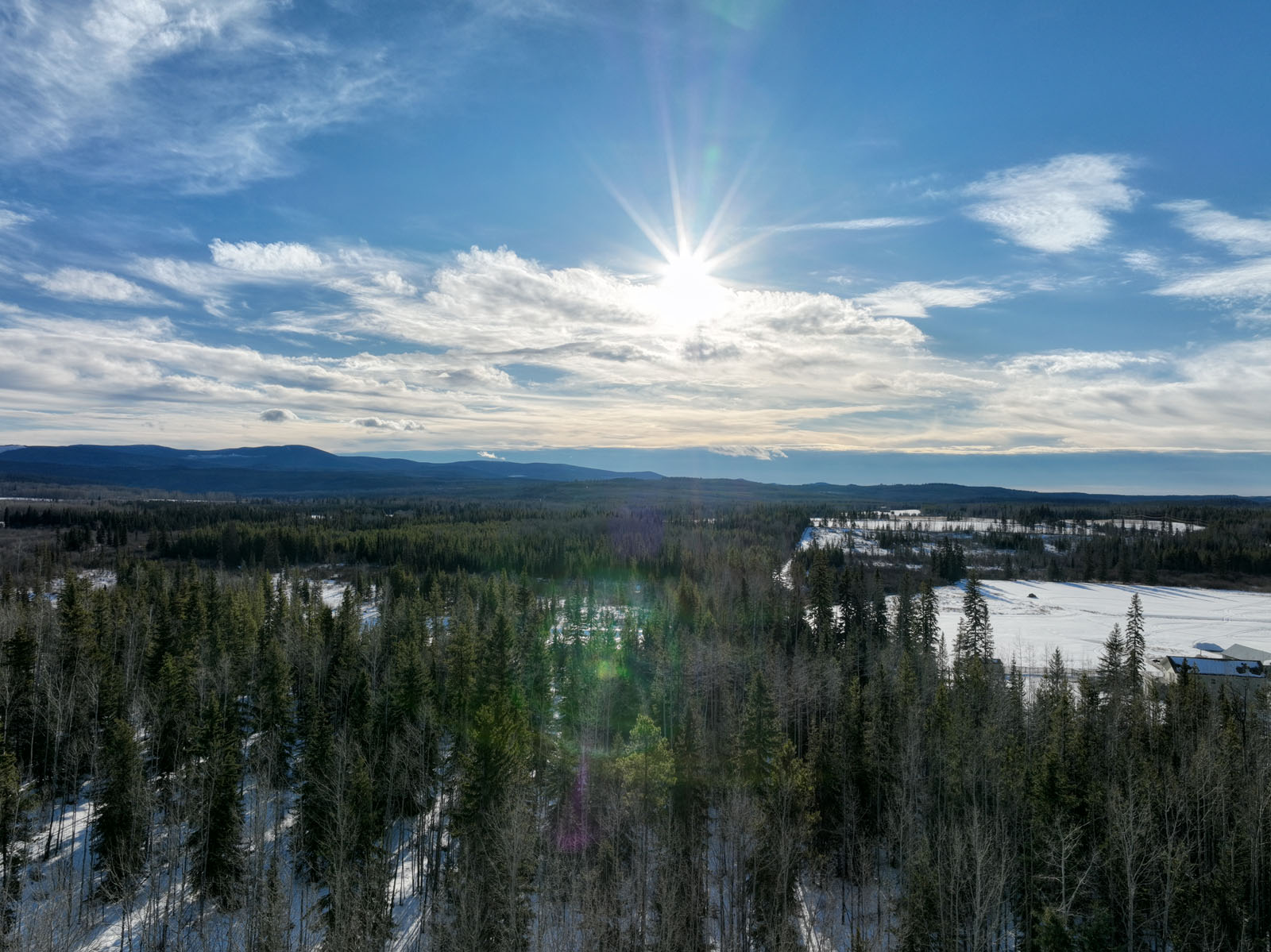
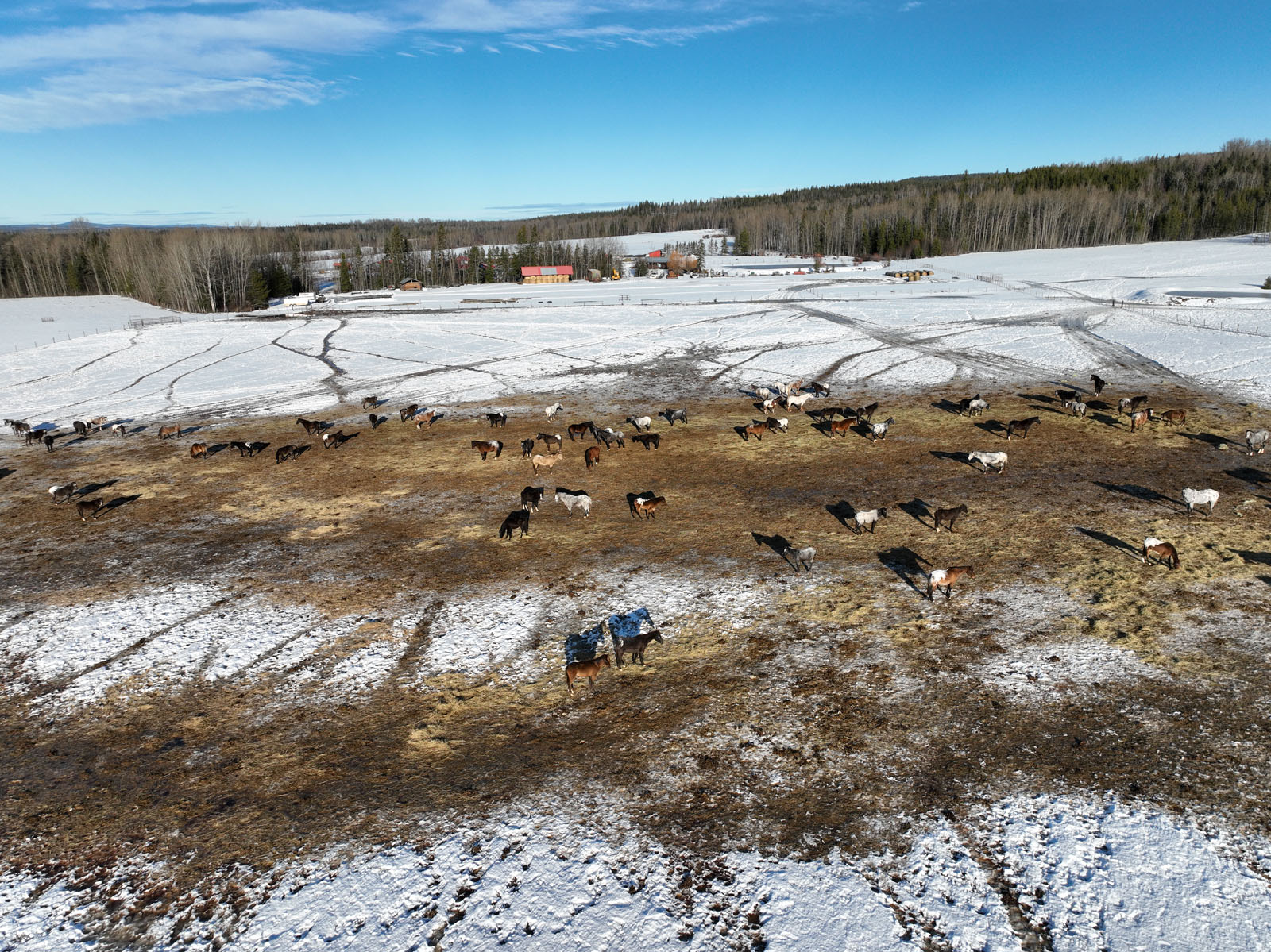
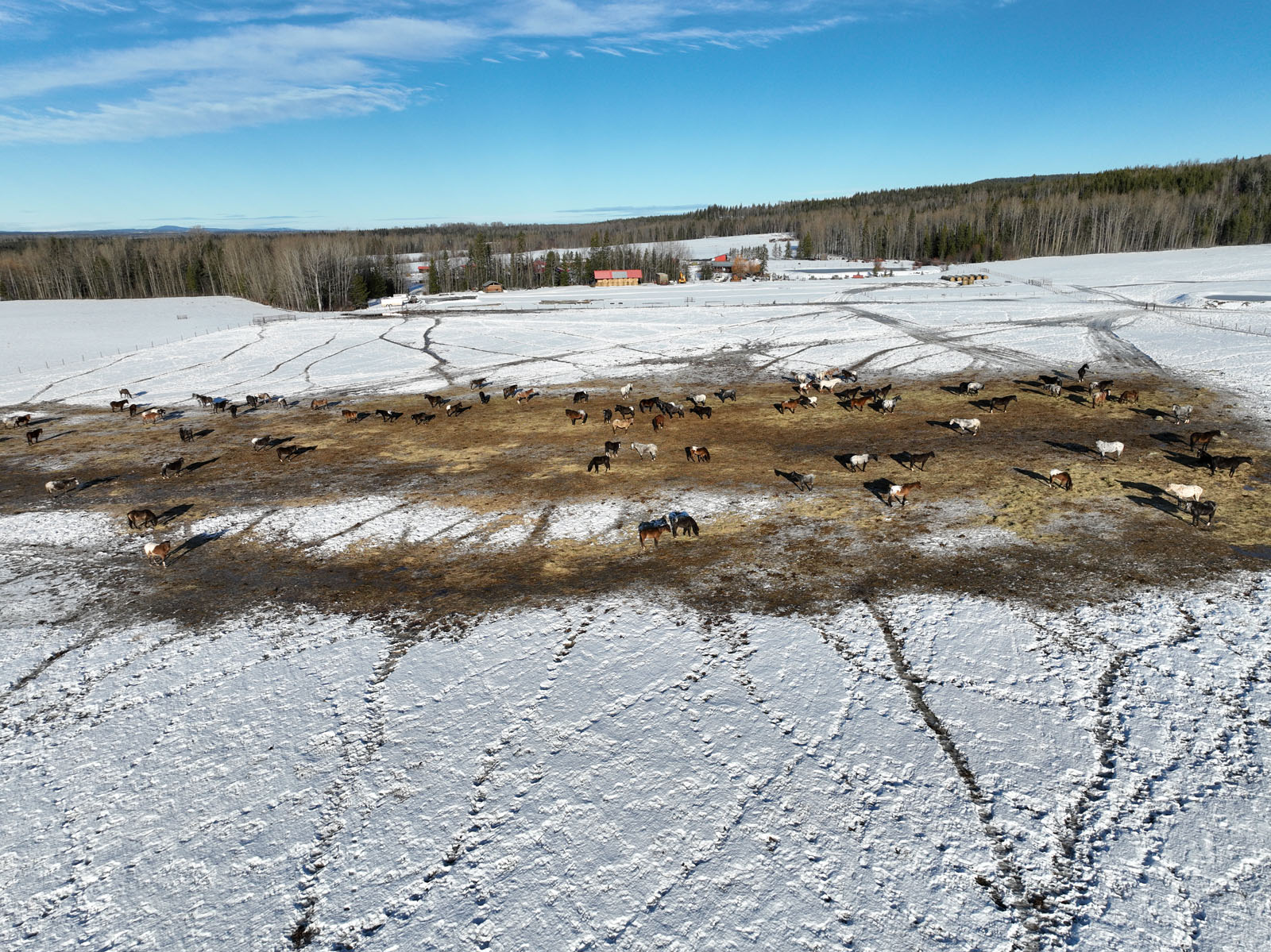
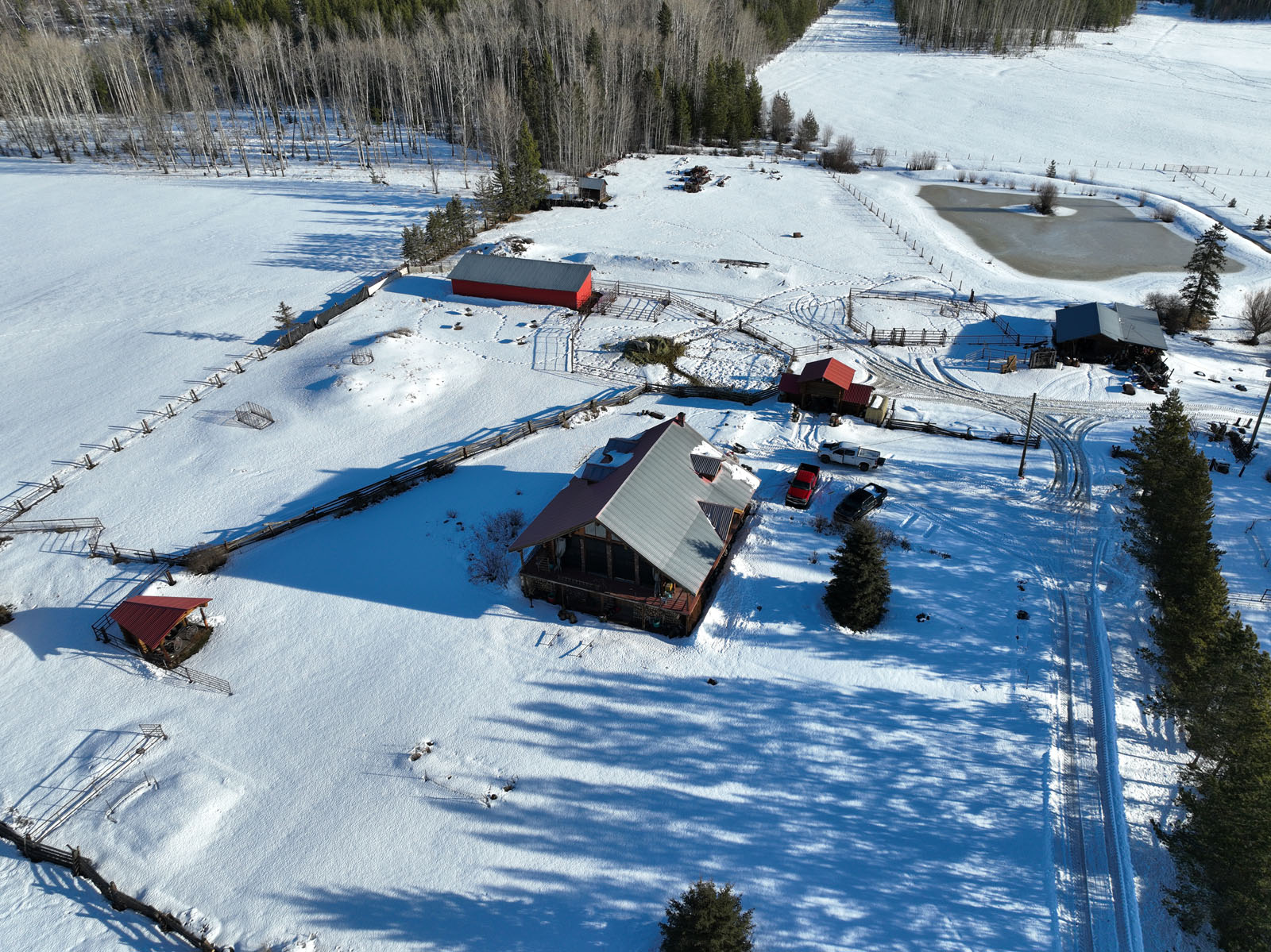
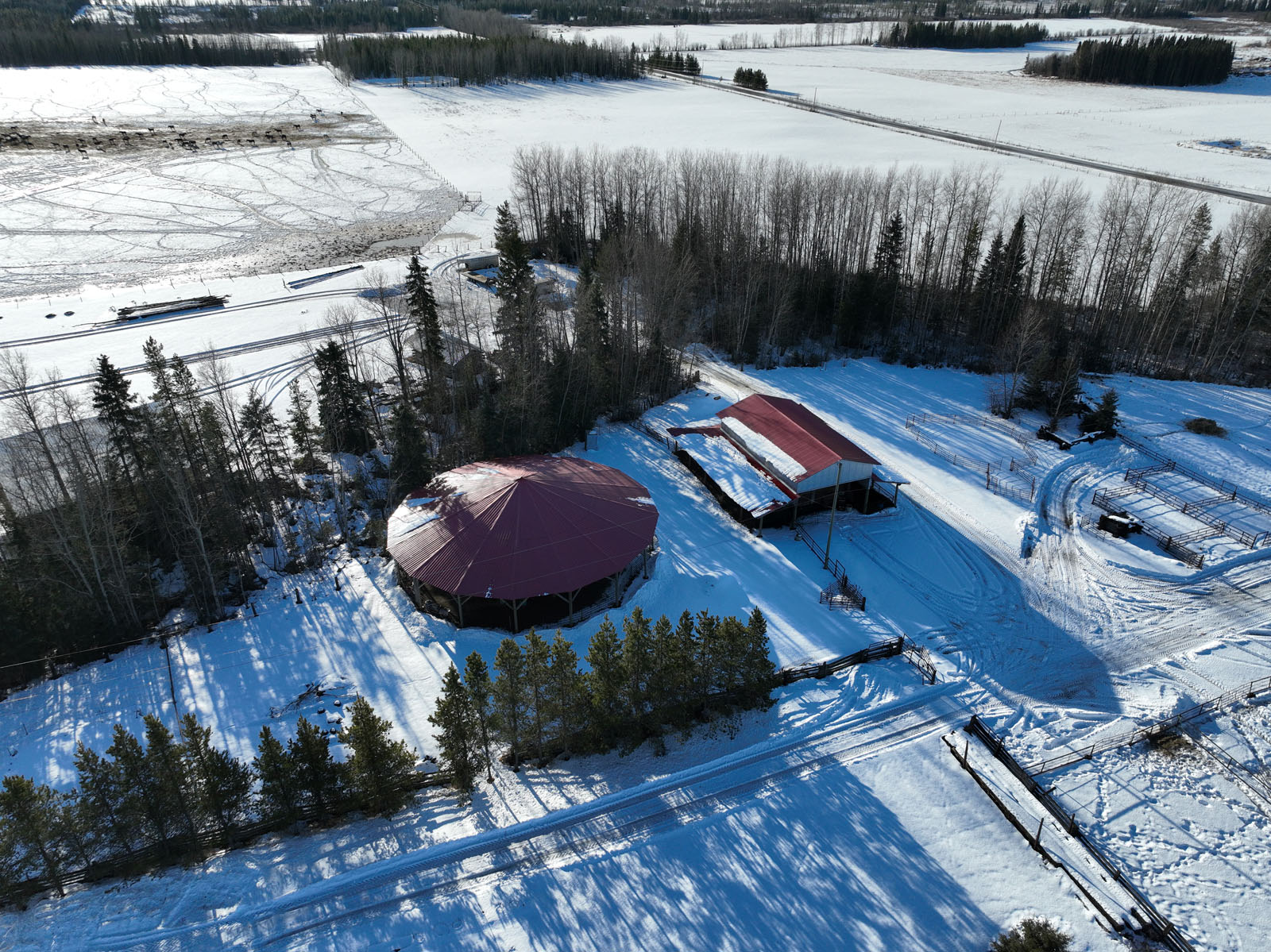
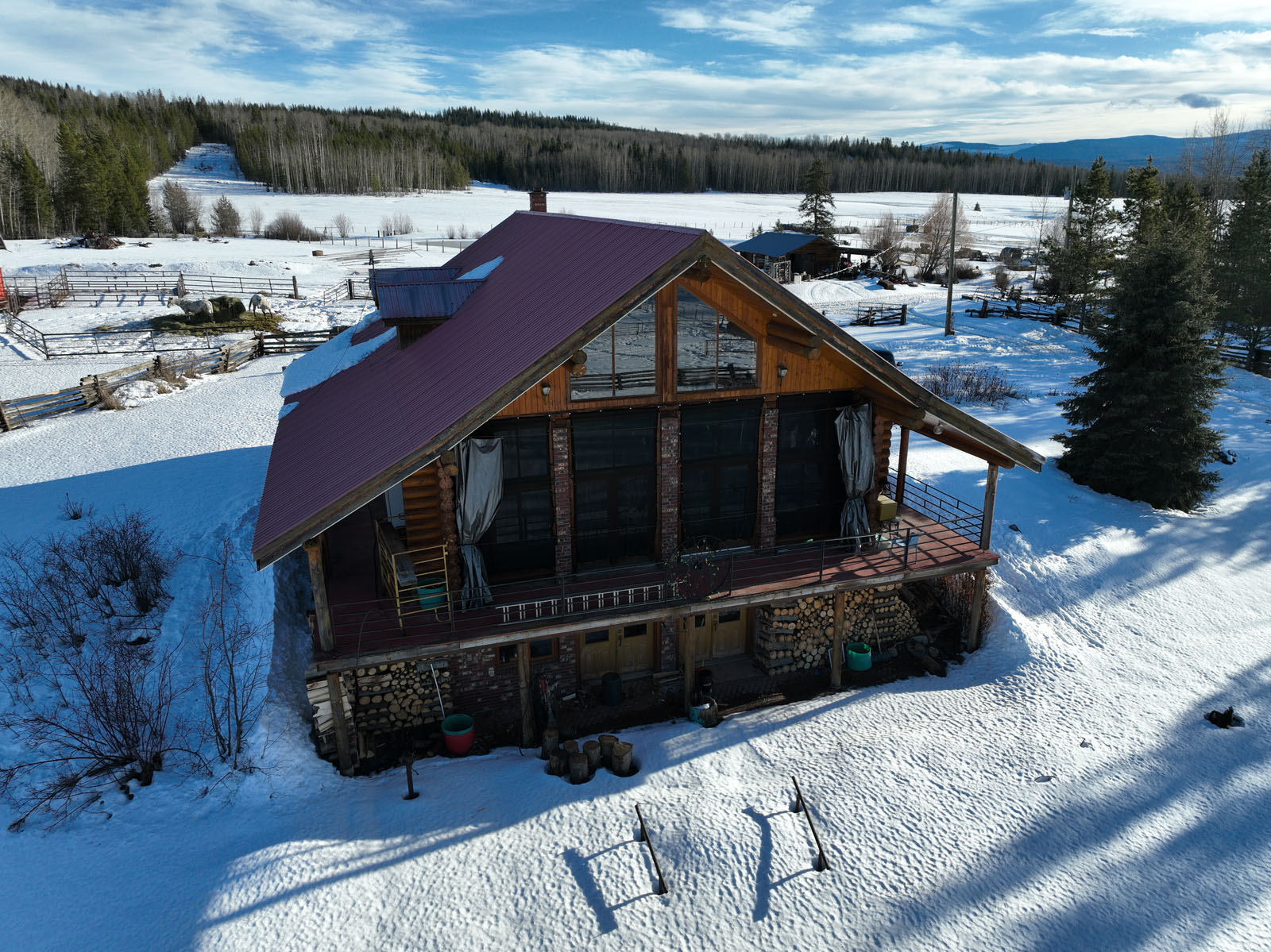
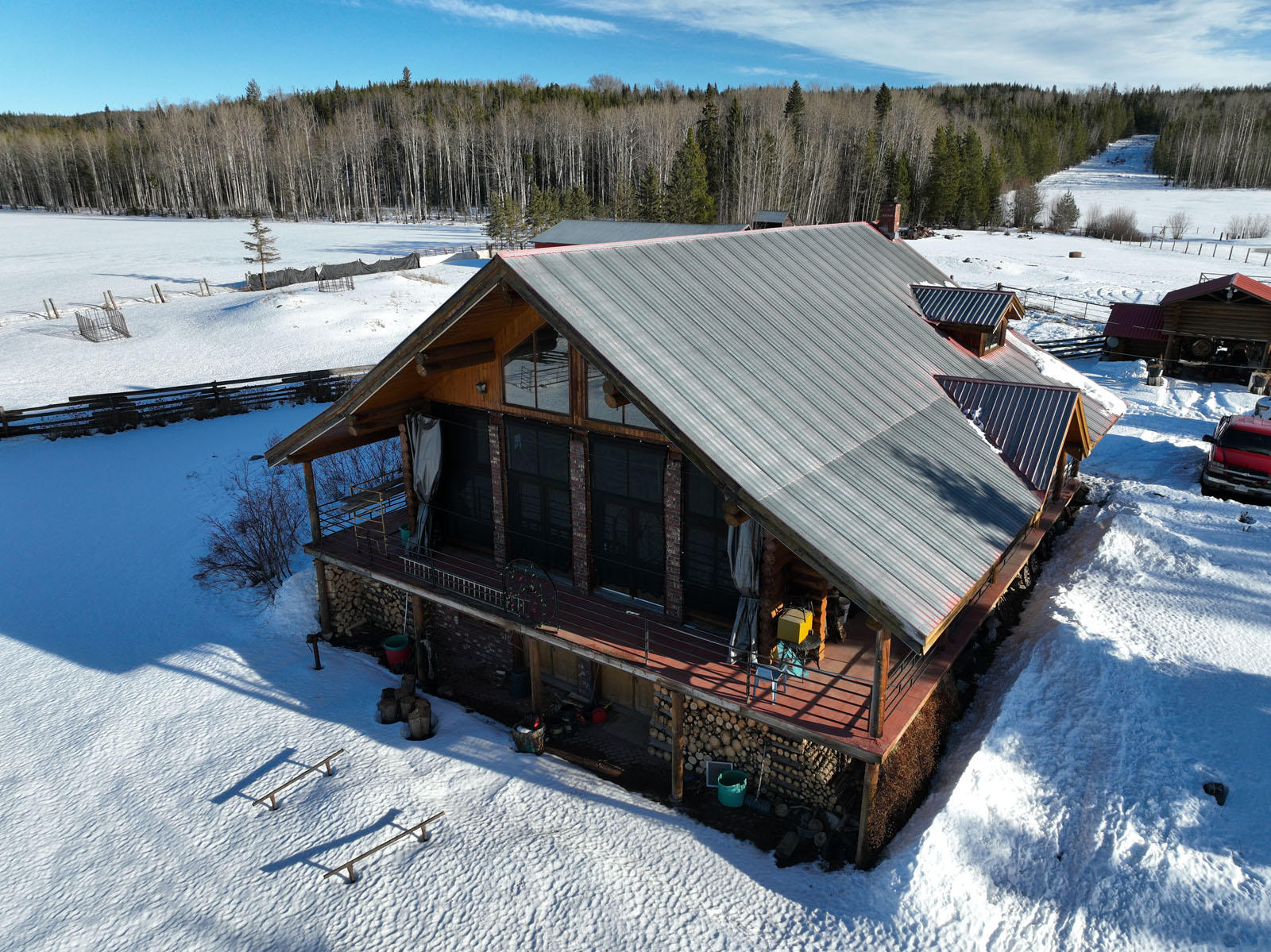
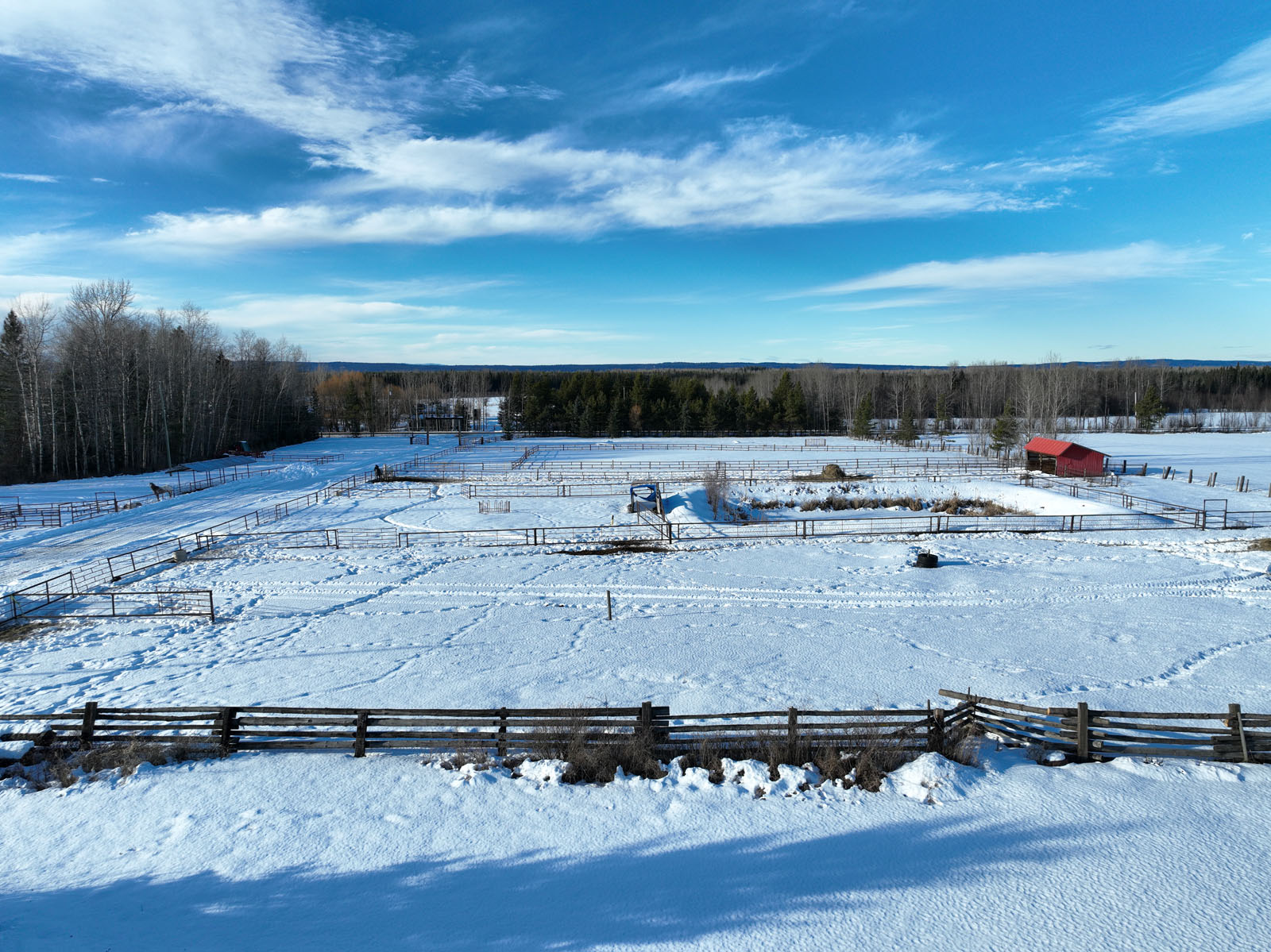
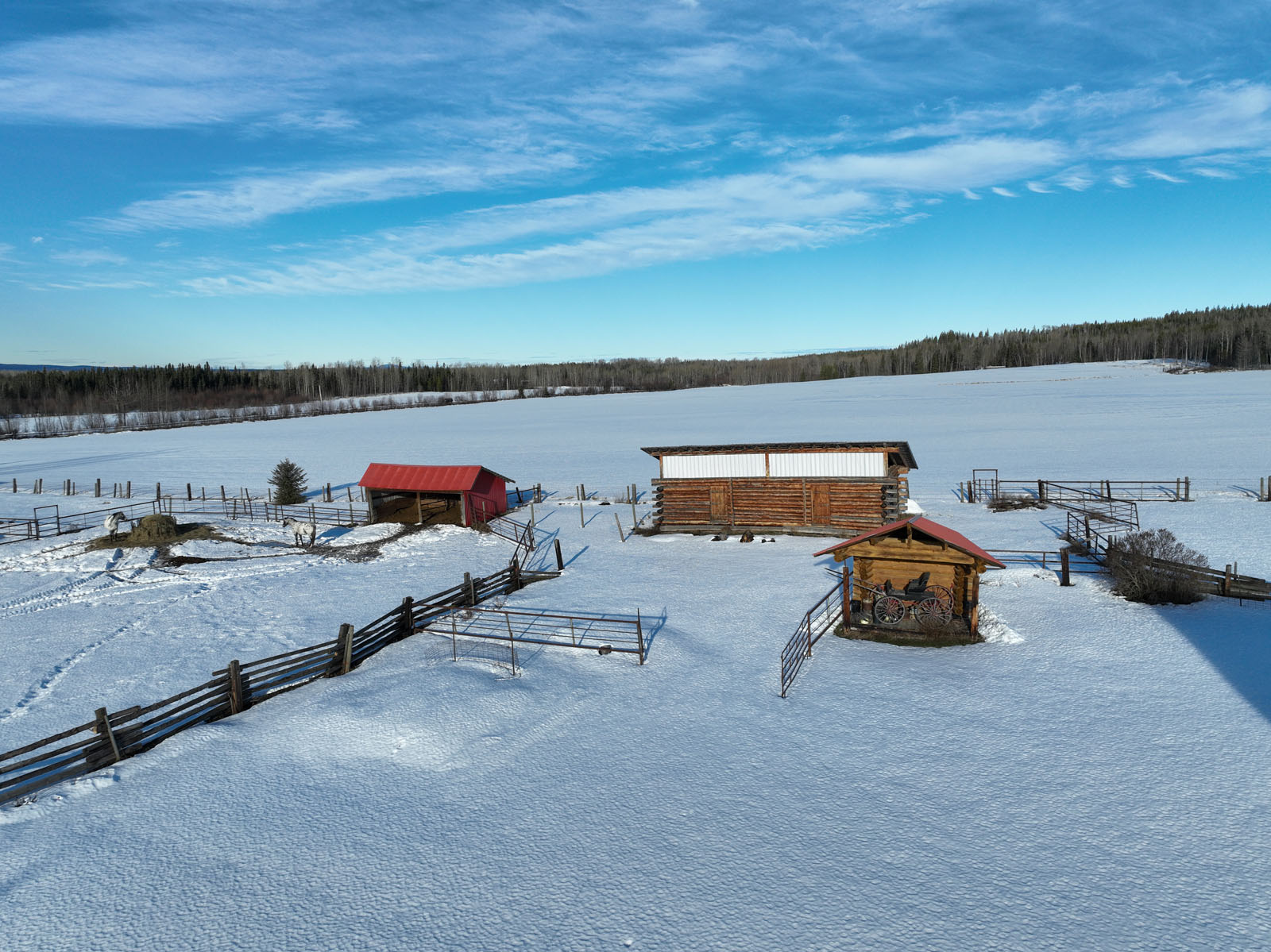
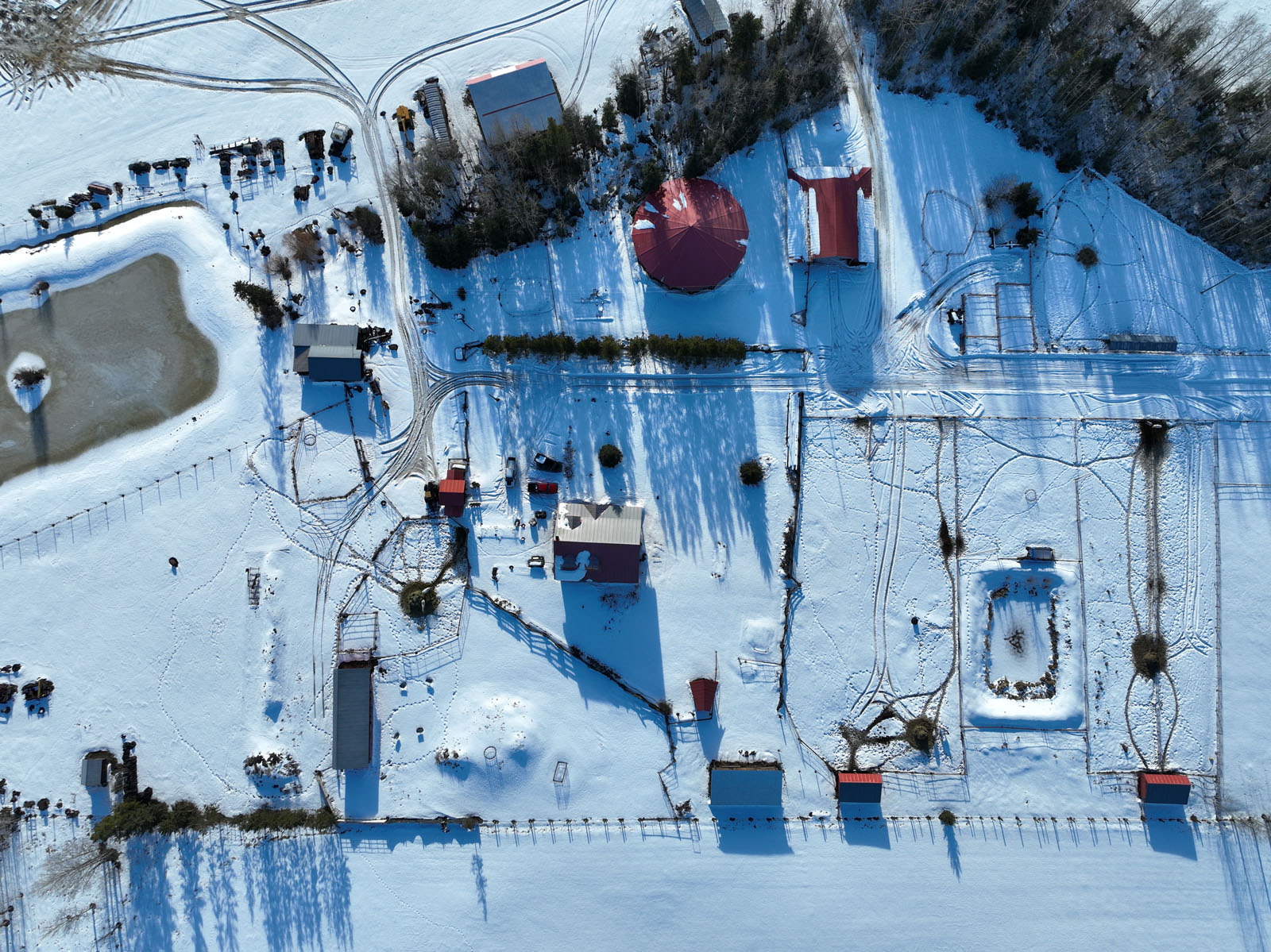
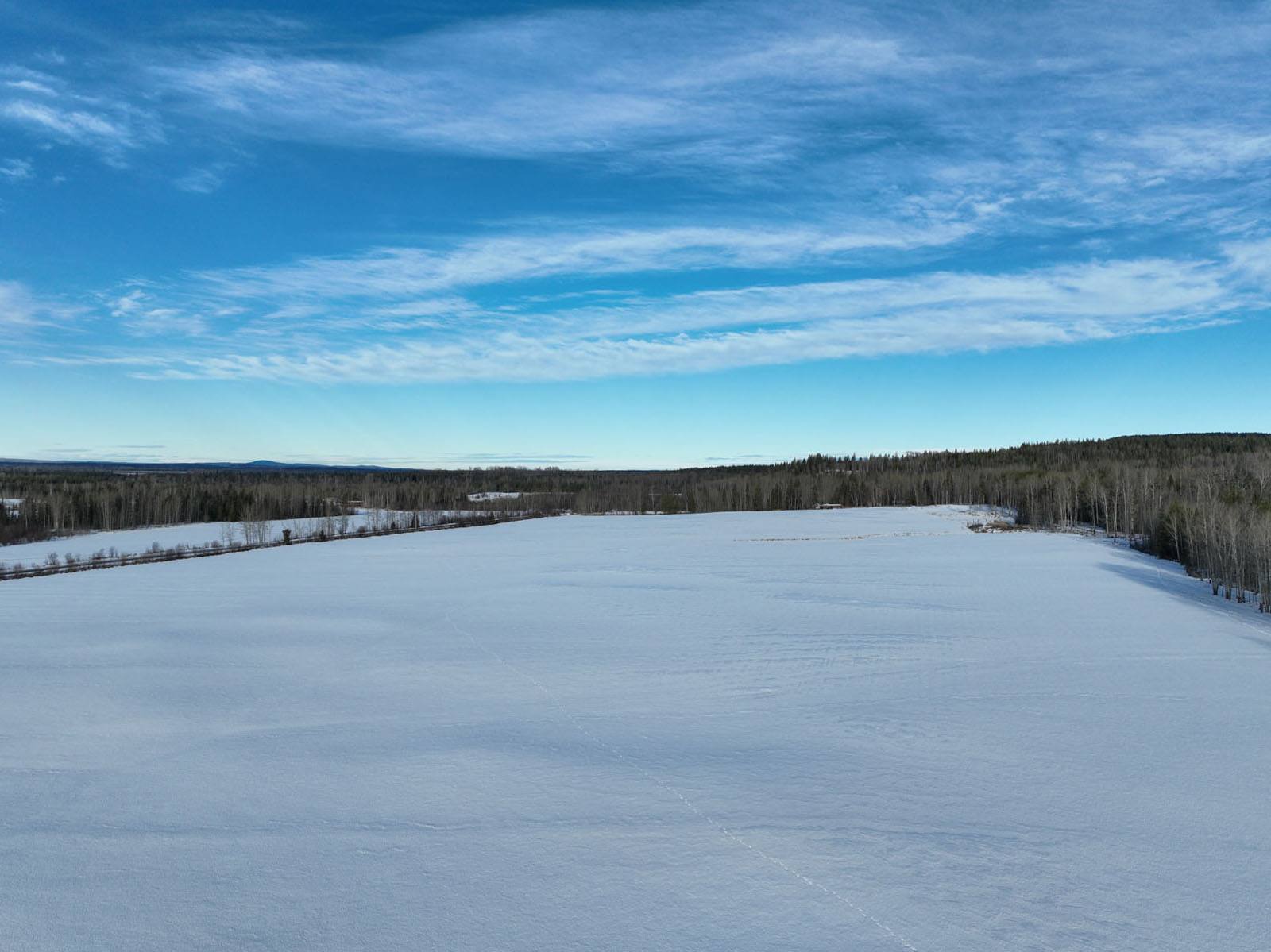
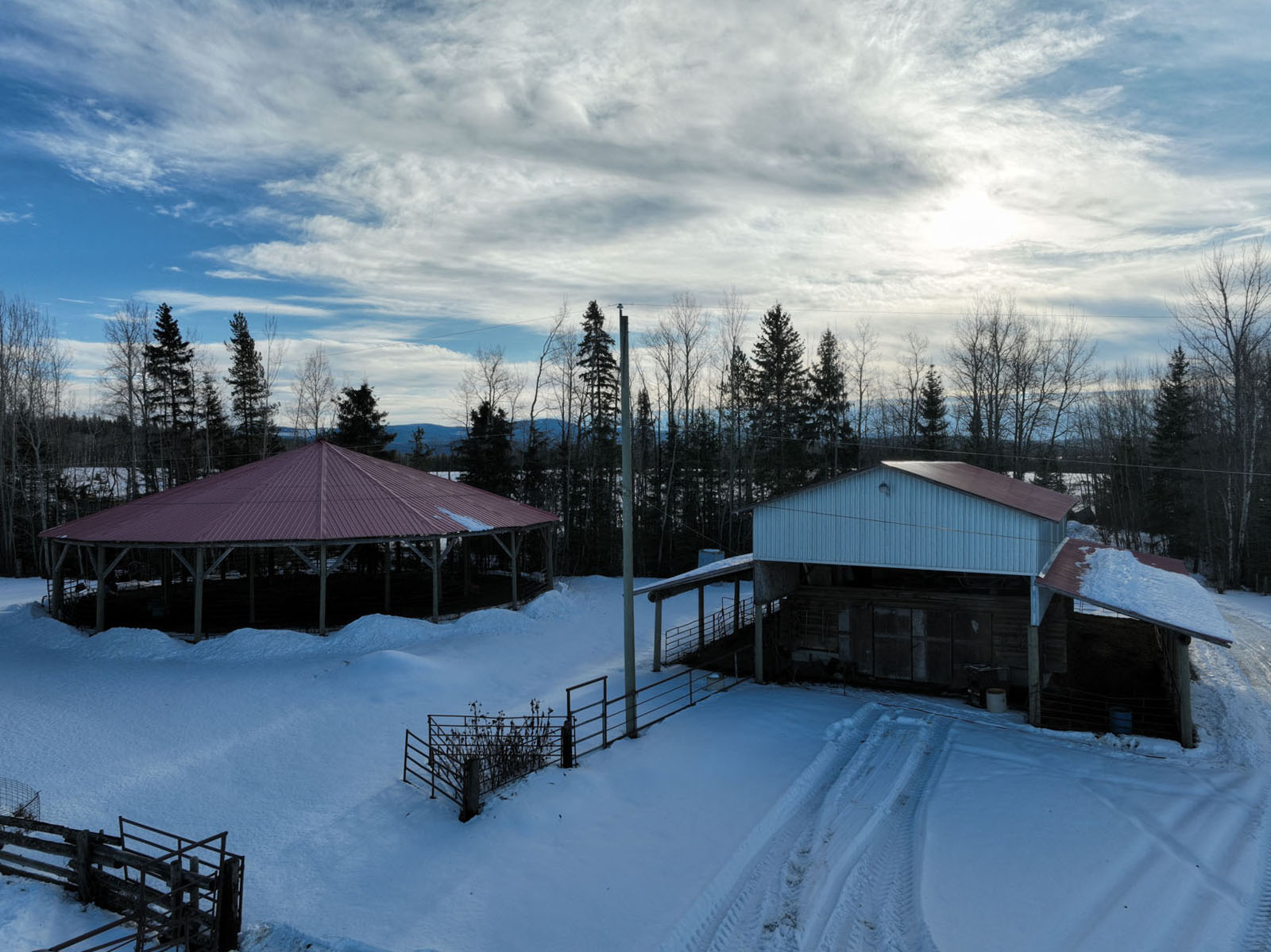
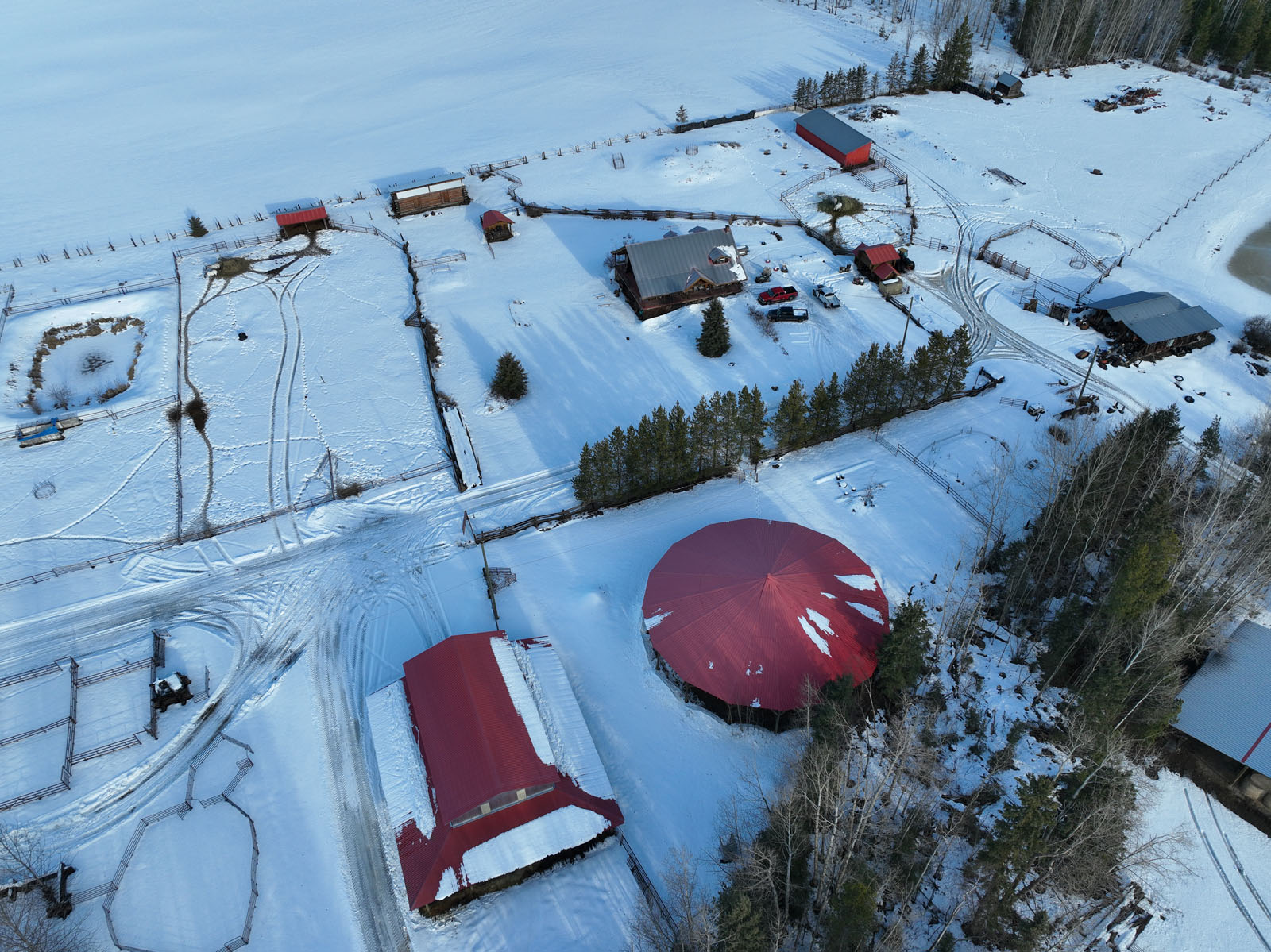
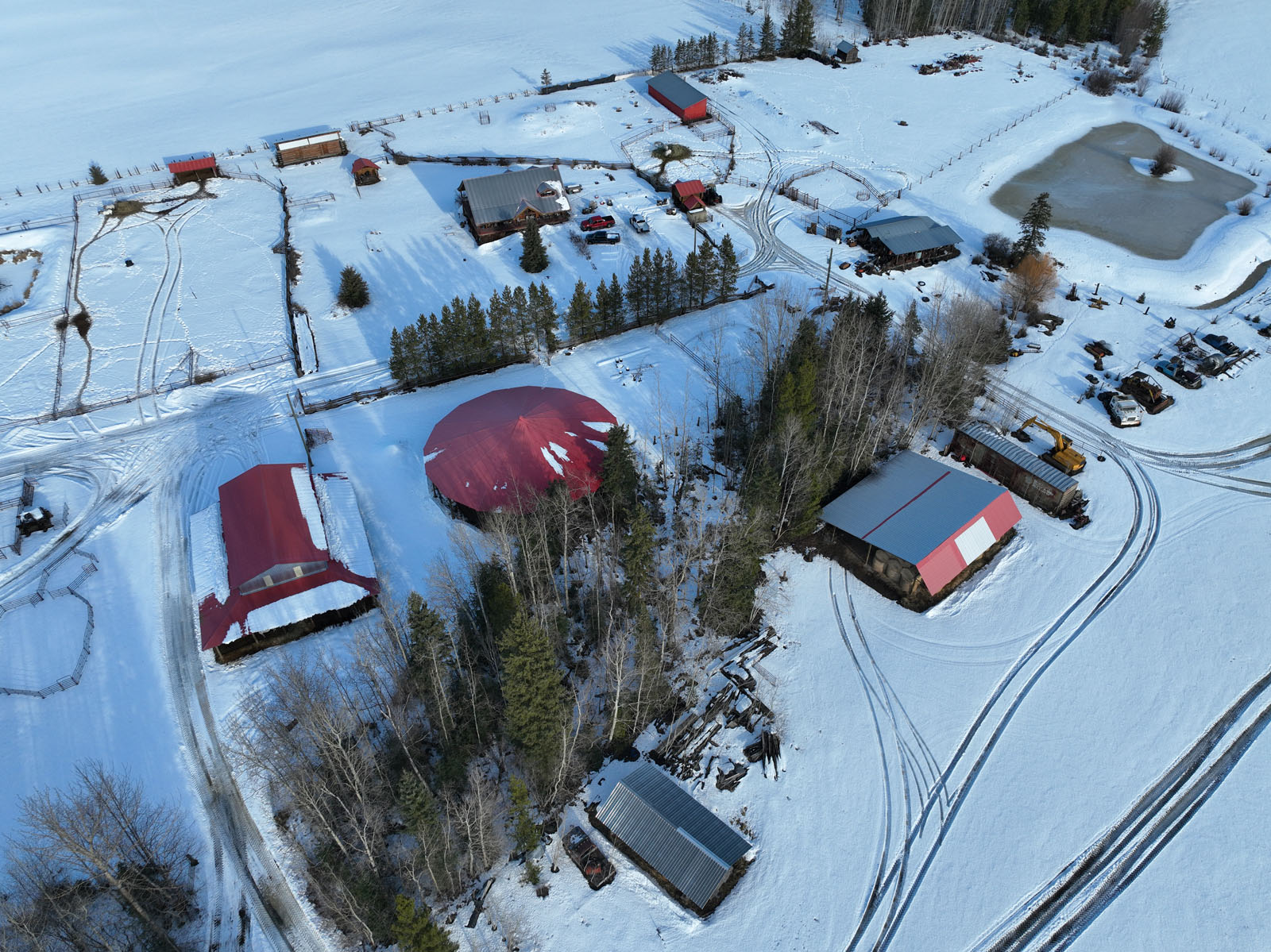
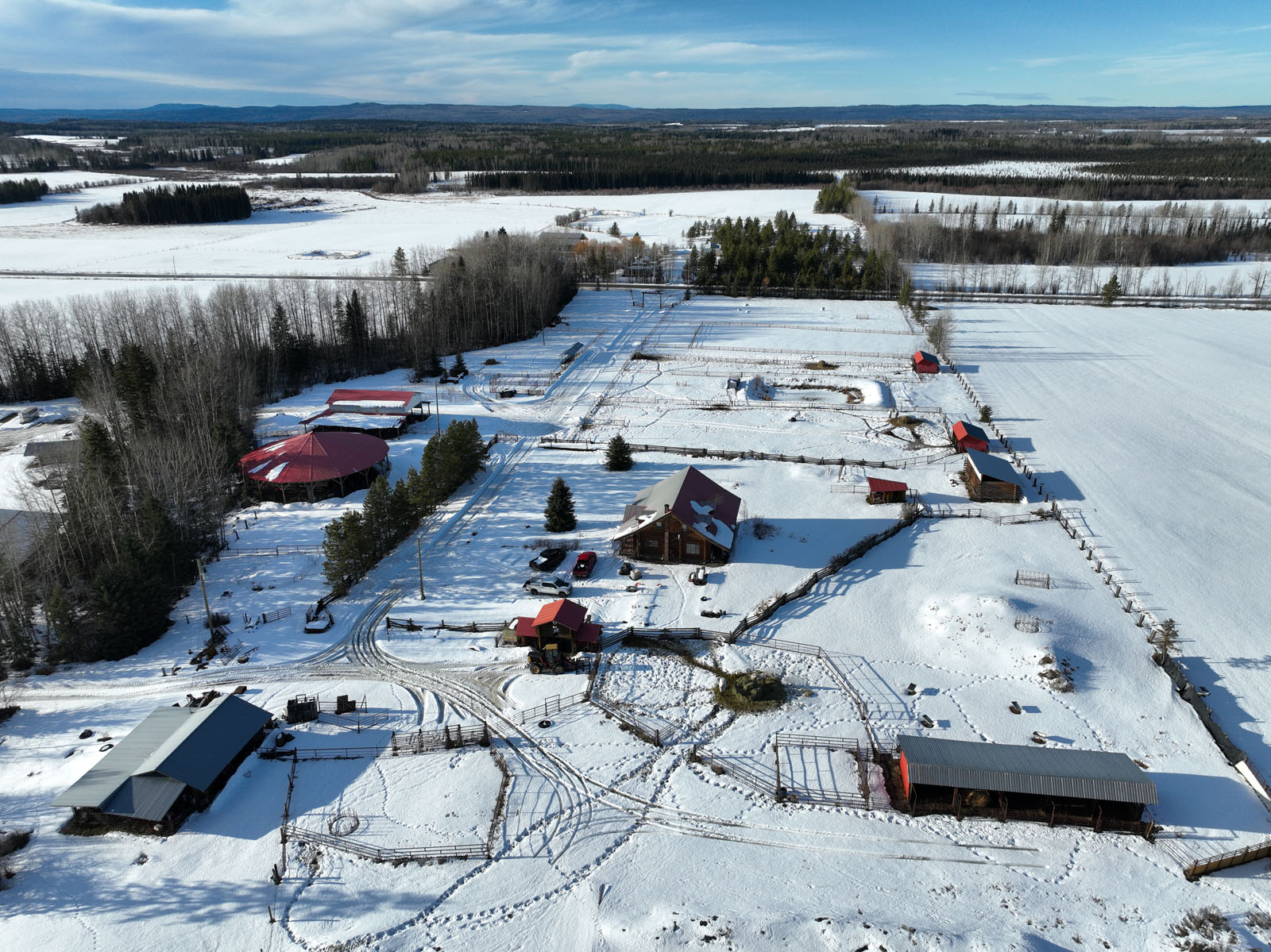
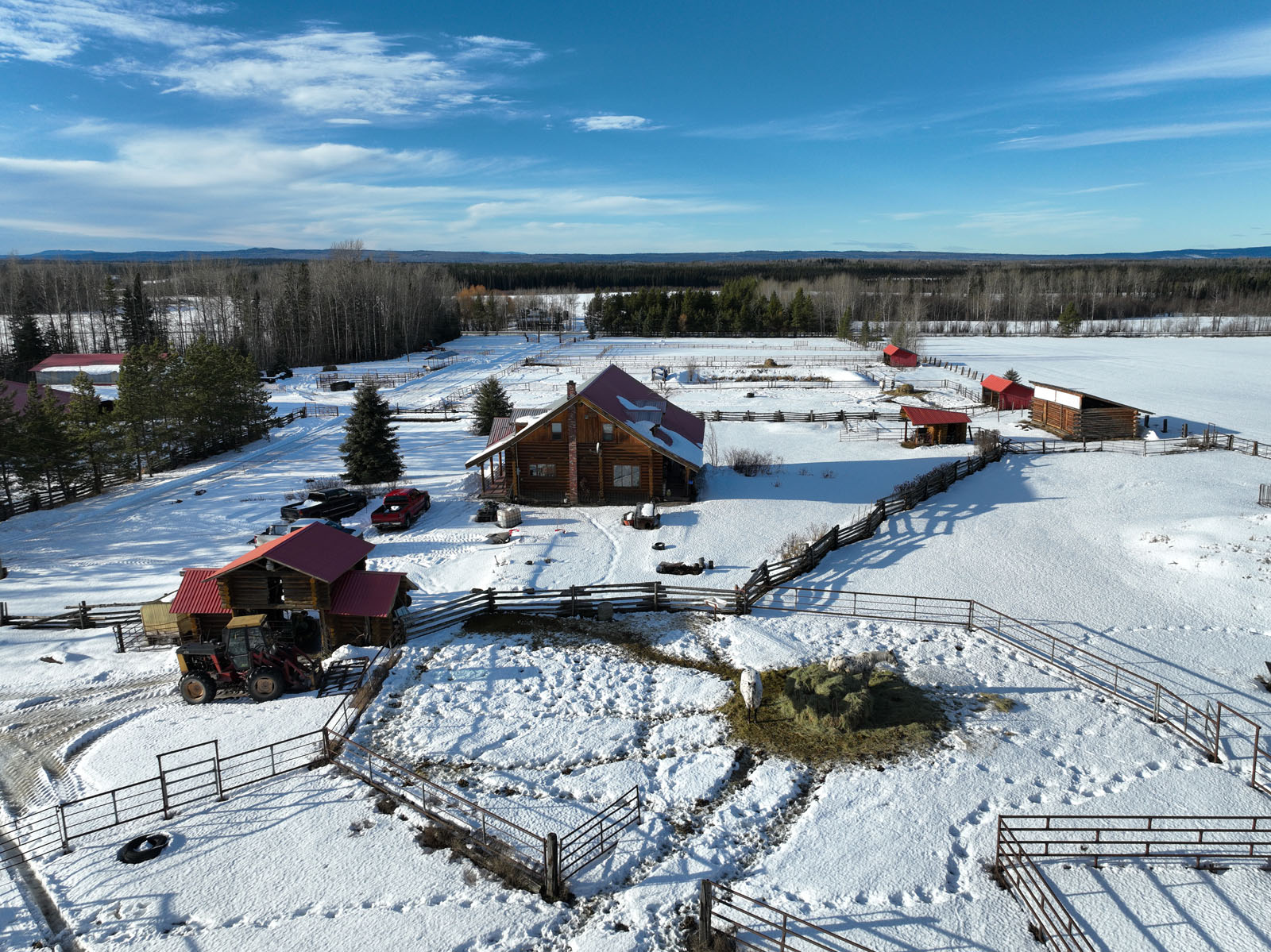
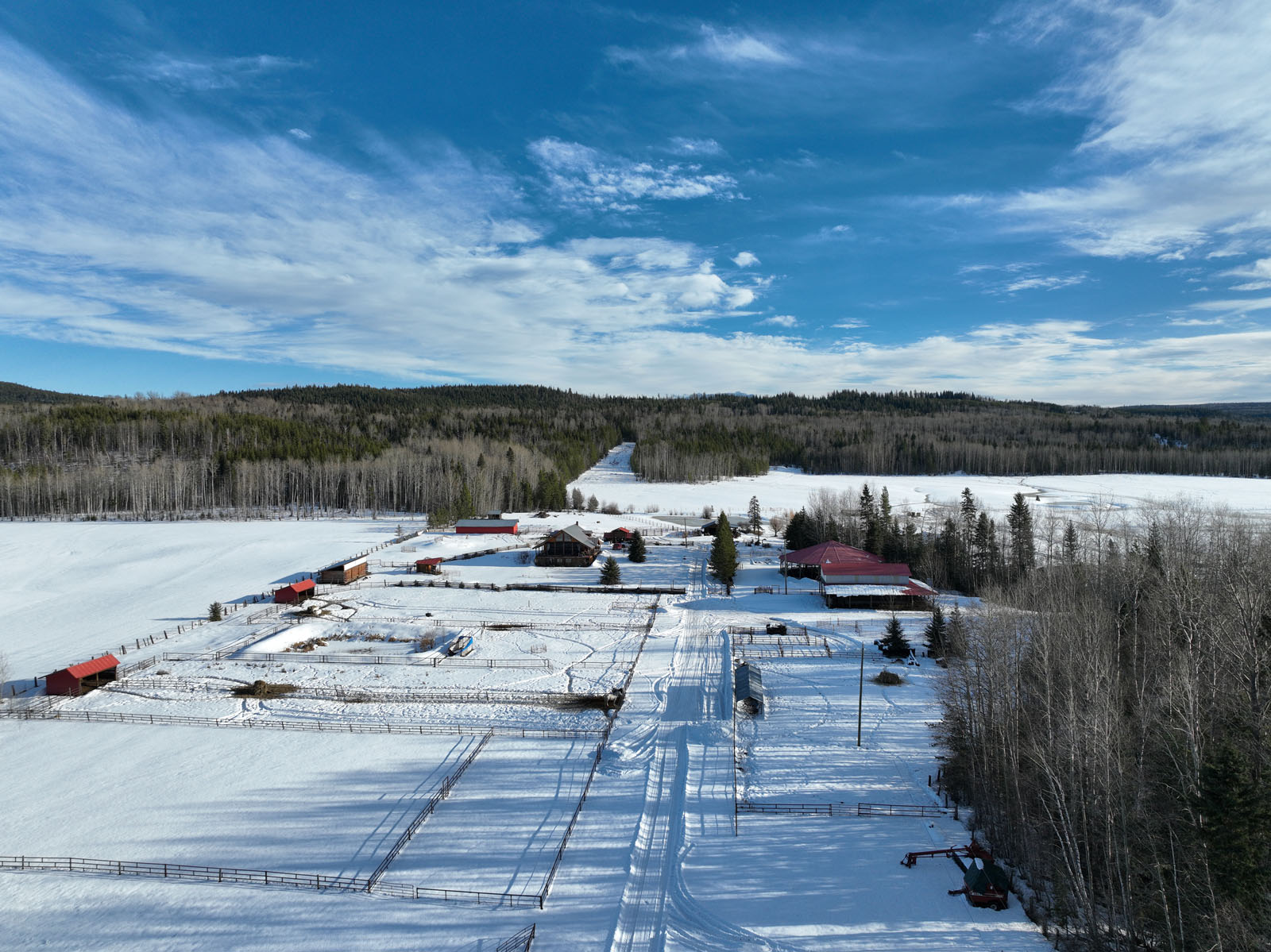
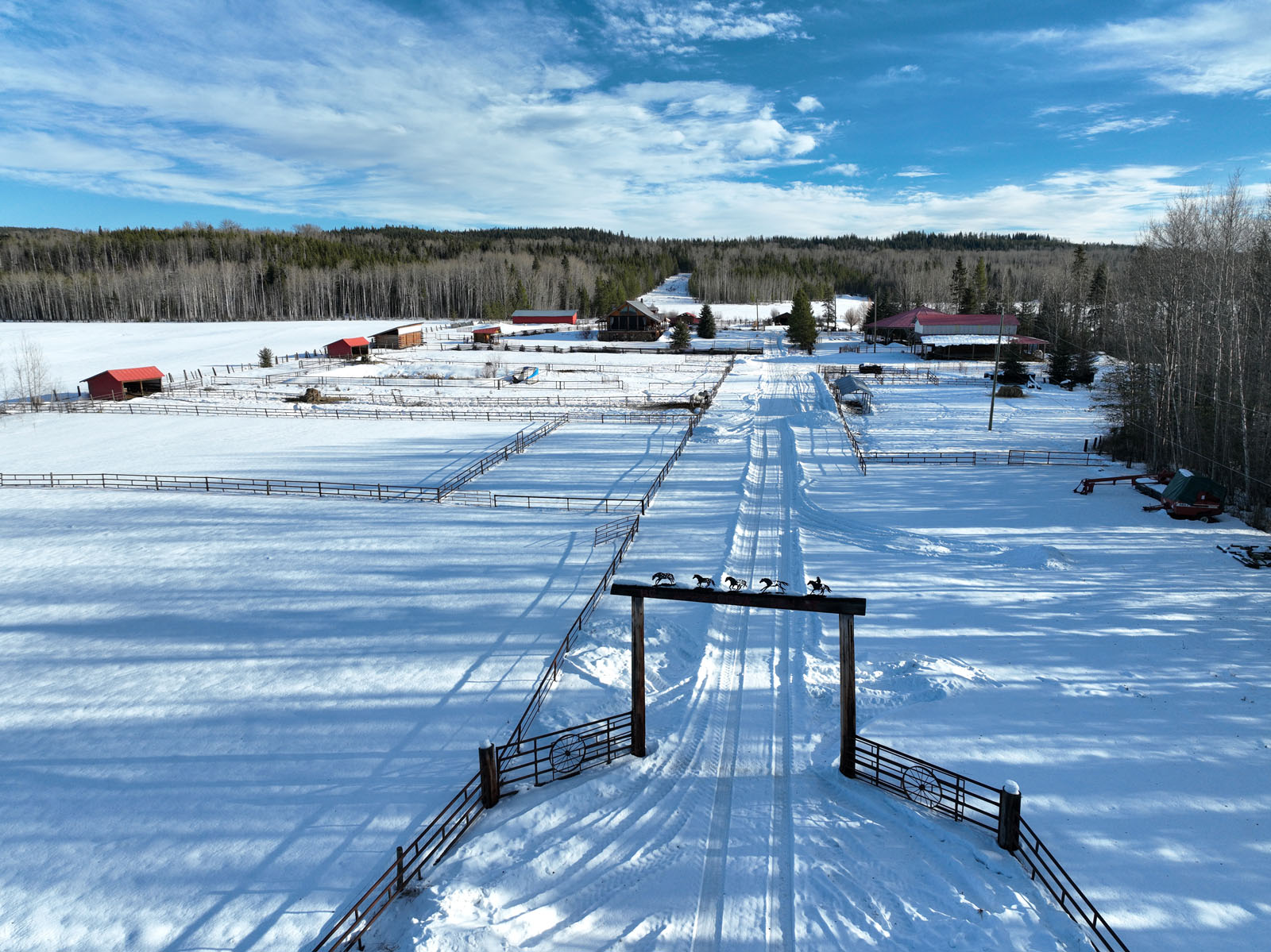
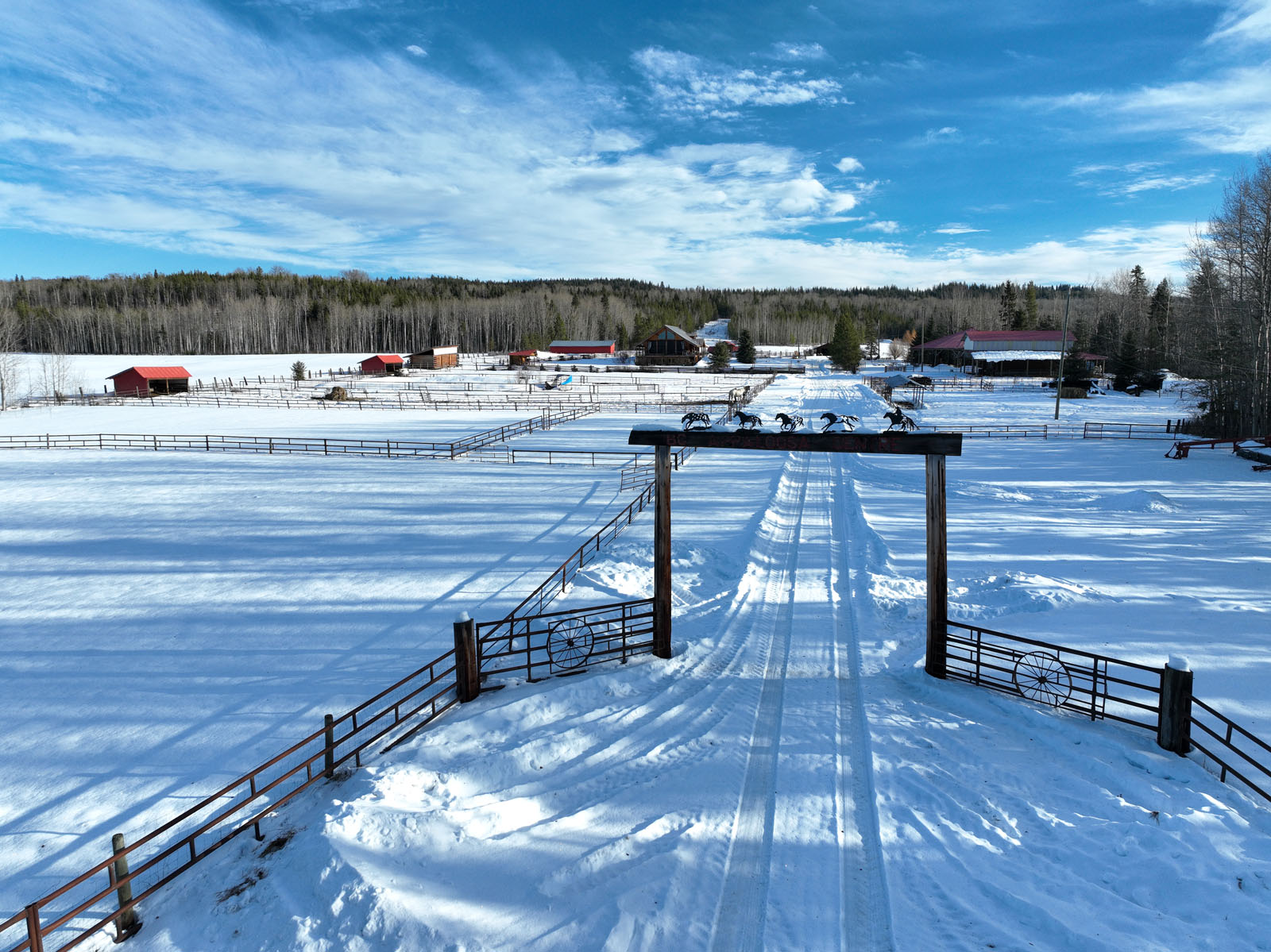
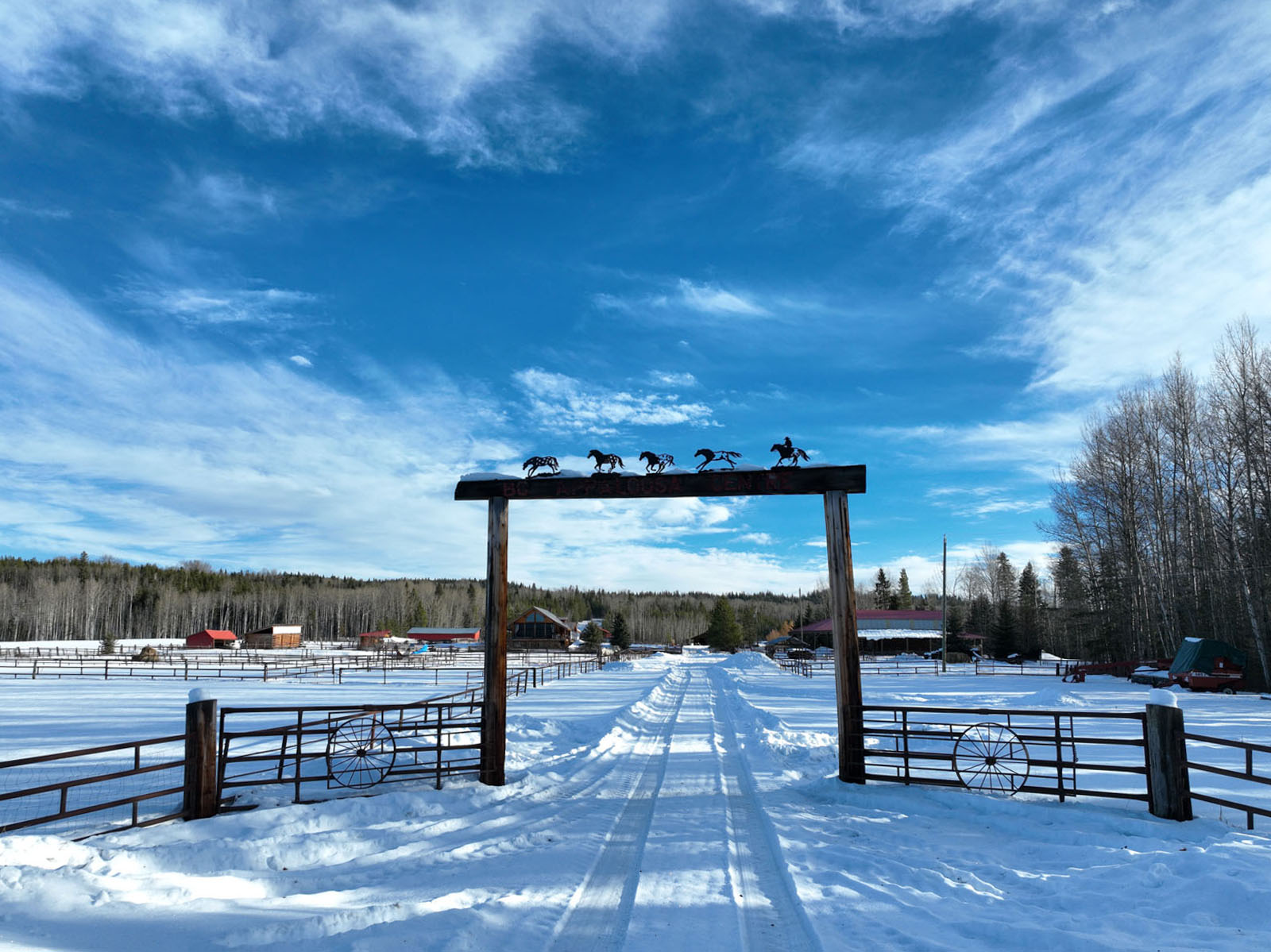
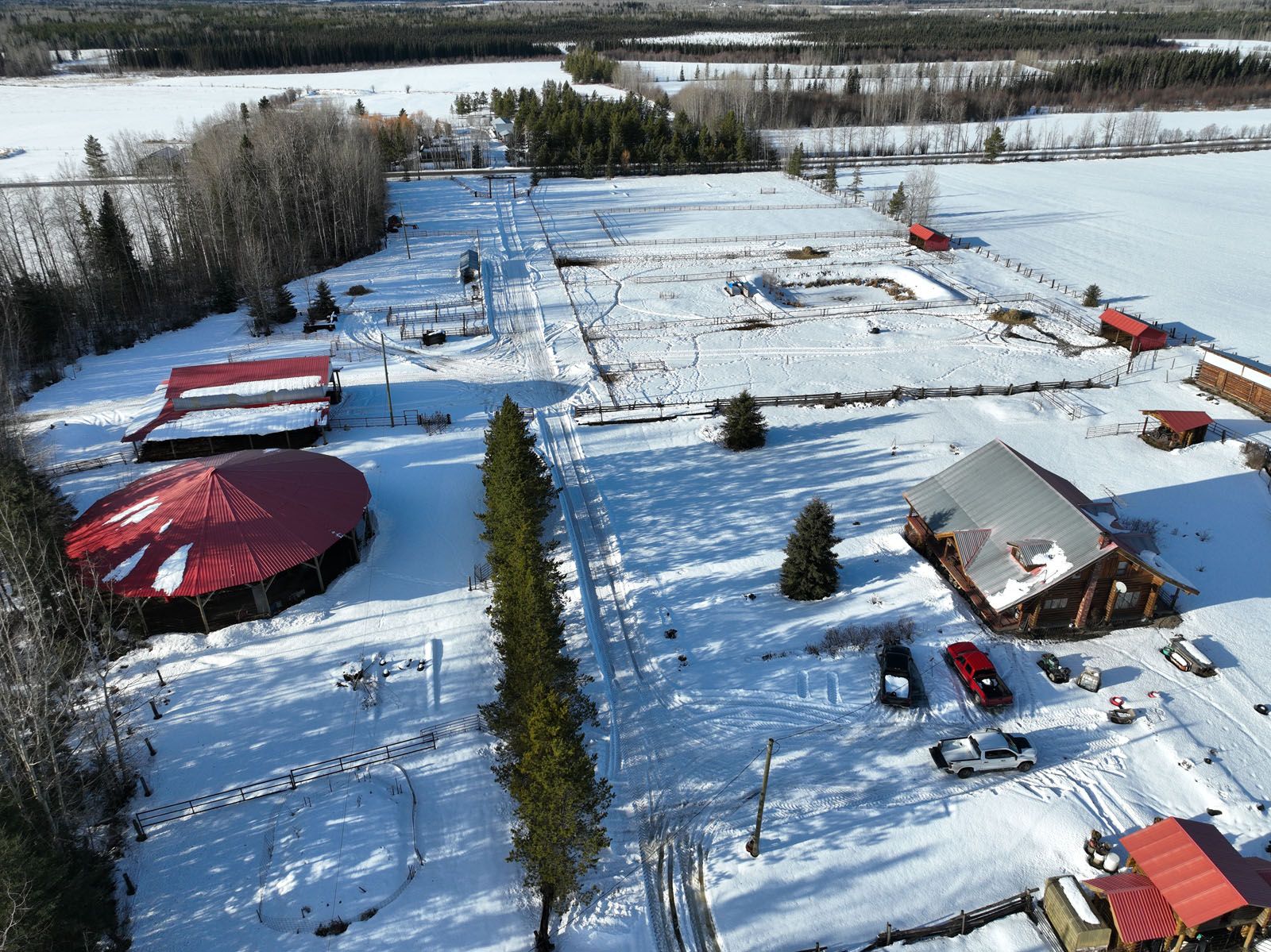
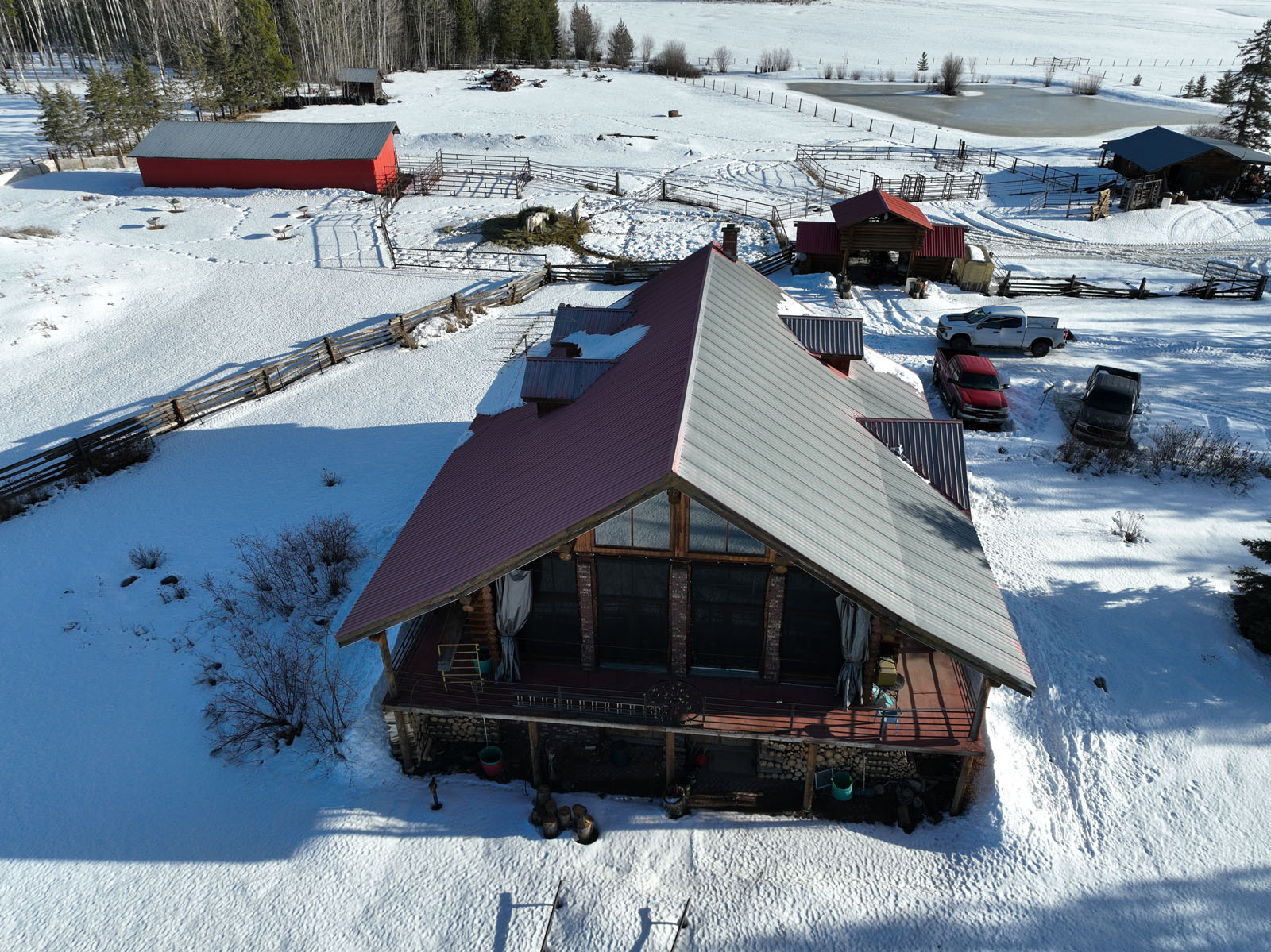
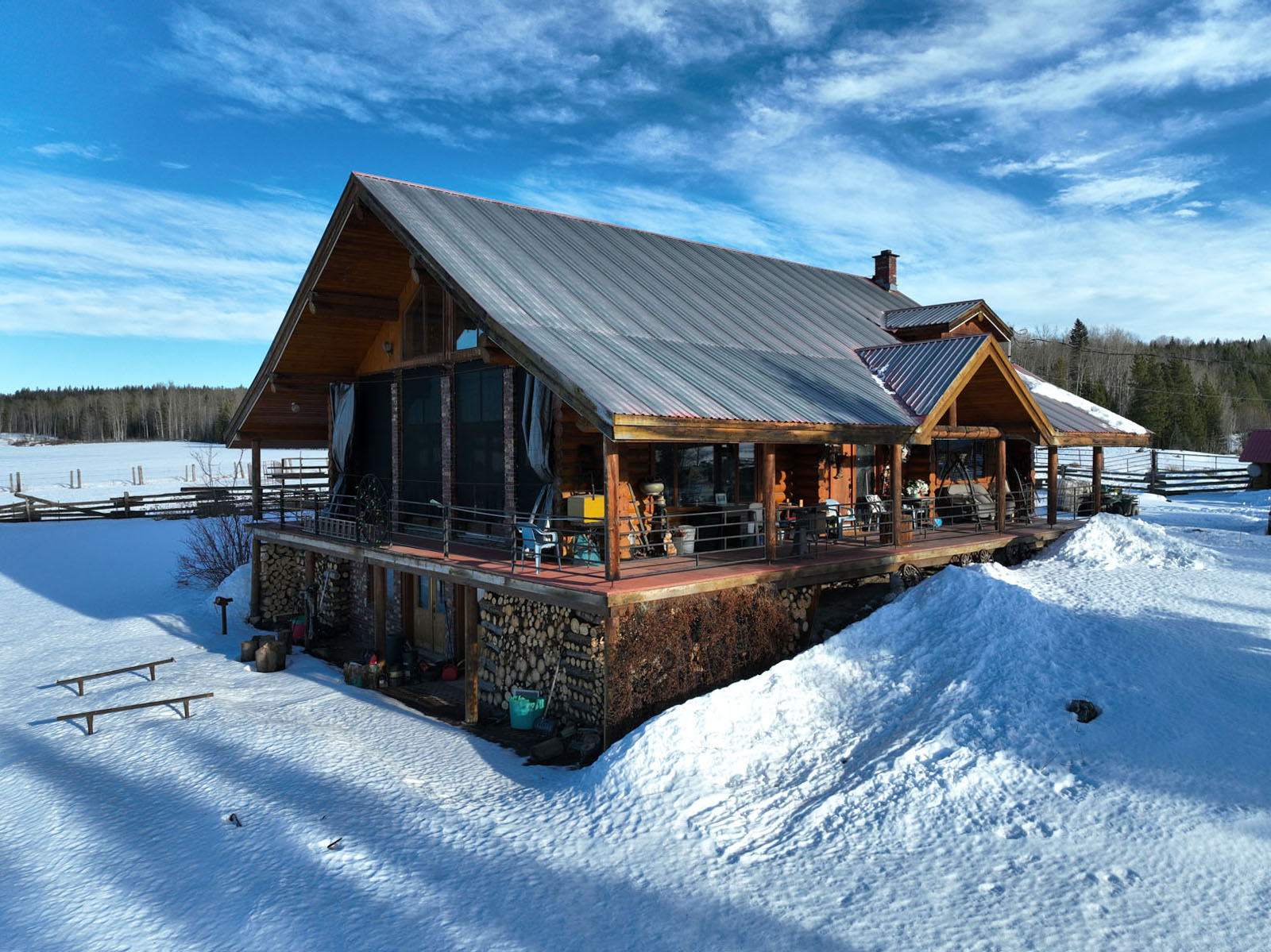
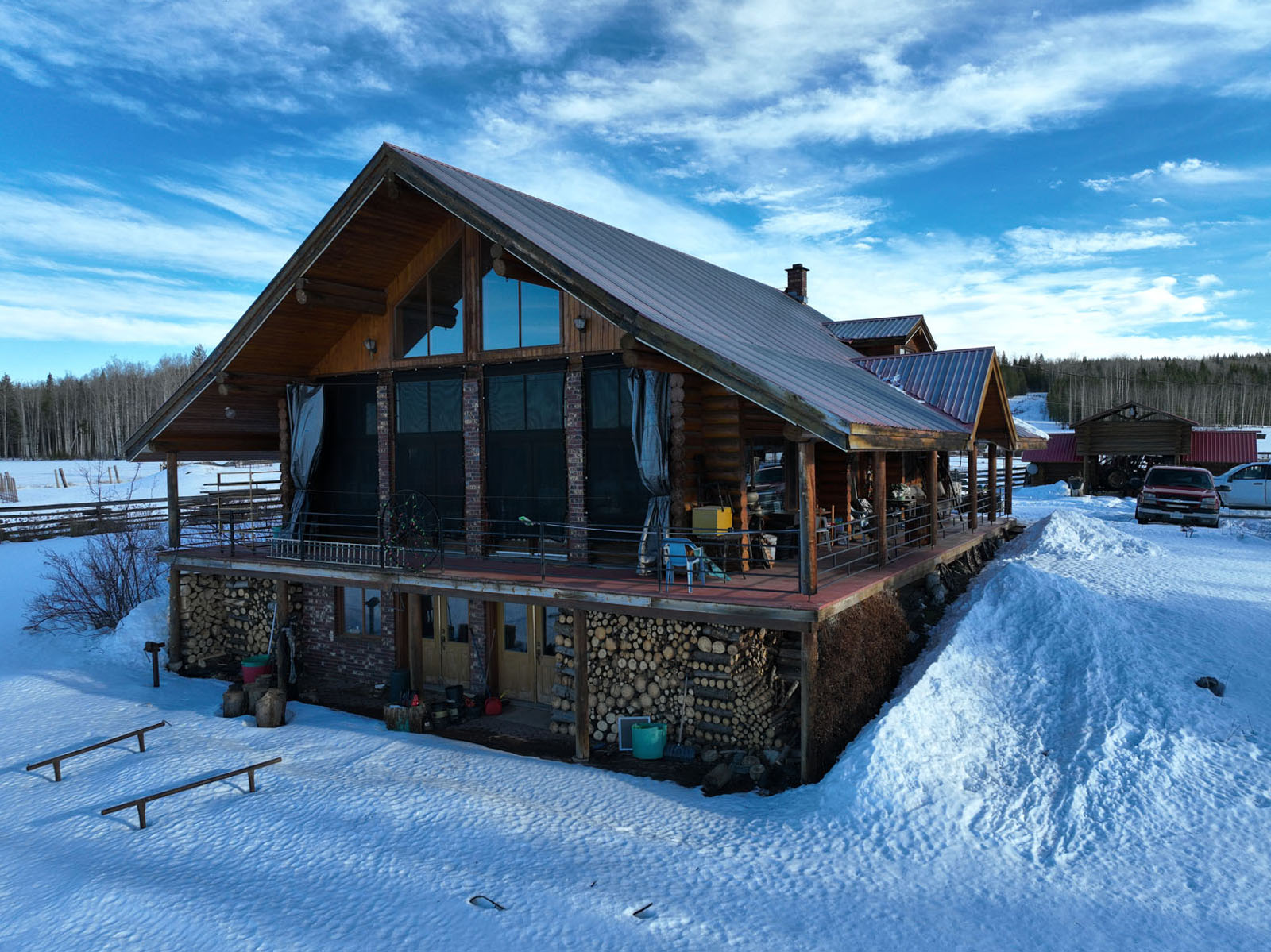
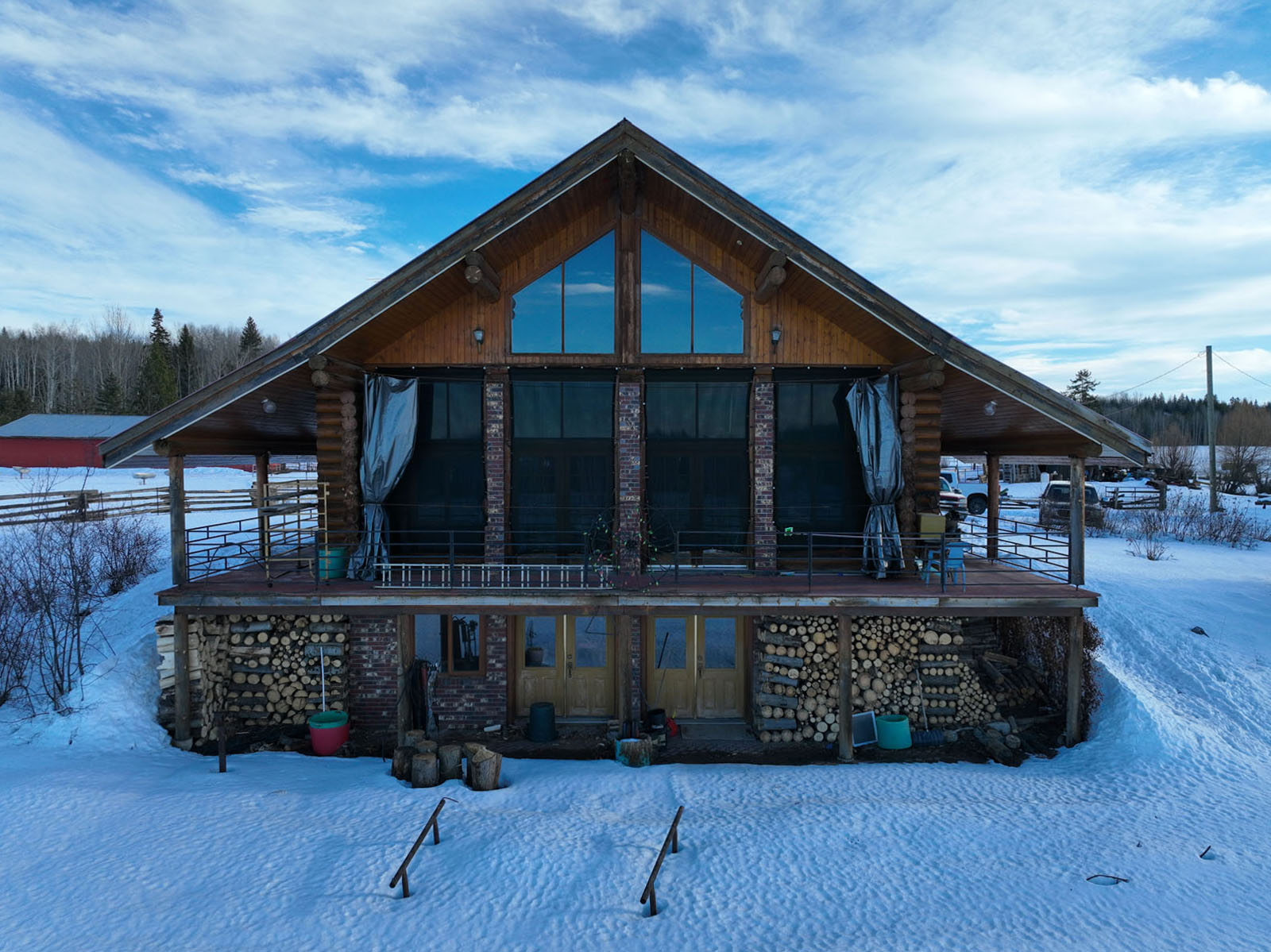
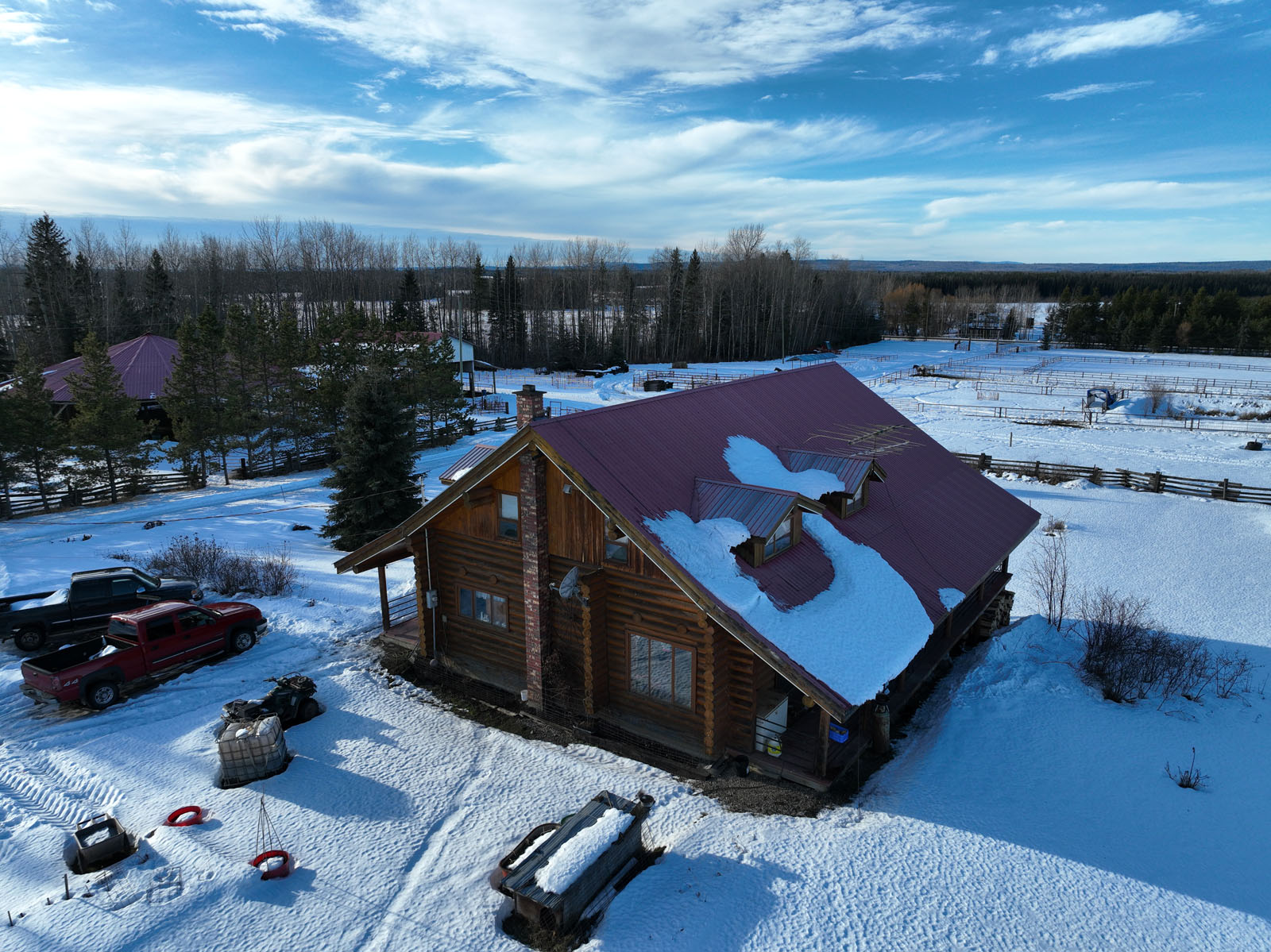
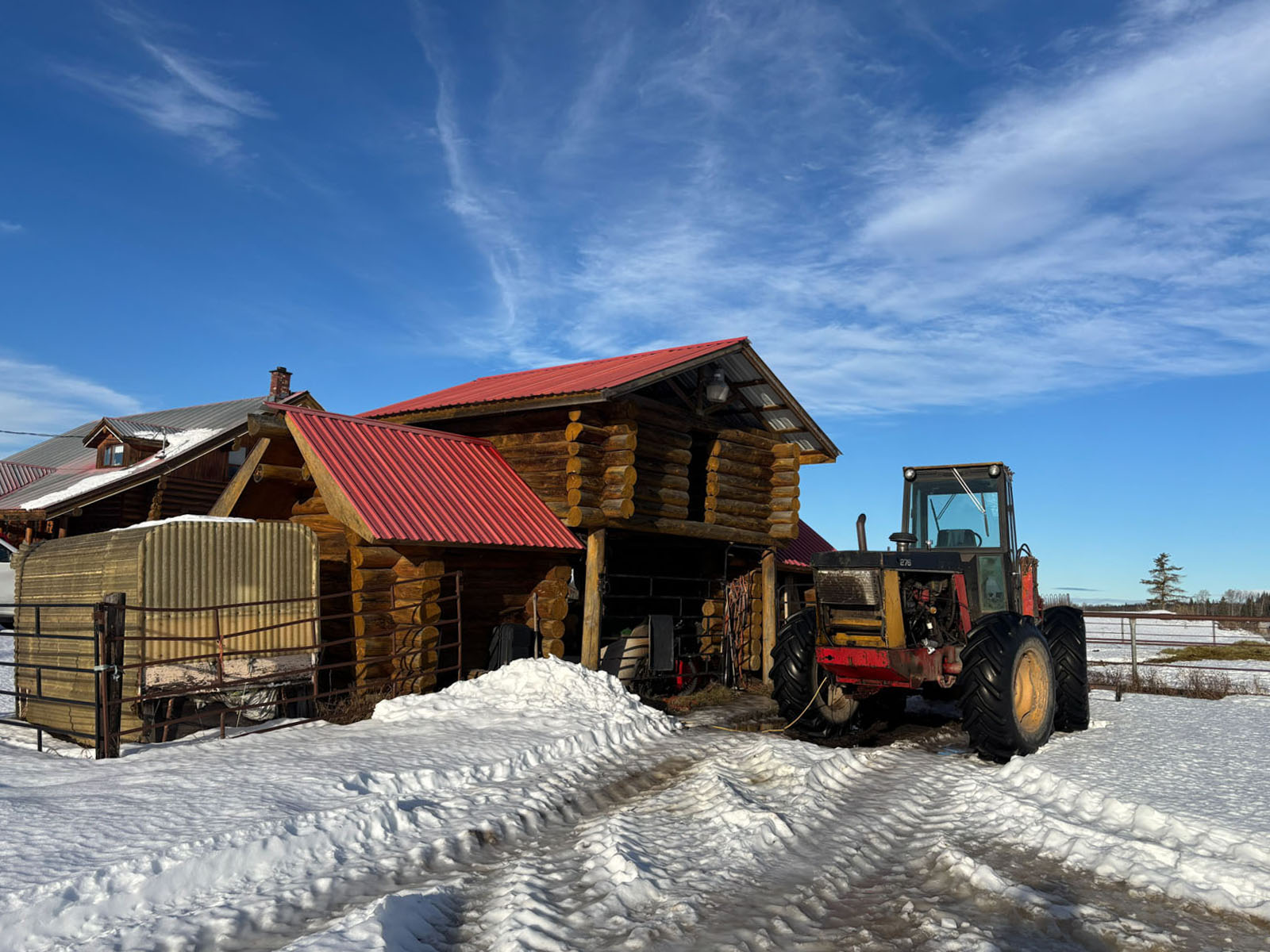
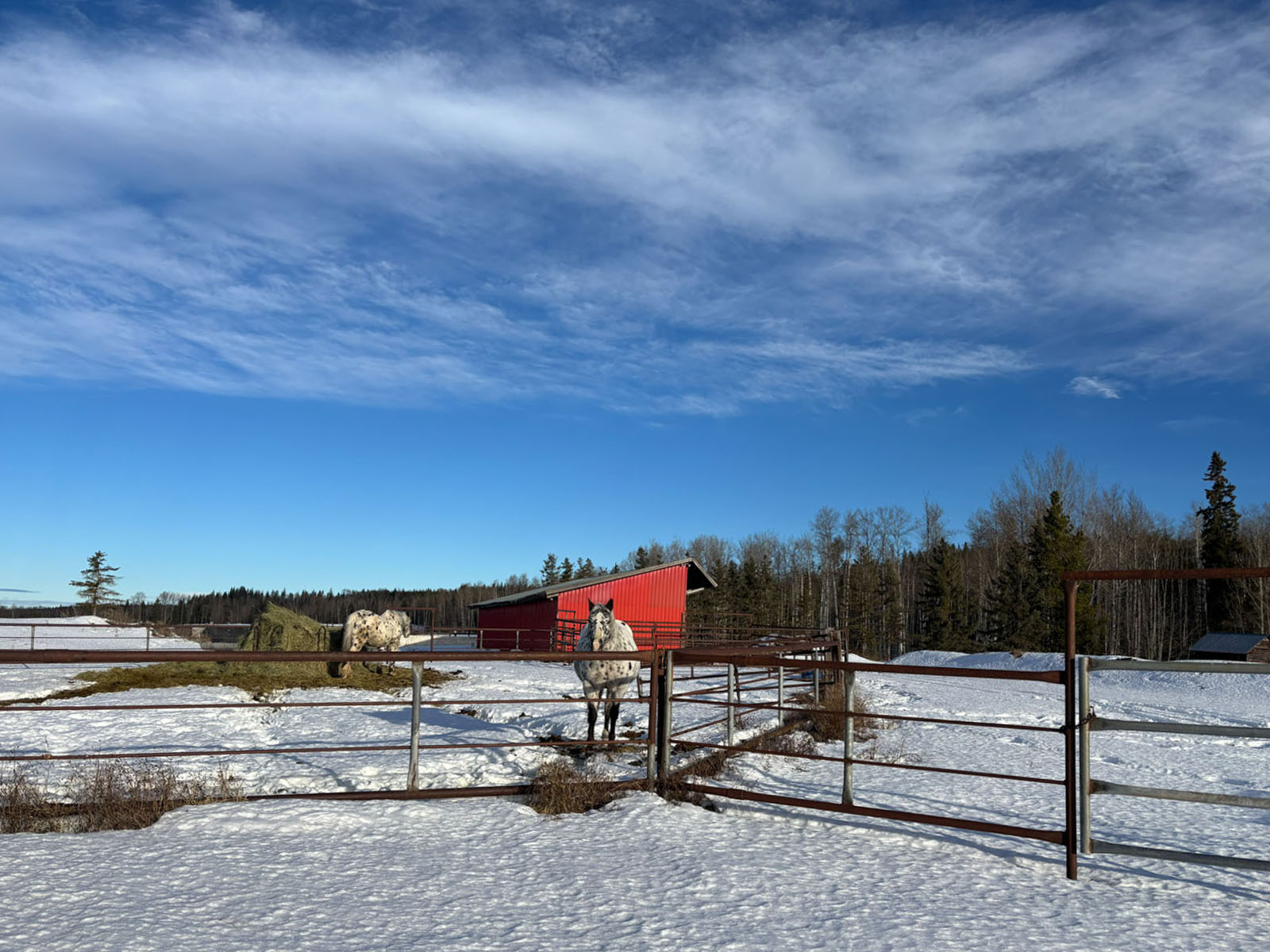
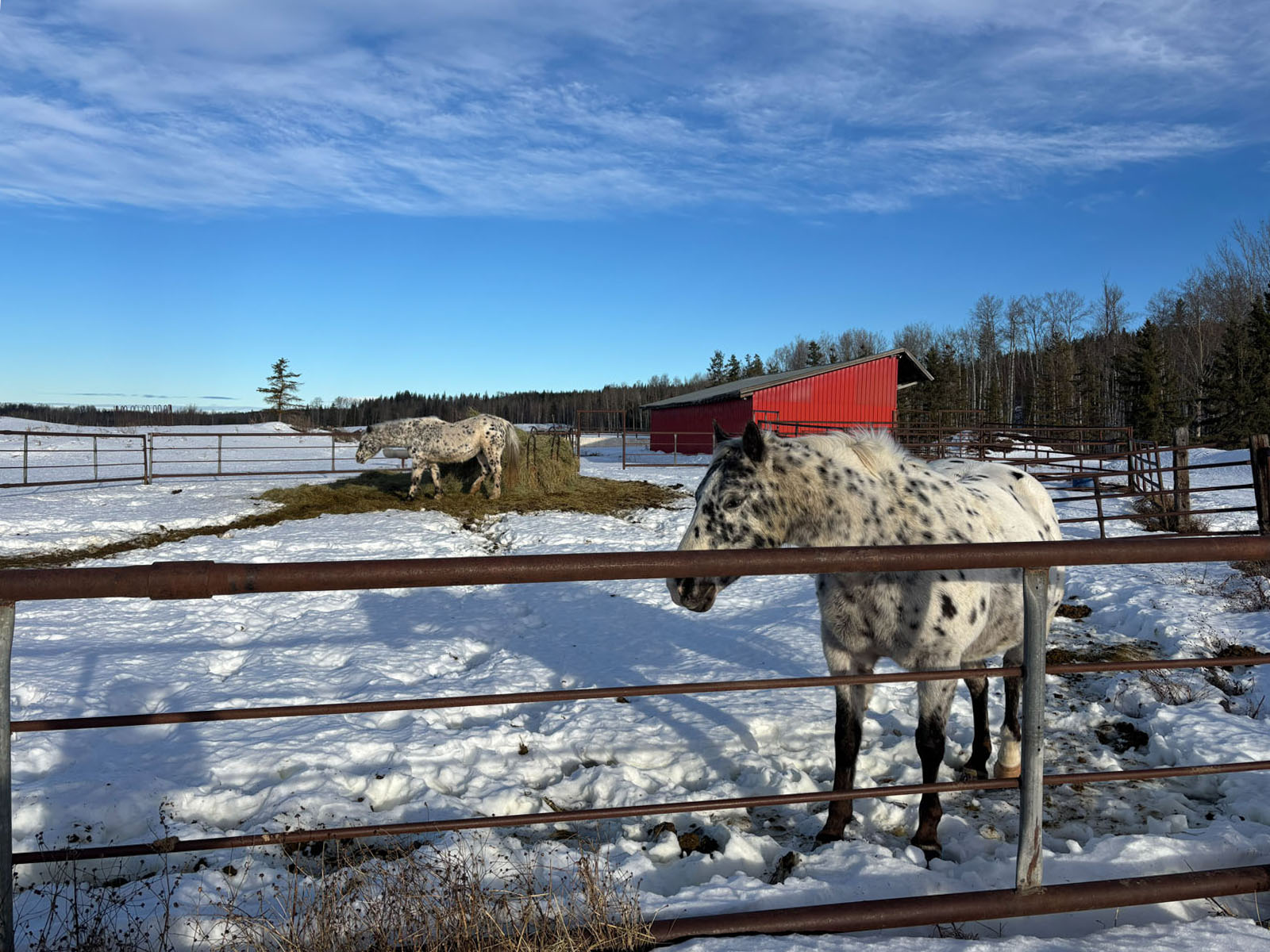
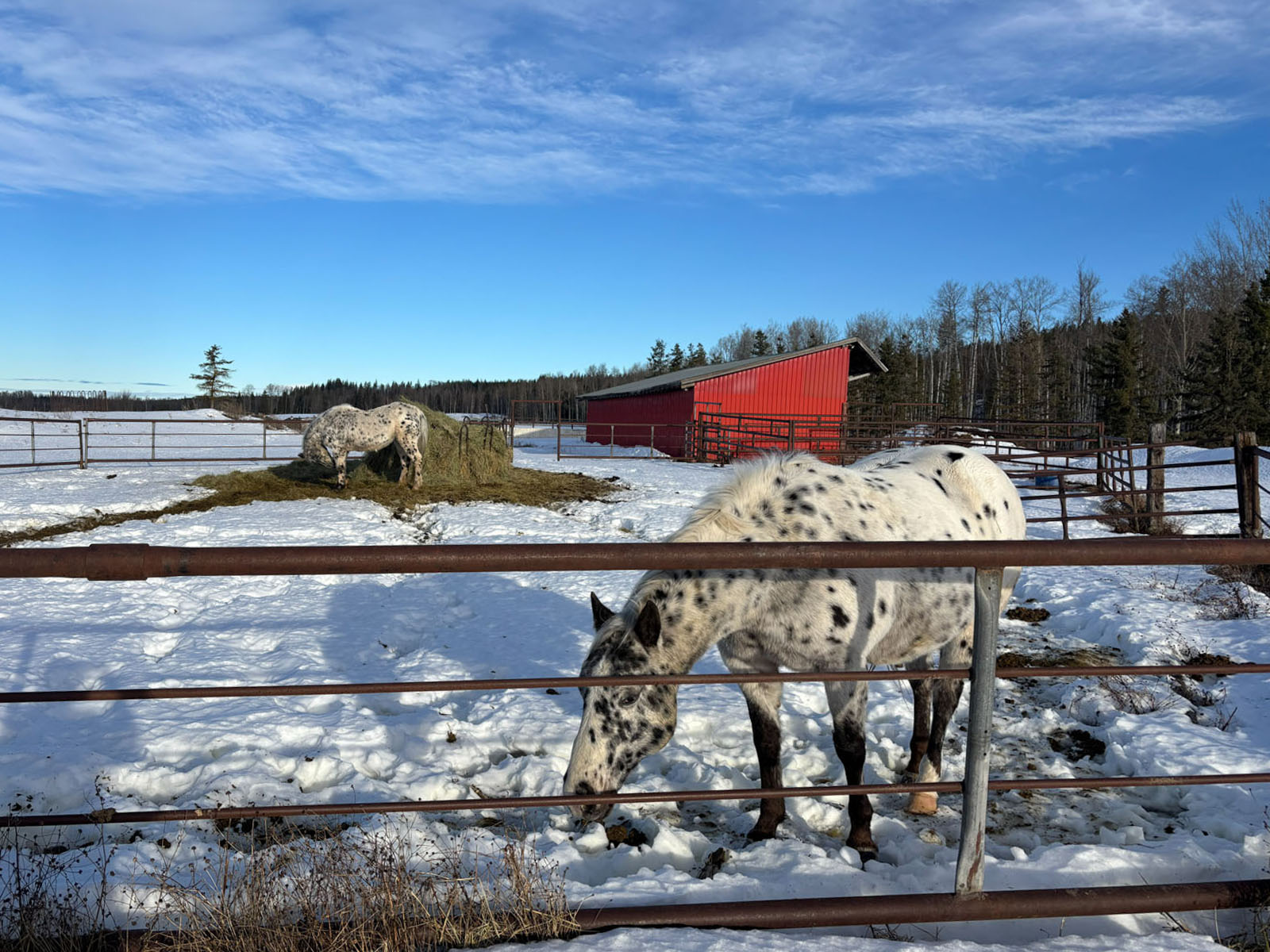
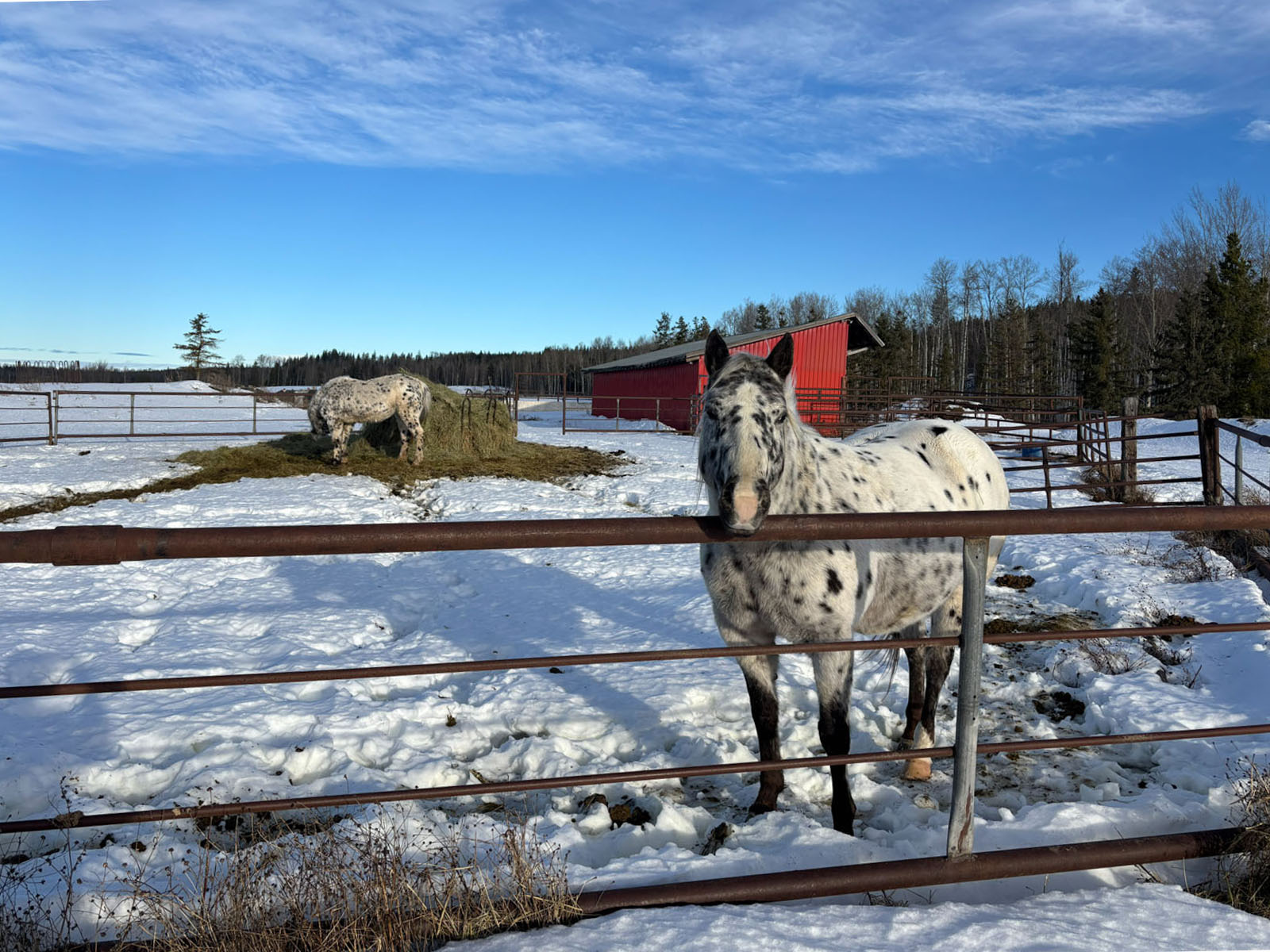
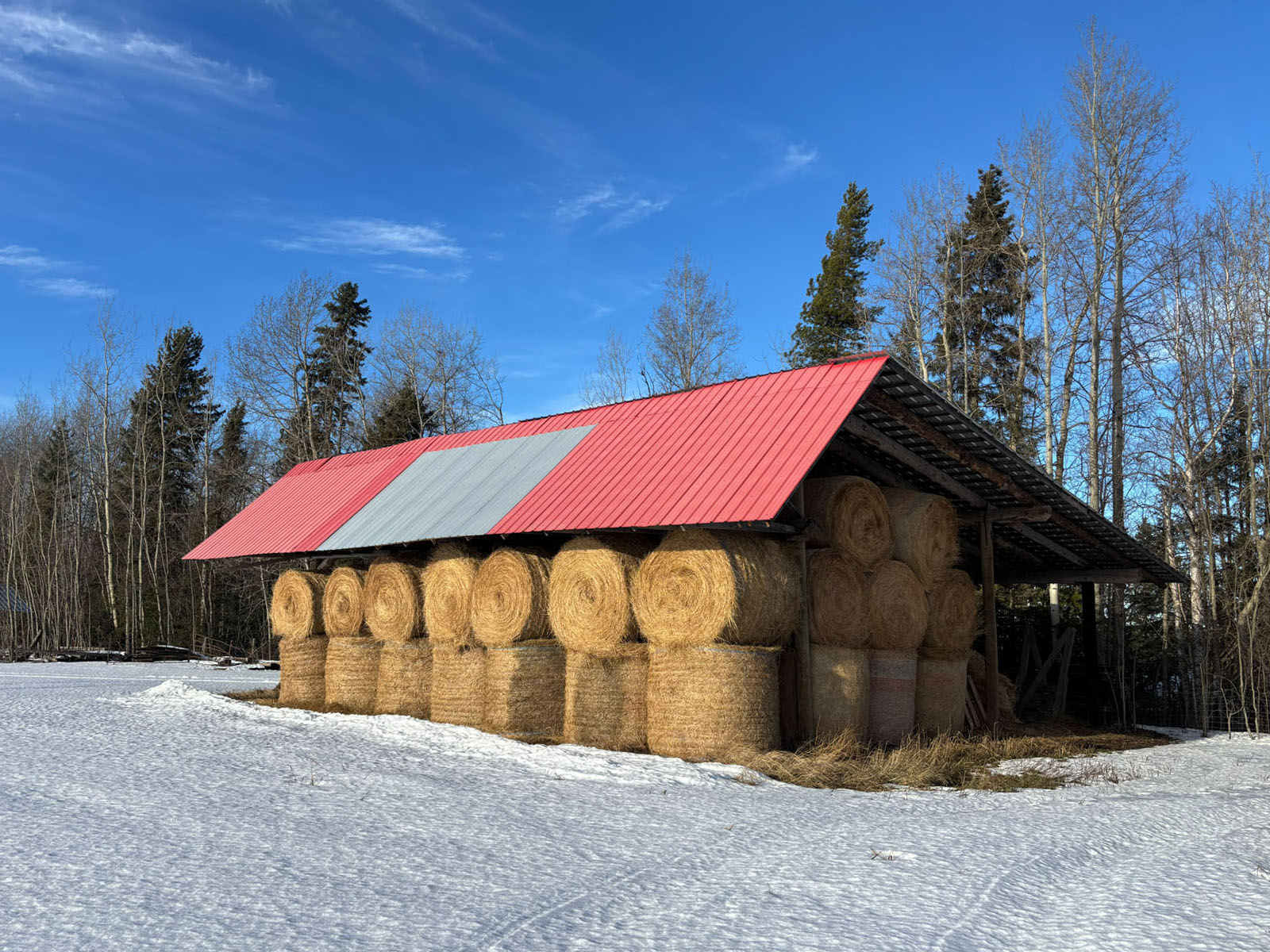
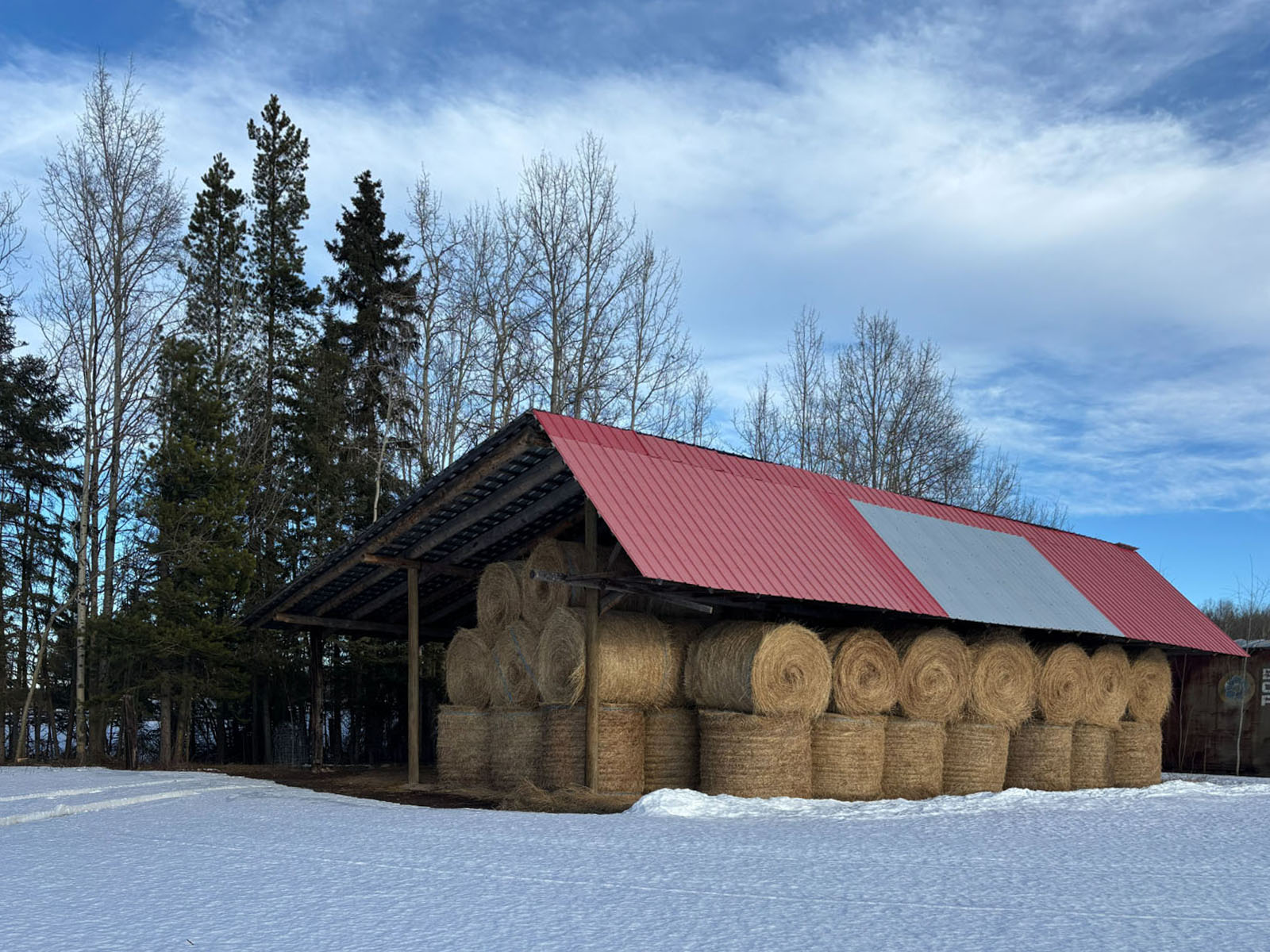
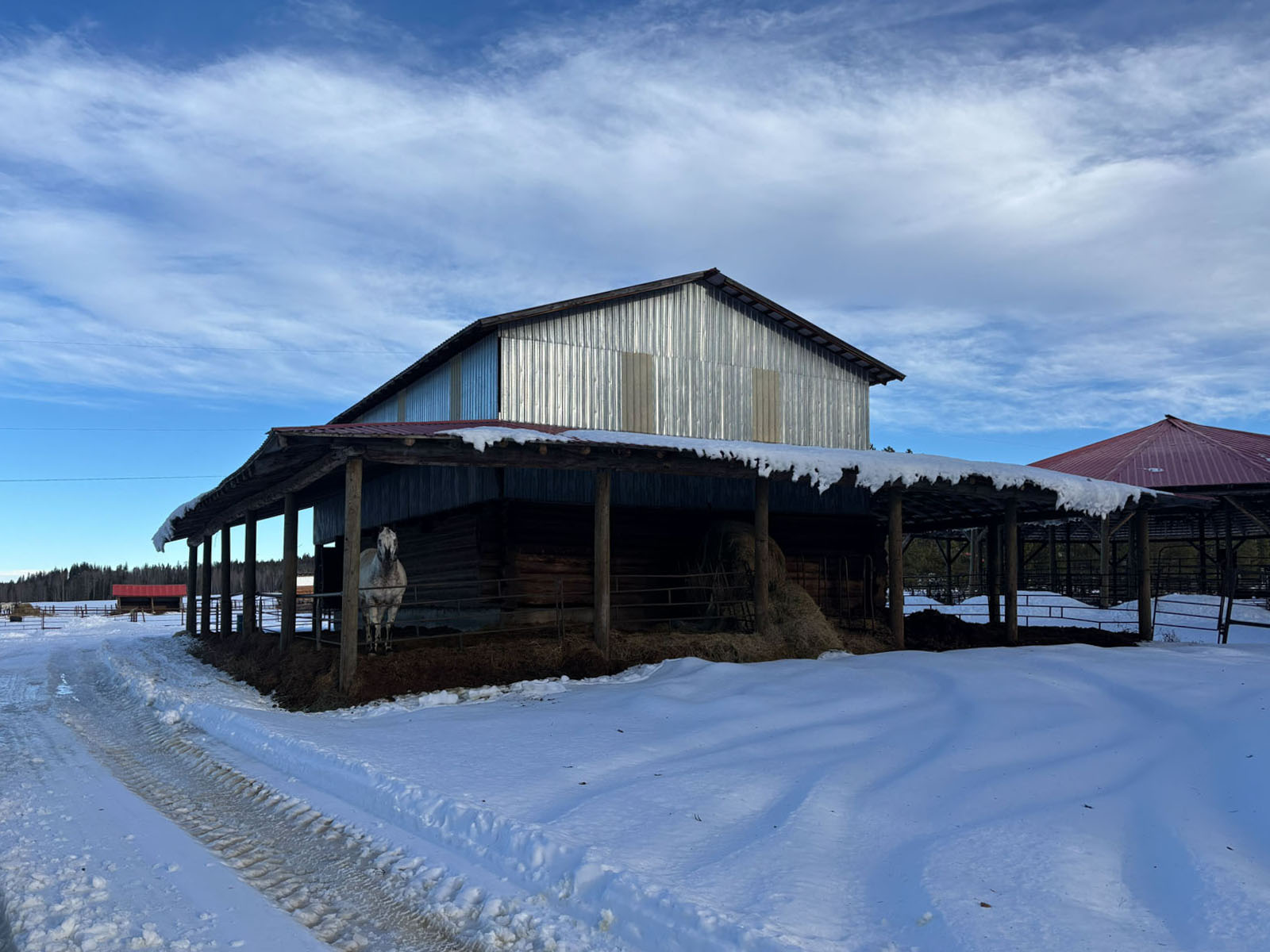
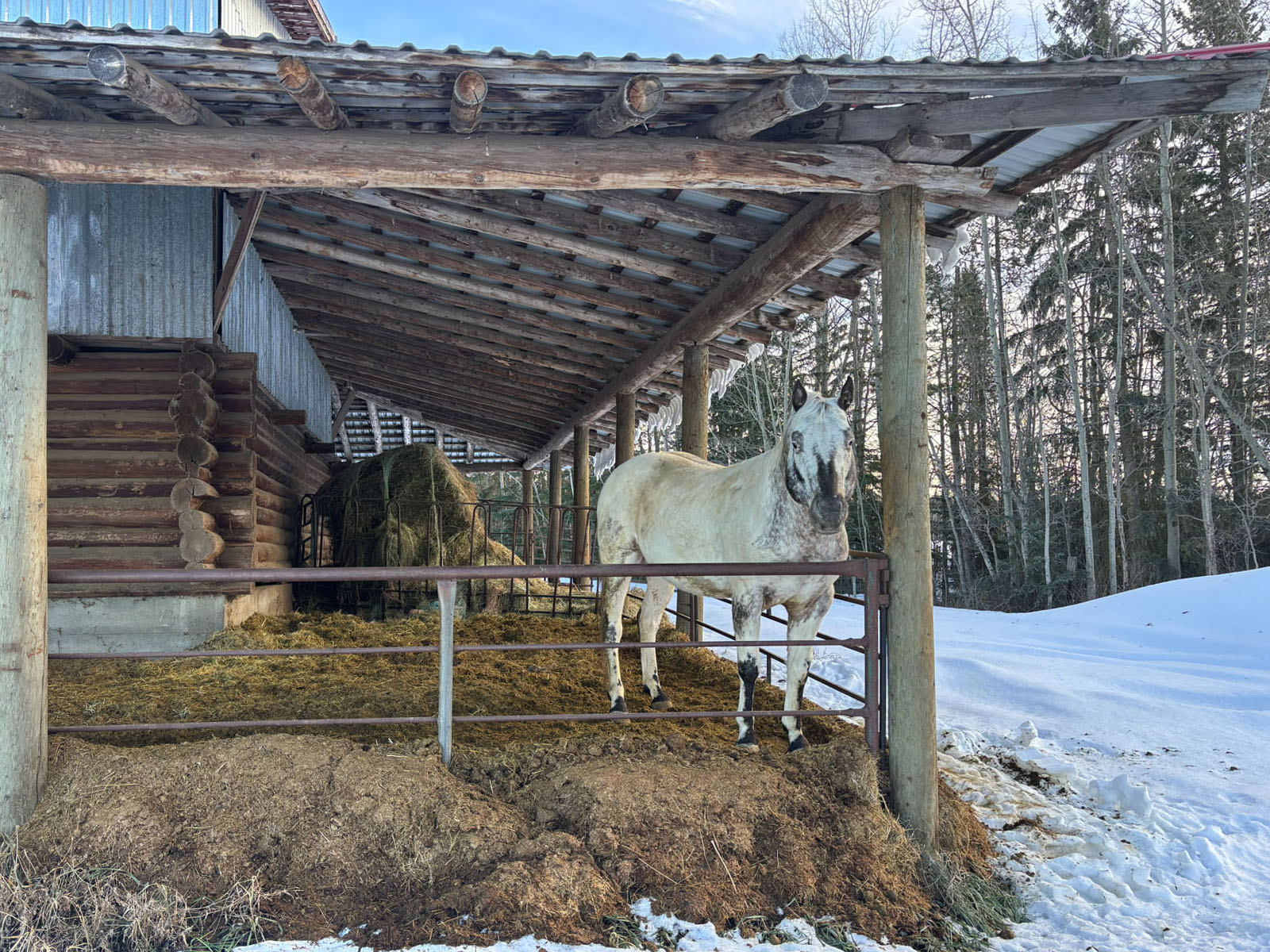
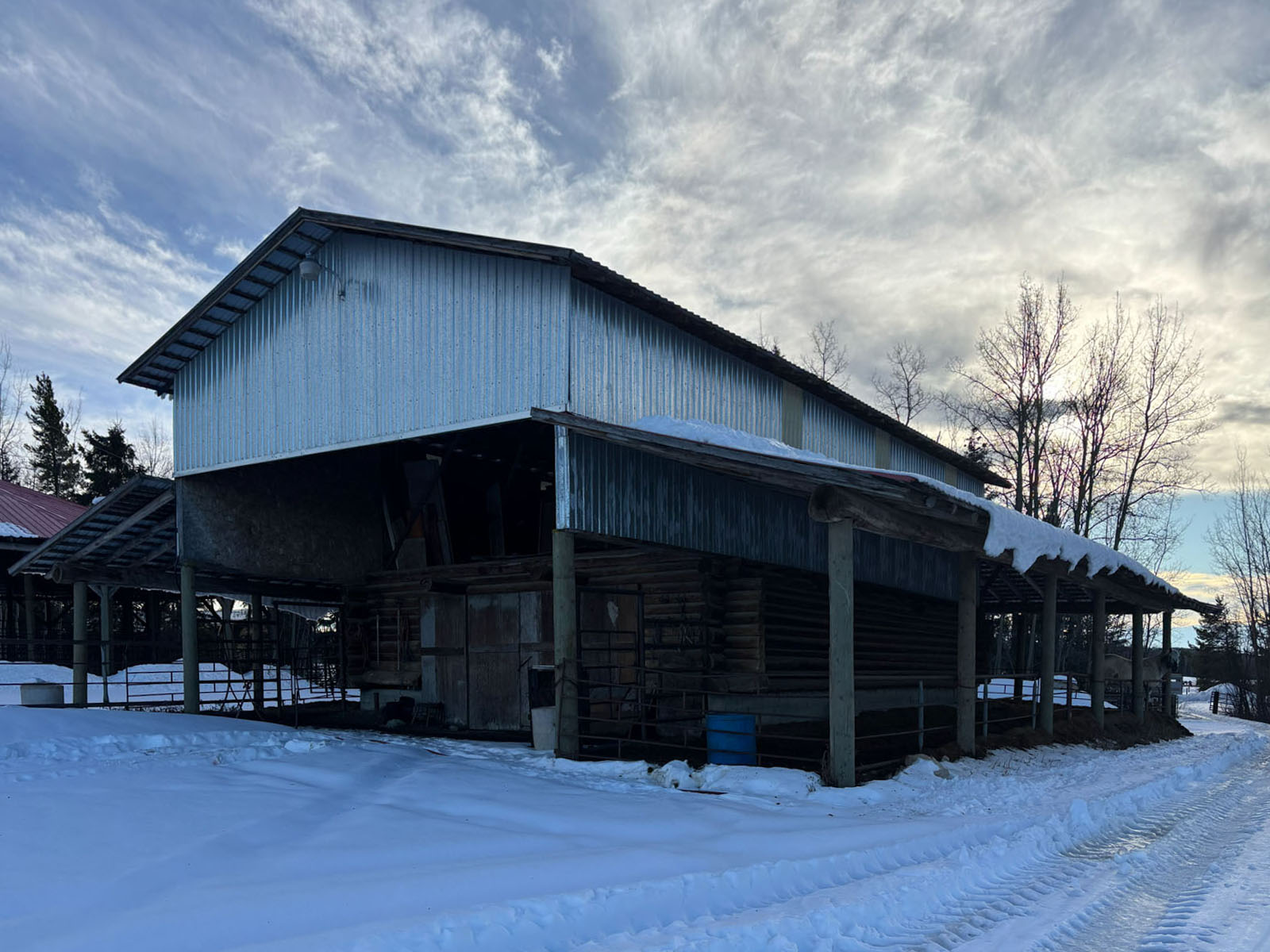
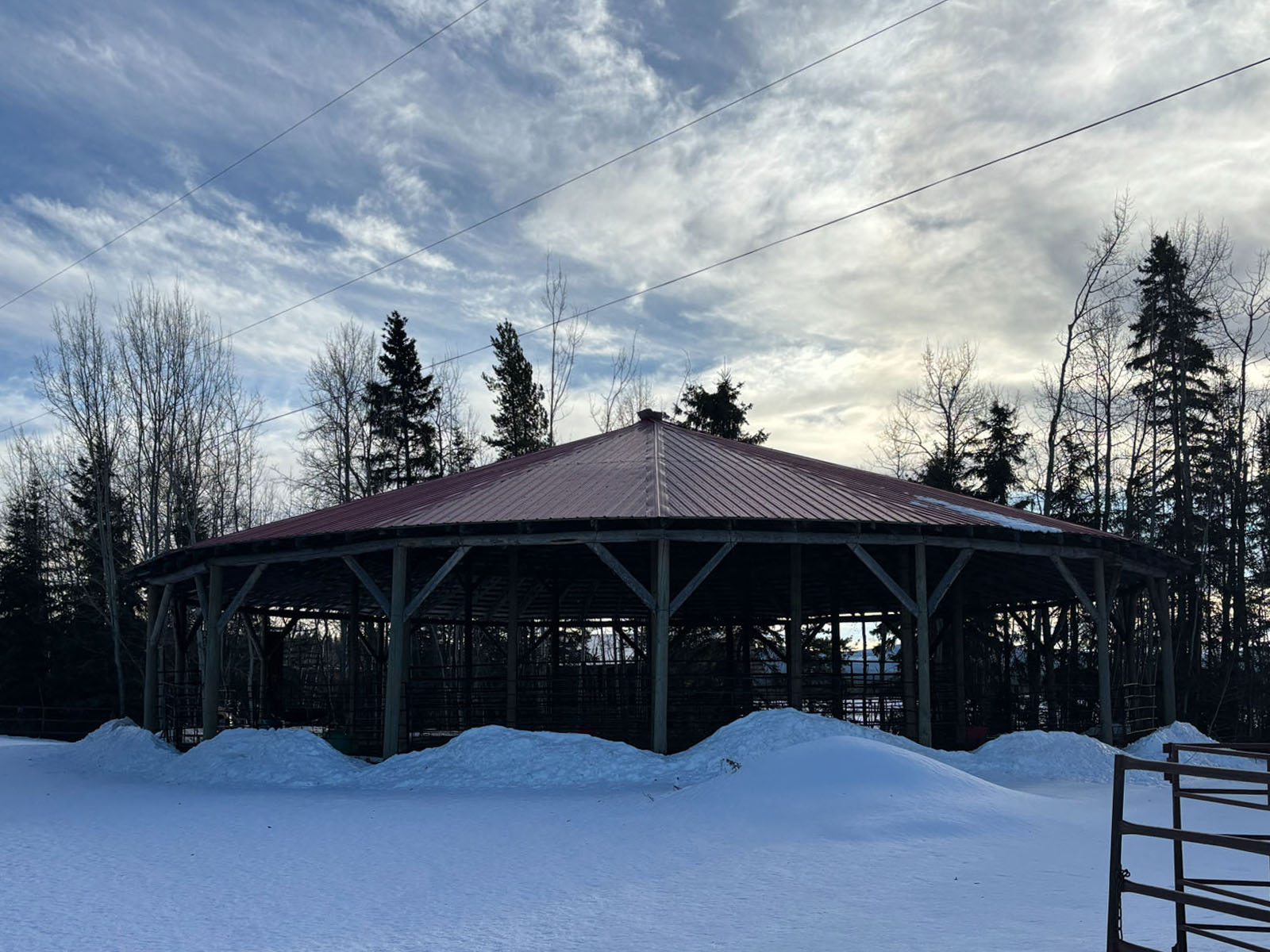
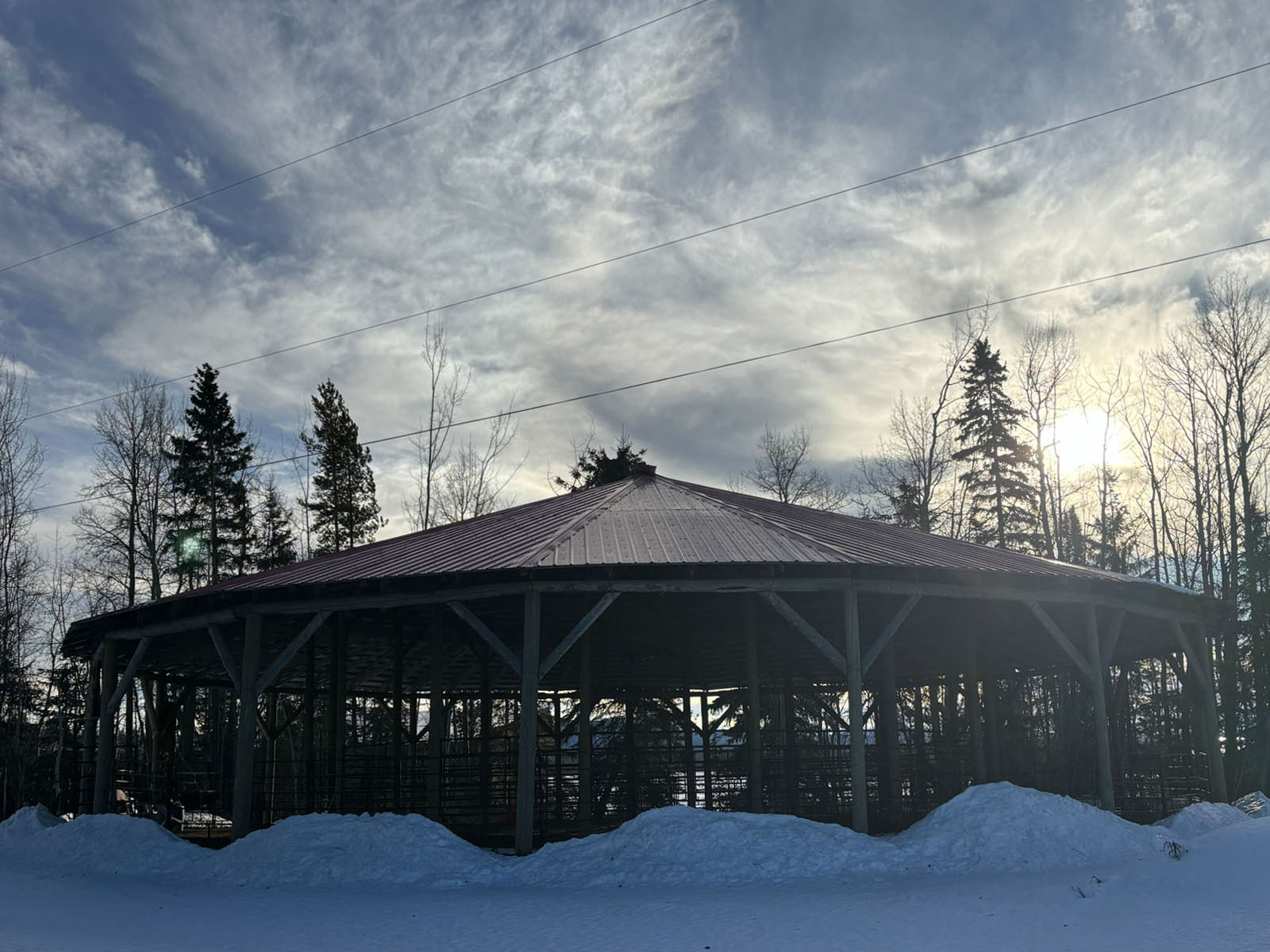
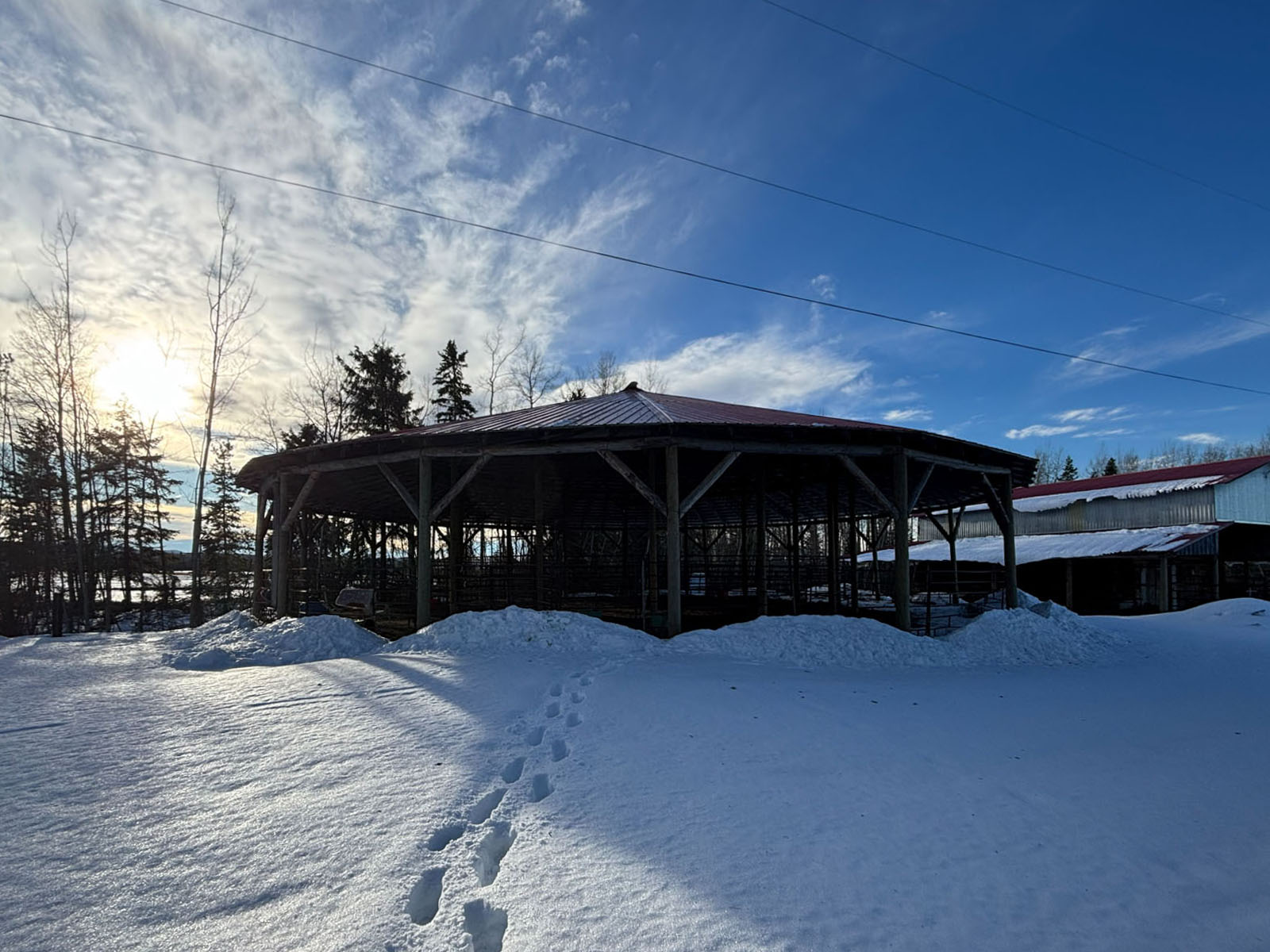
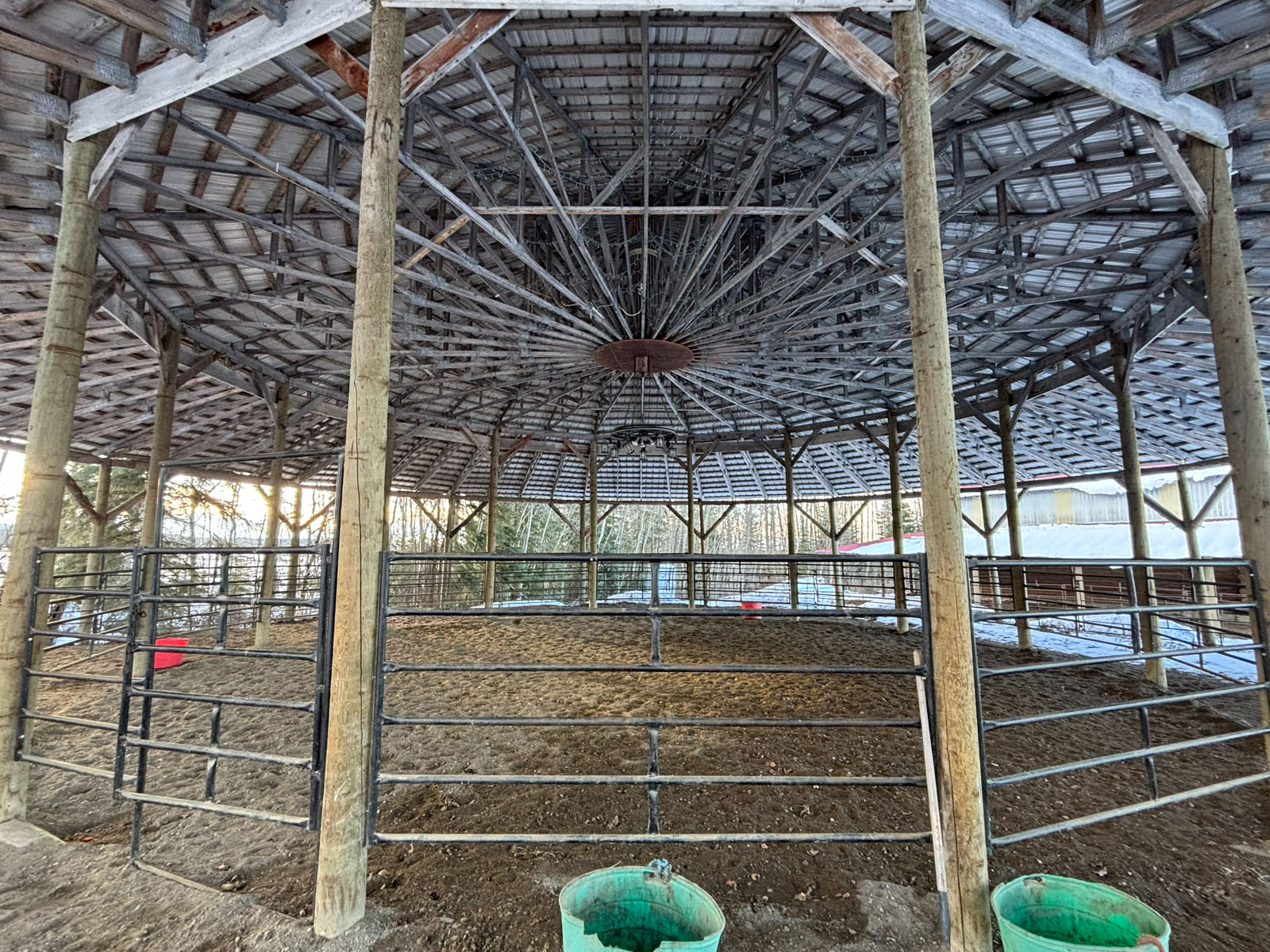
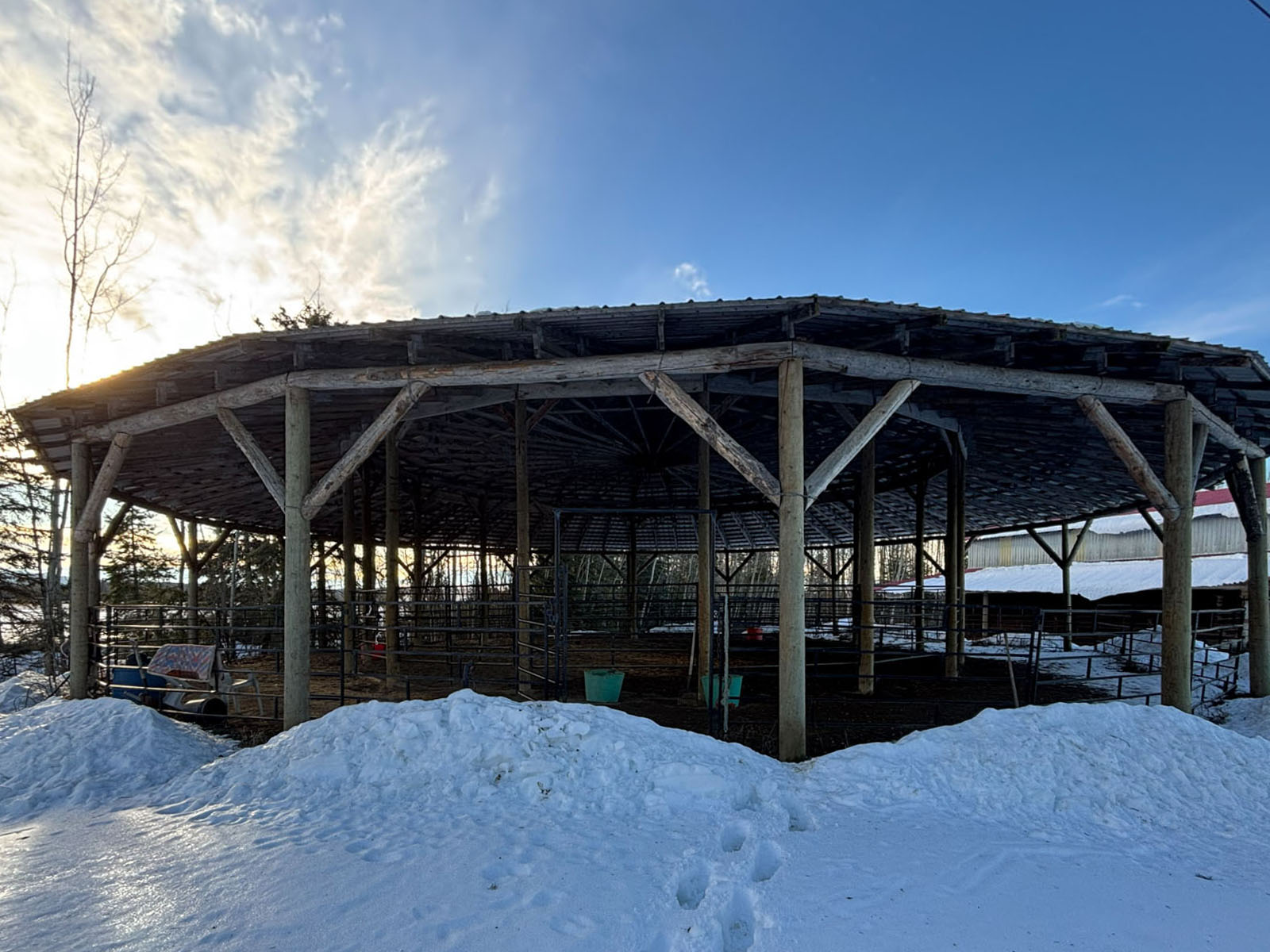
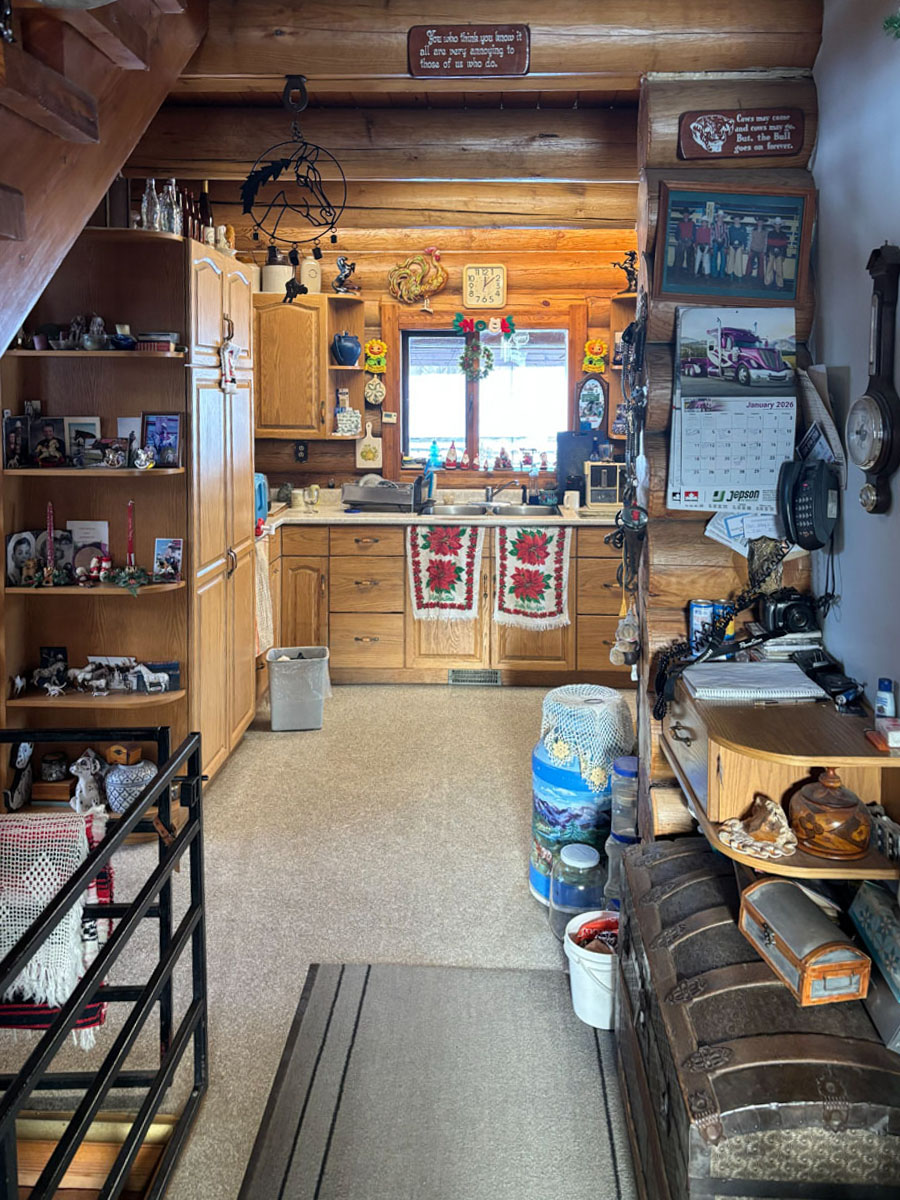
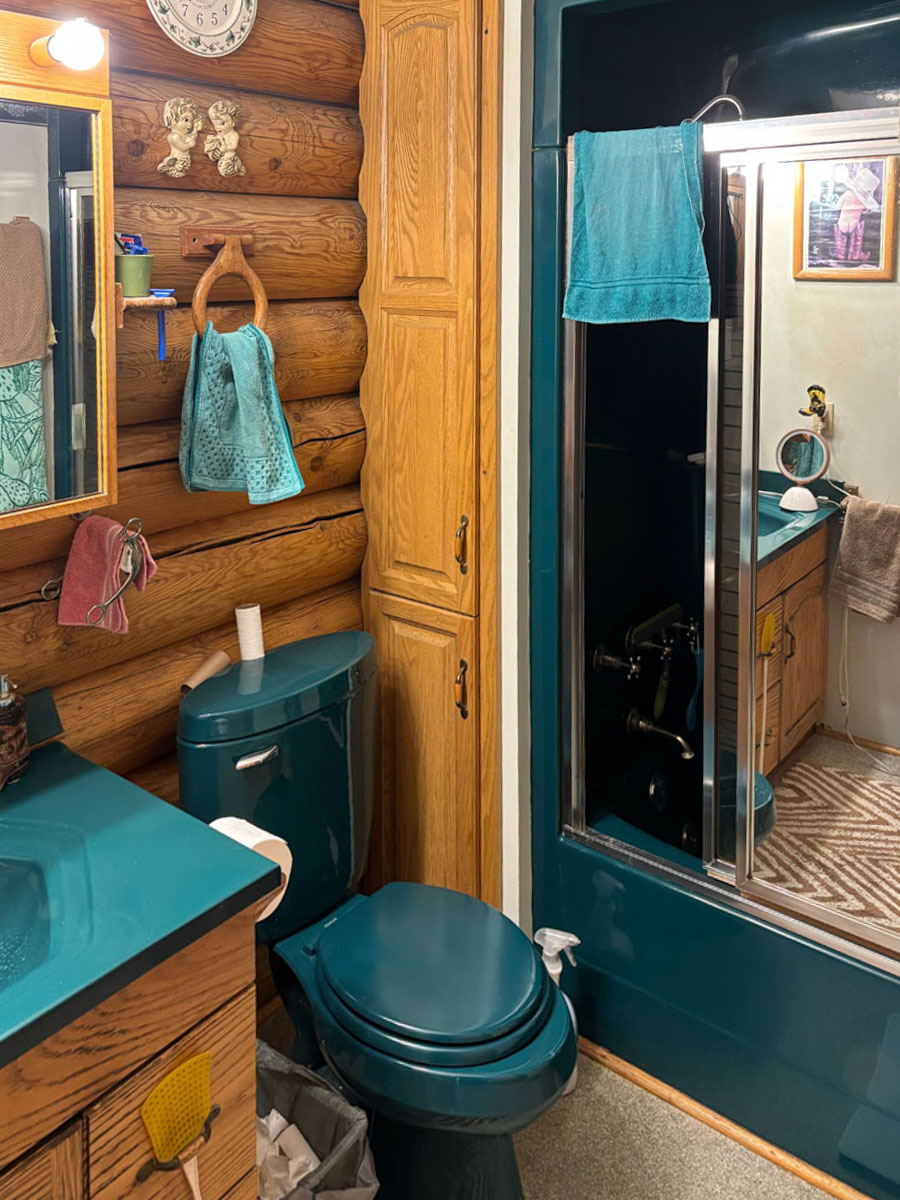
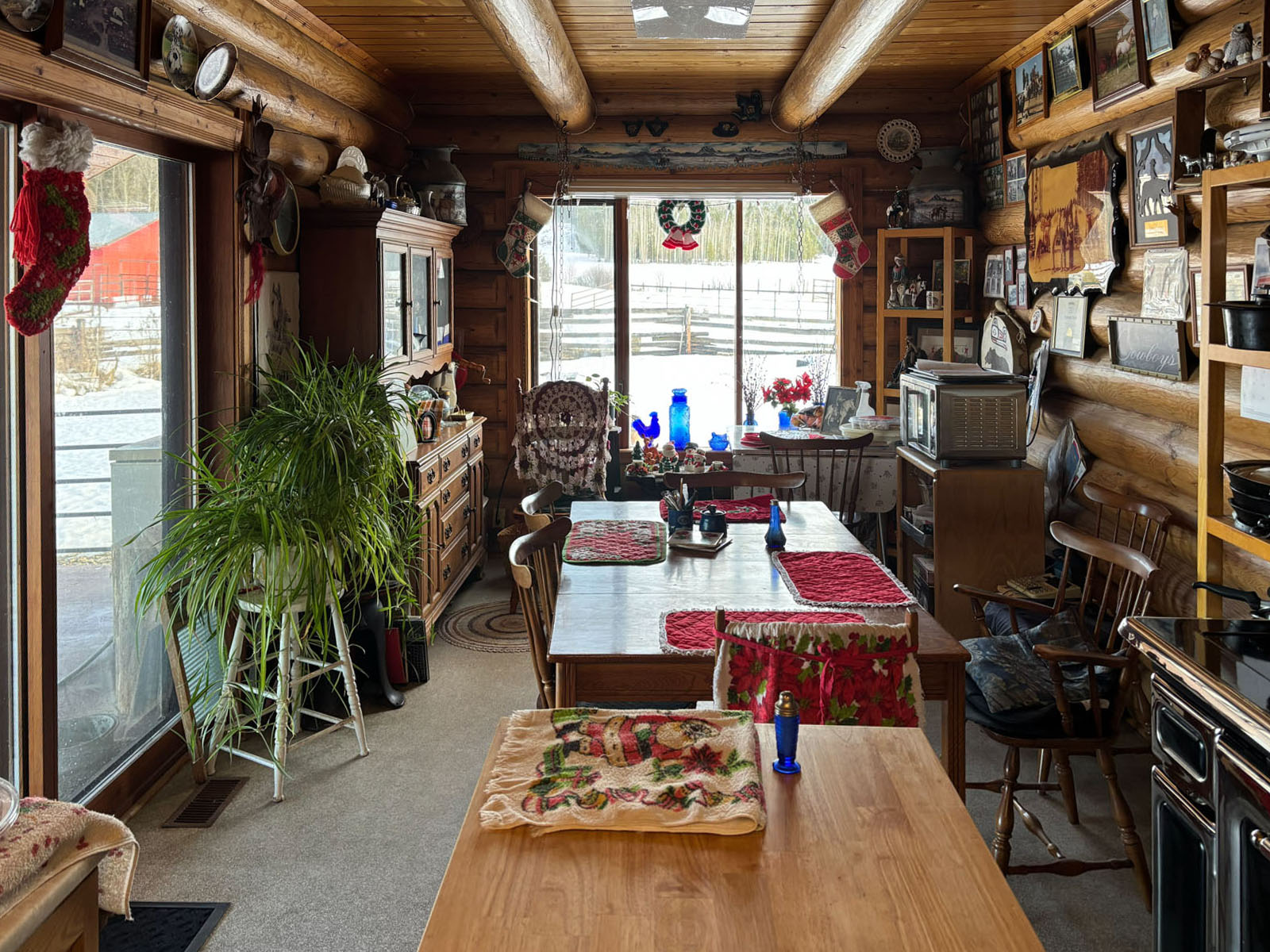
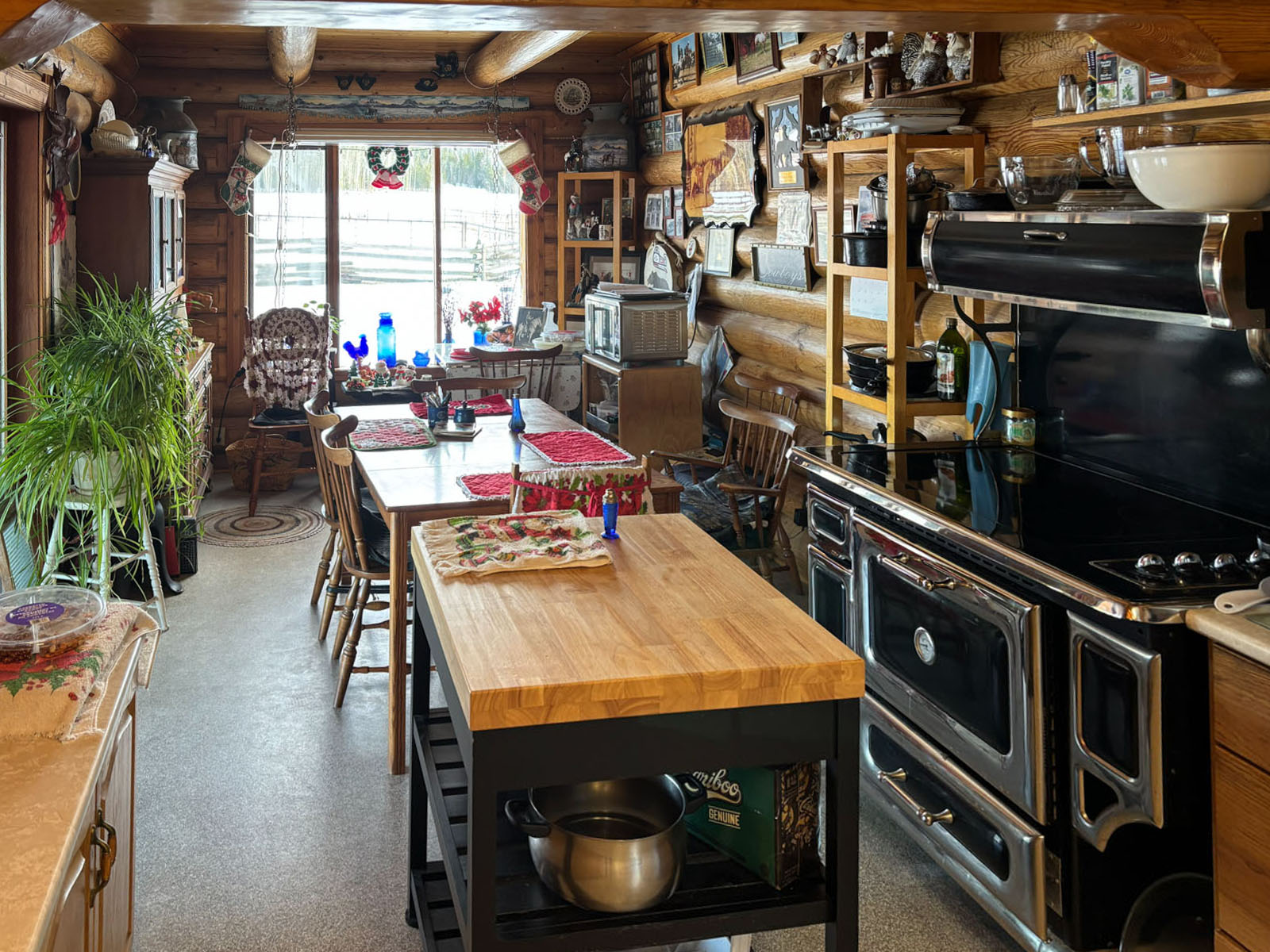
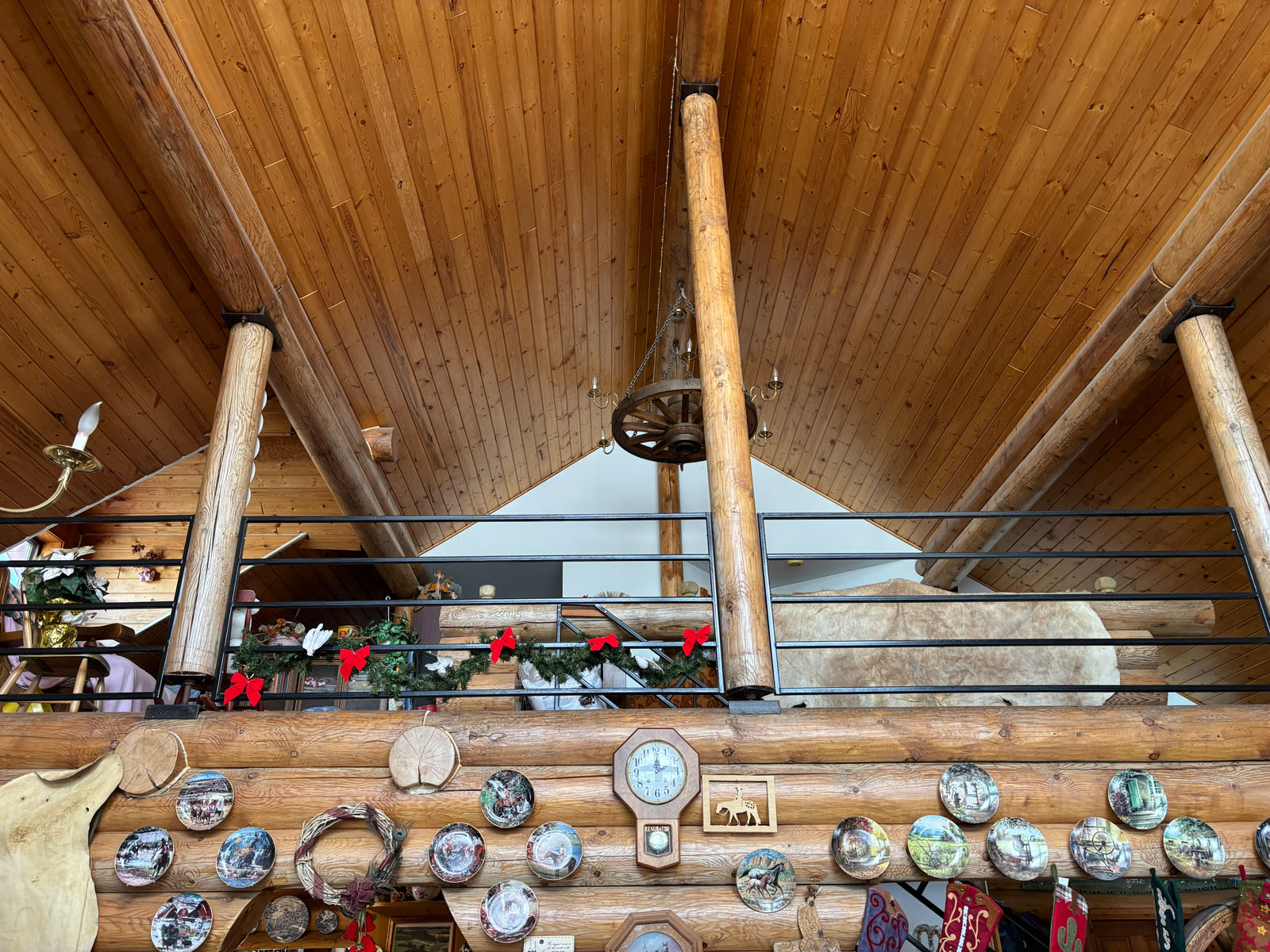
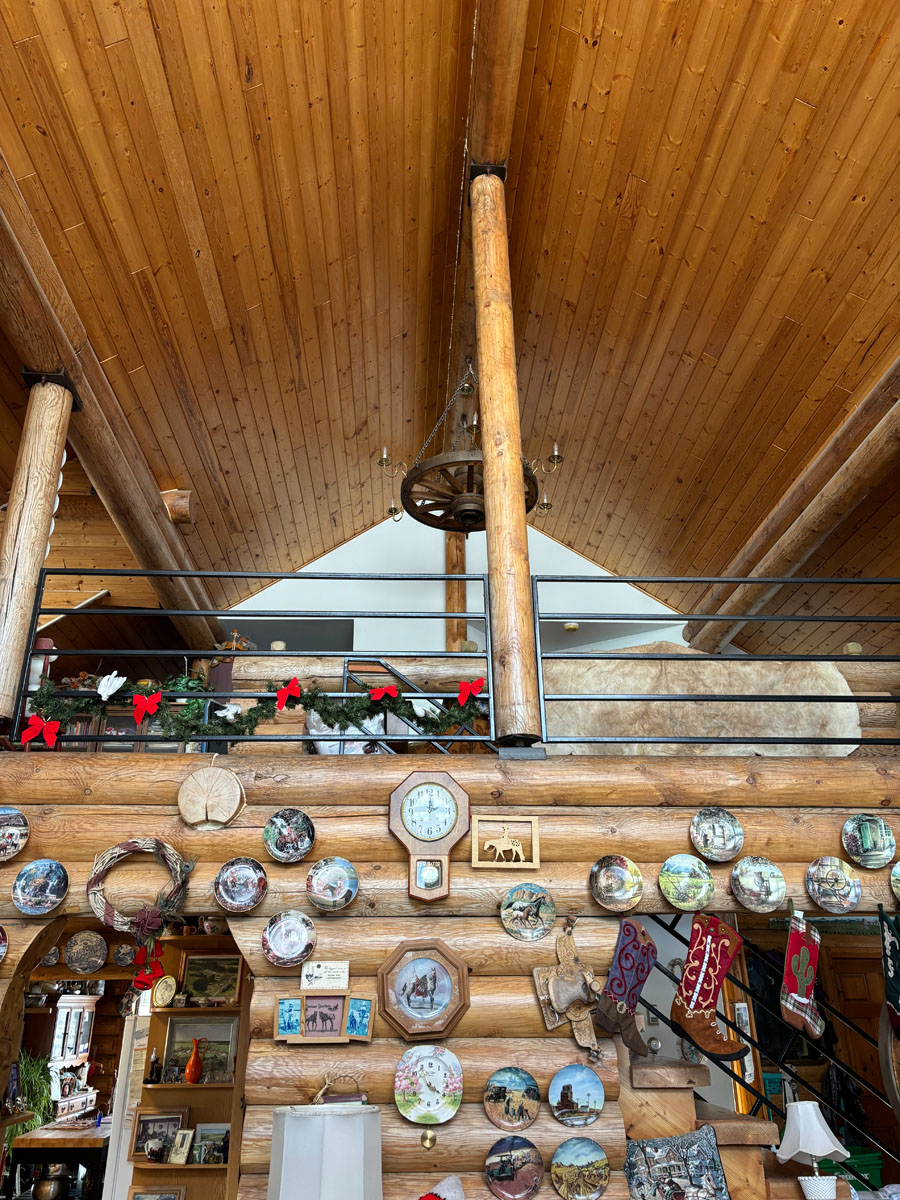
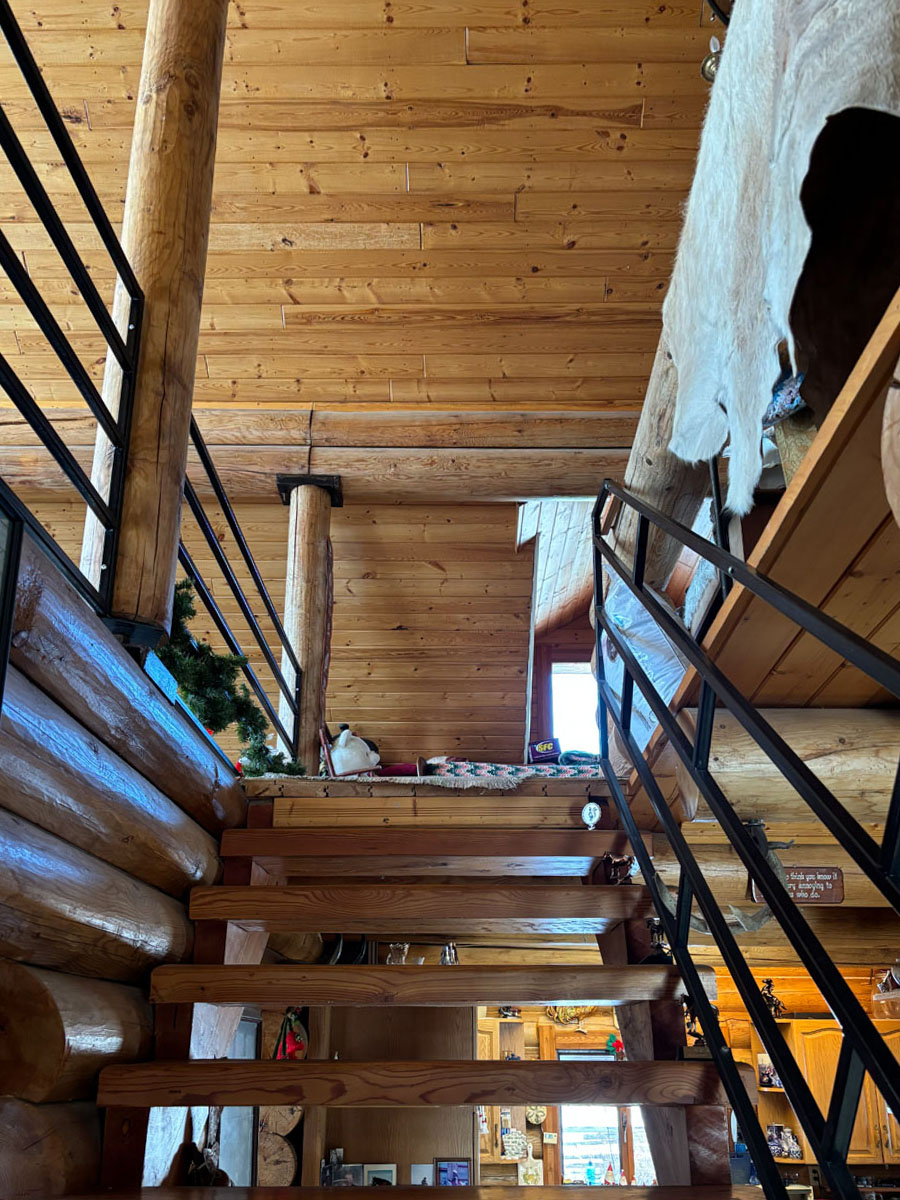
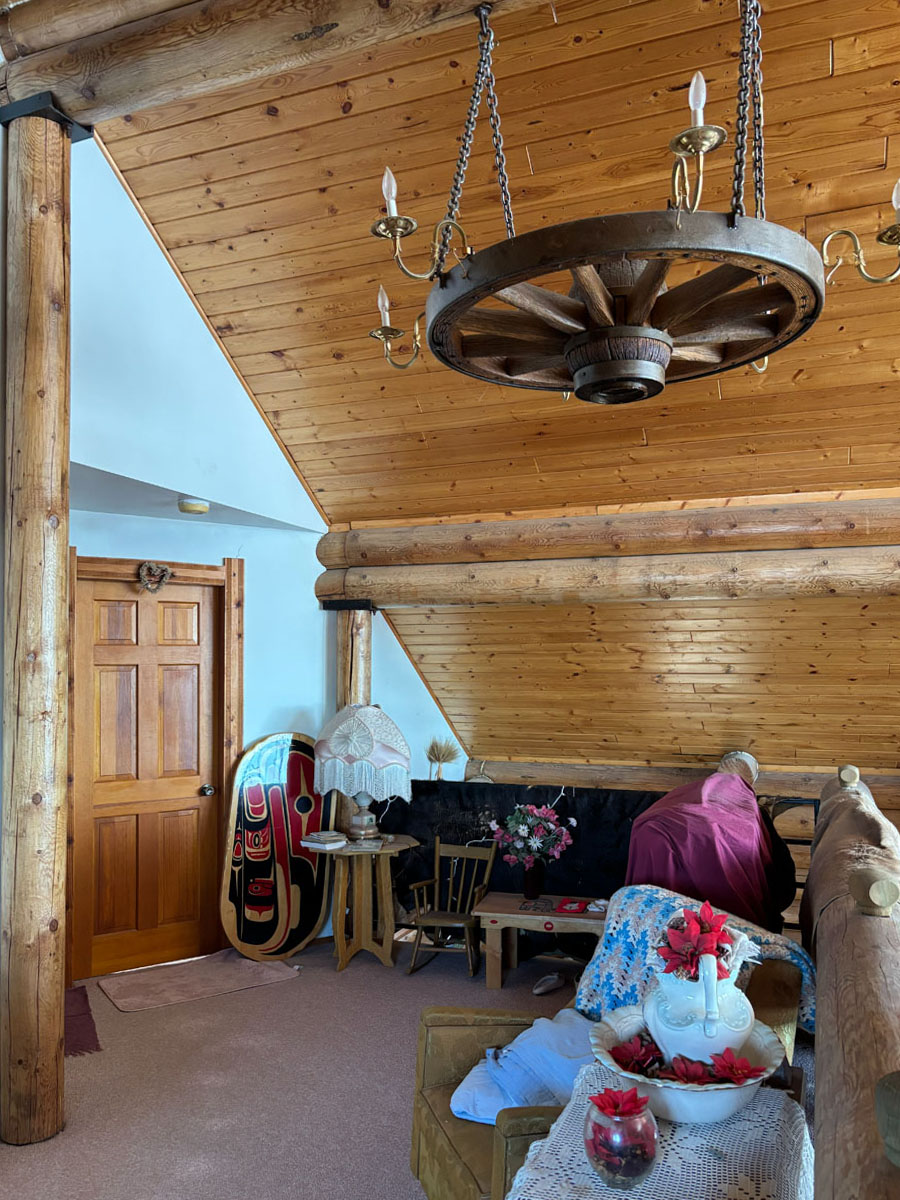
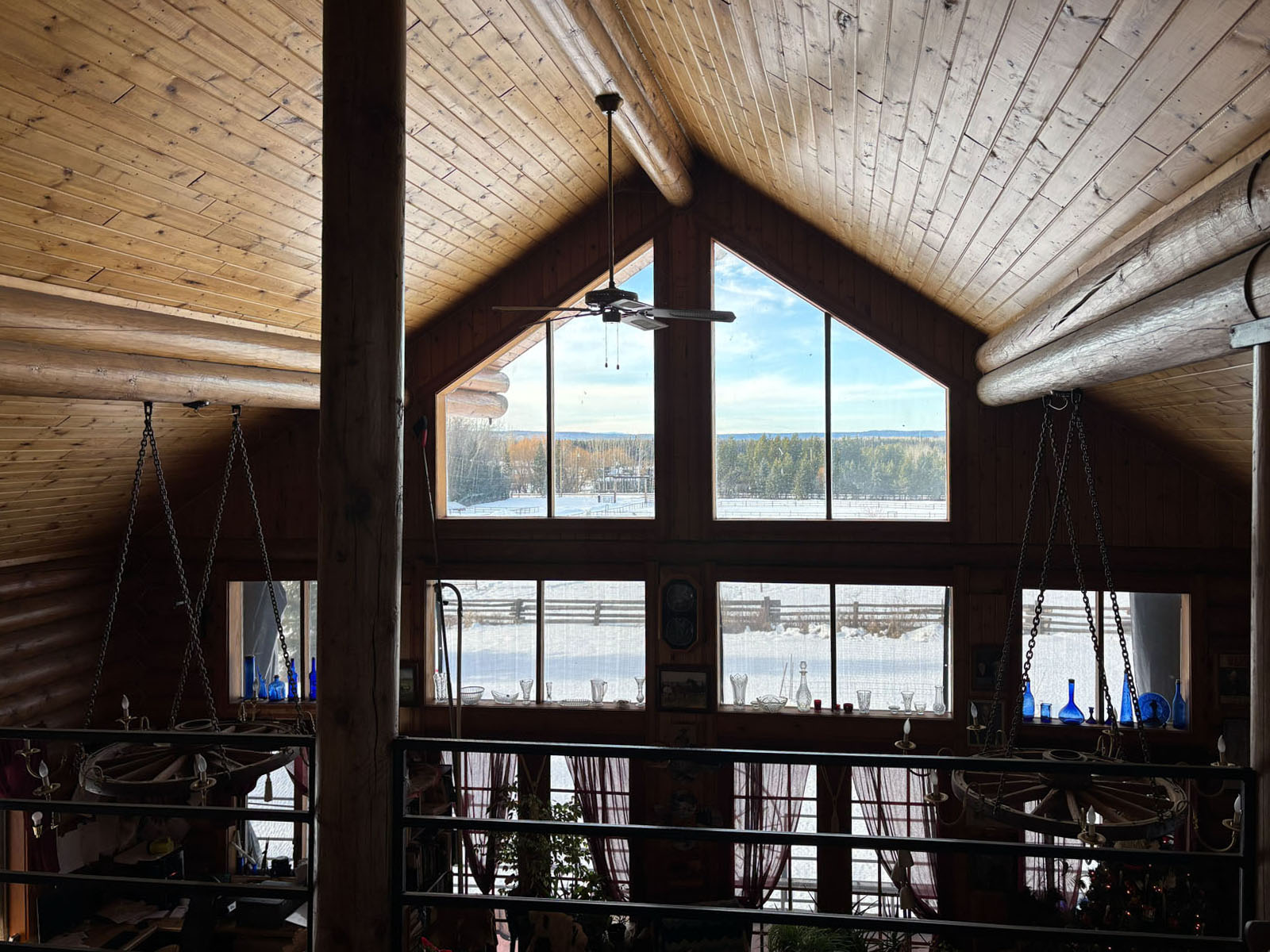

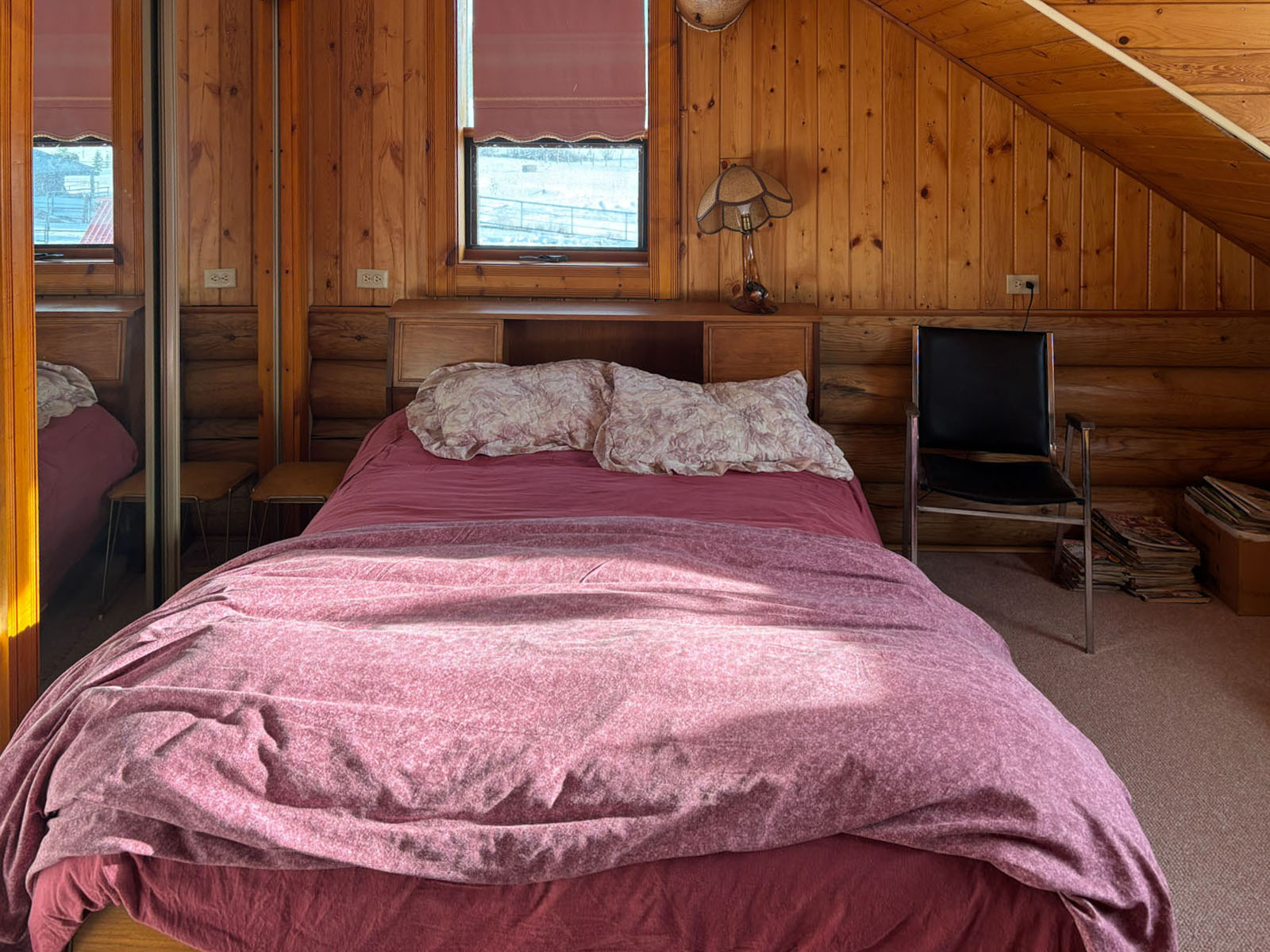
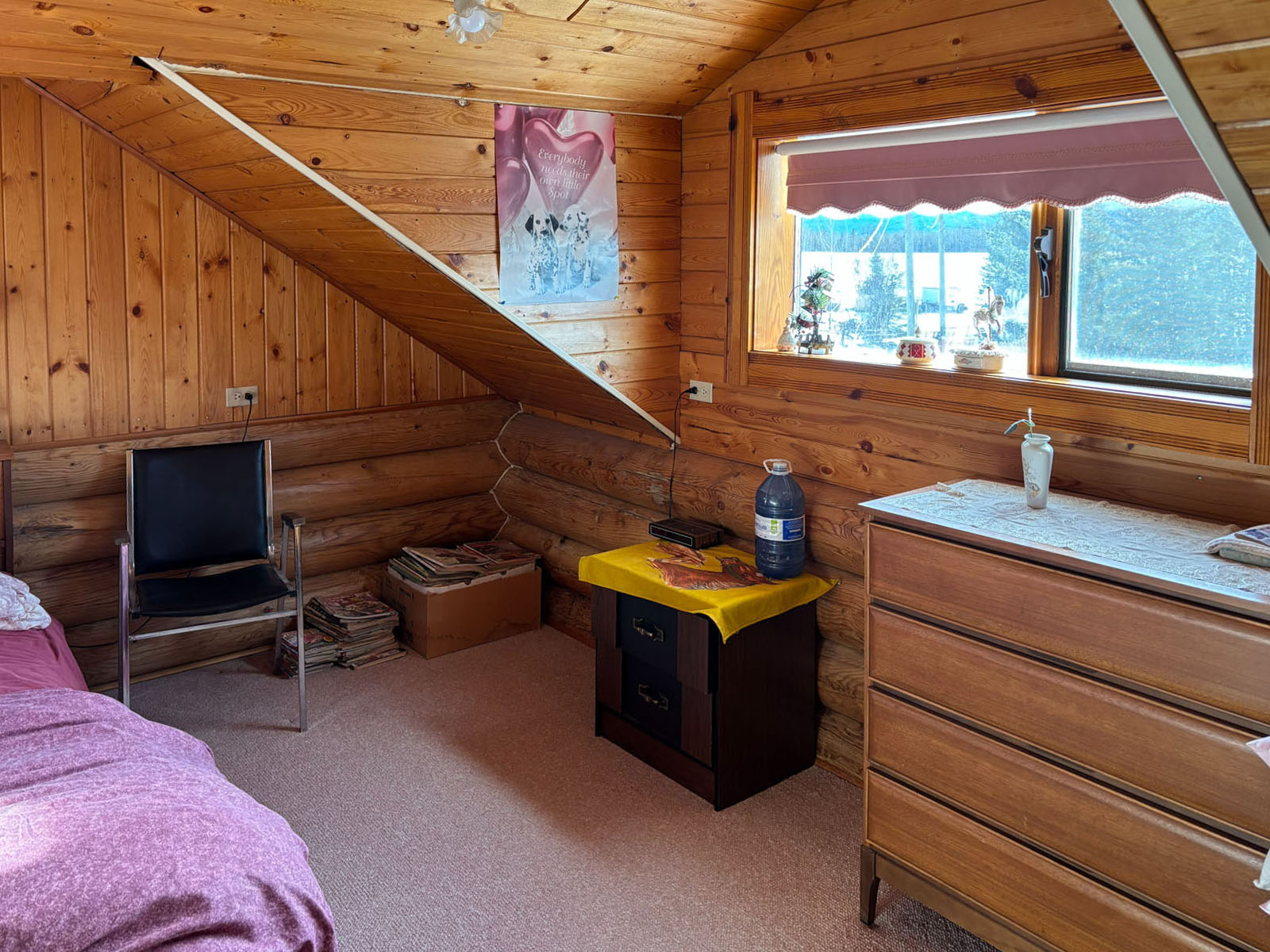
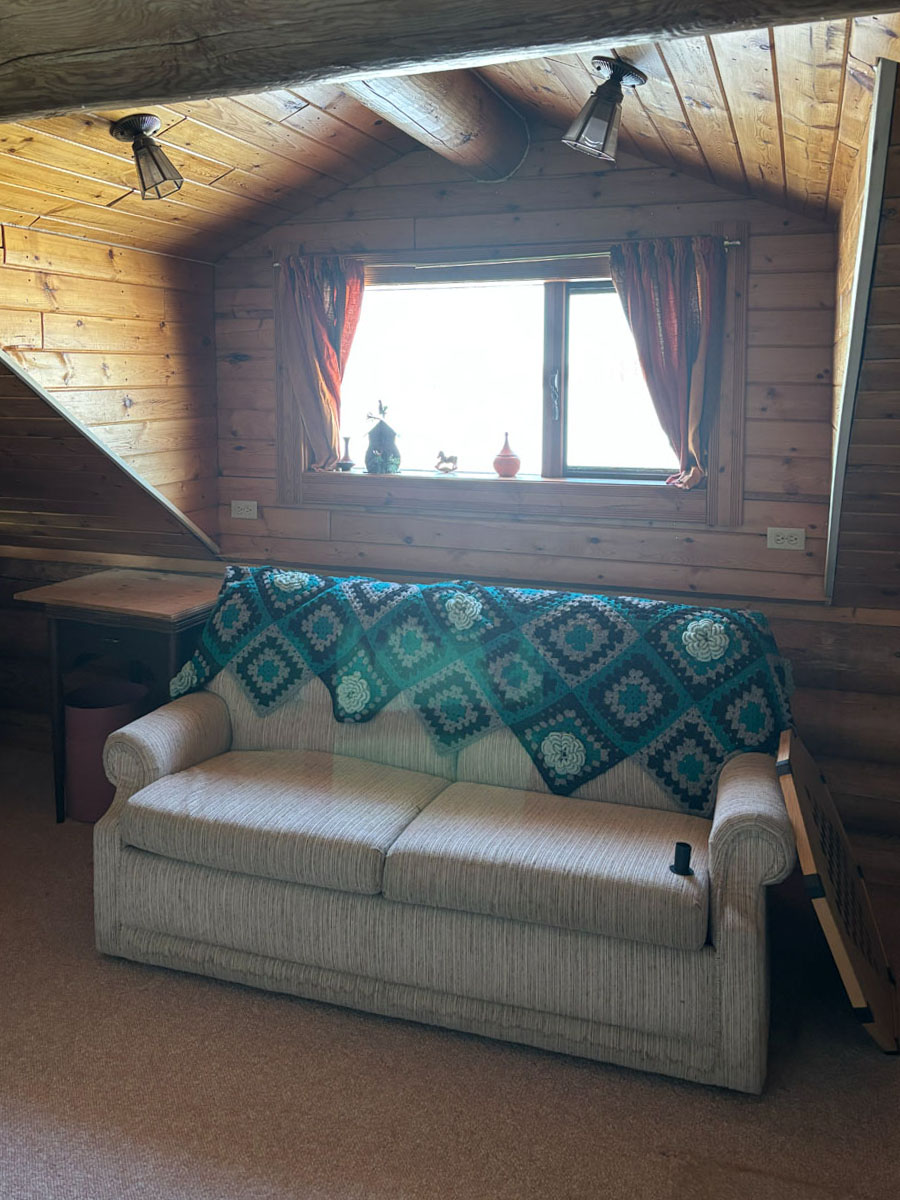
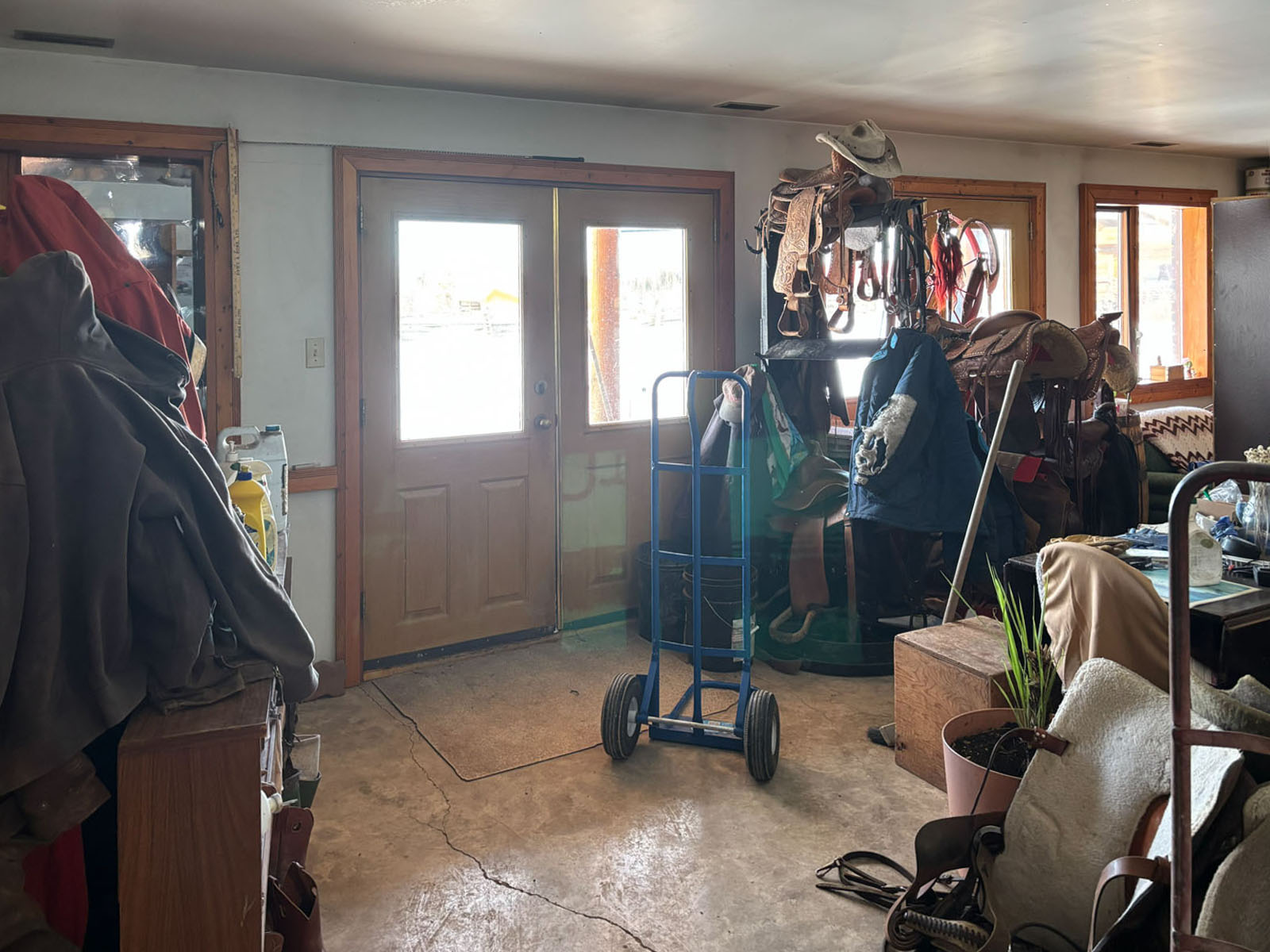
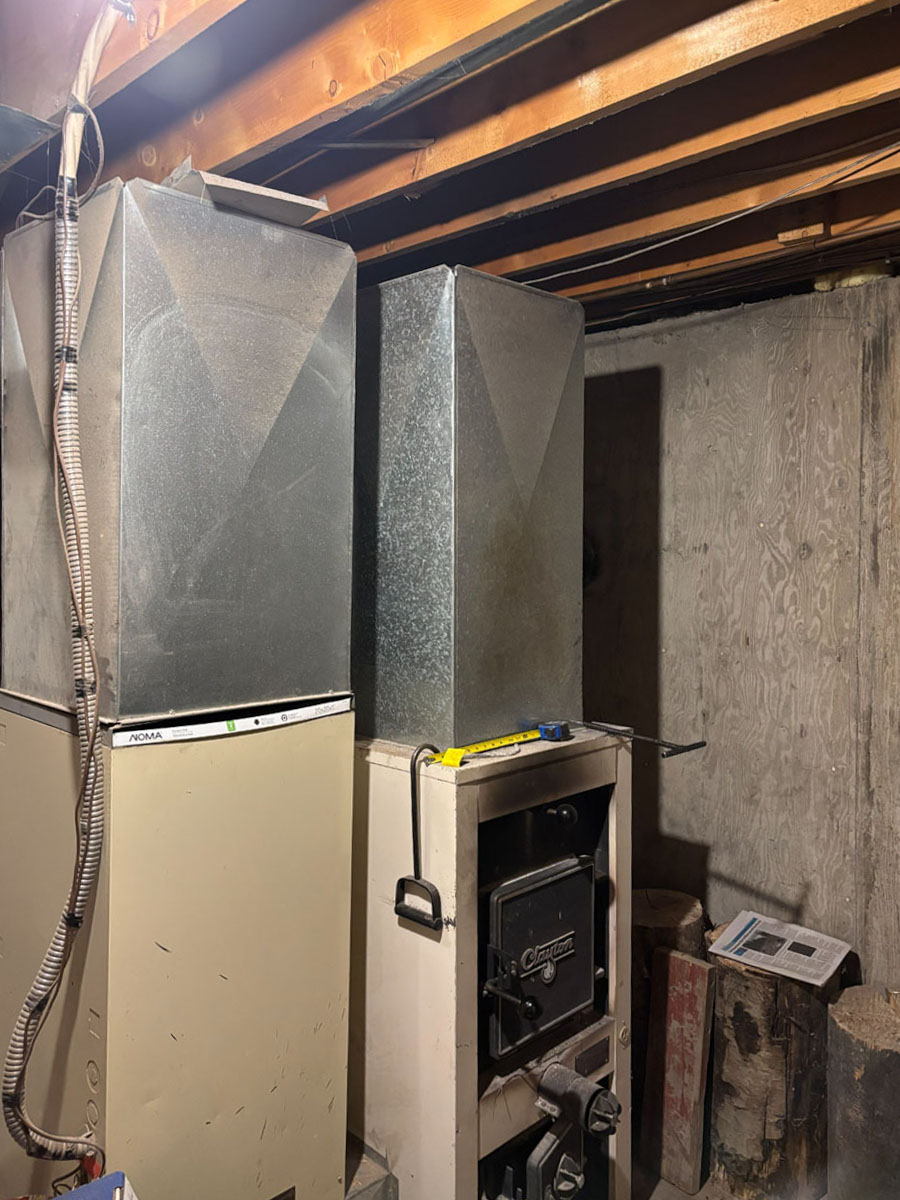
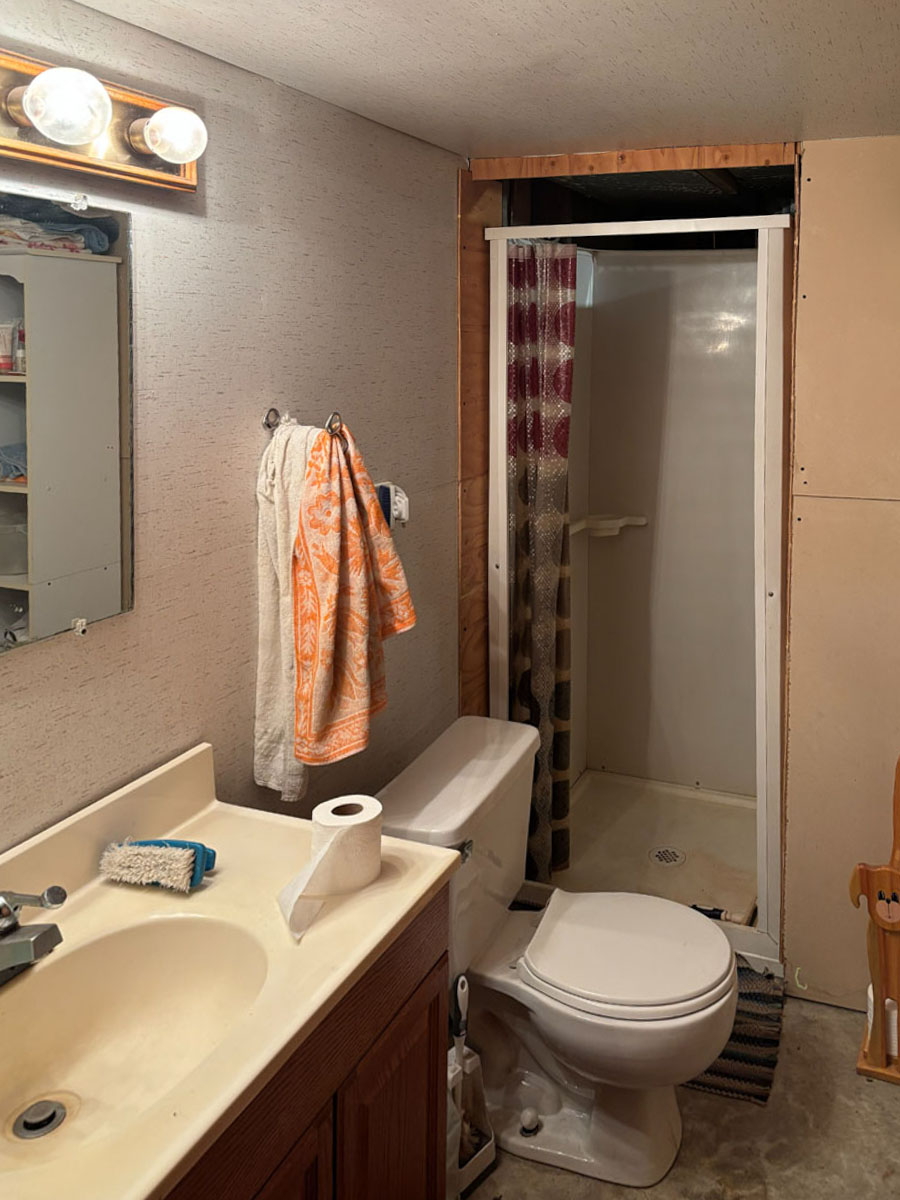
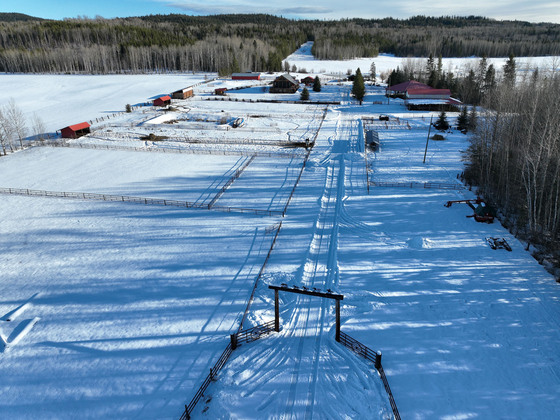
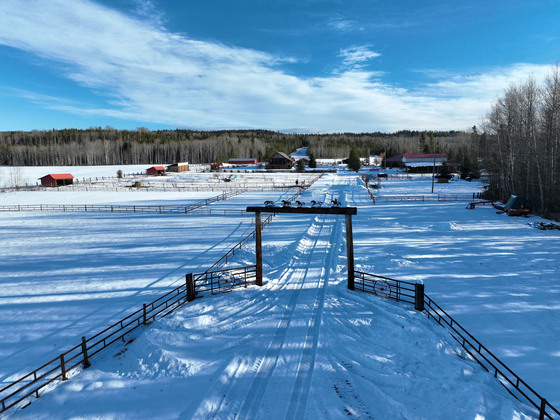
This outstanding 151.82-acre horse breeding ranch, home to the renowned BC Appaloosa Centre, offers a rare opportunity to live and work within one of the most established Appaloosa breeding operations in the world. The property is fully developed for equine use, featuring fenced and cross-fenced pastures, multiple paddocks, outdoor arenas, a covered round pen, stables, and well-designed support infrastructure.
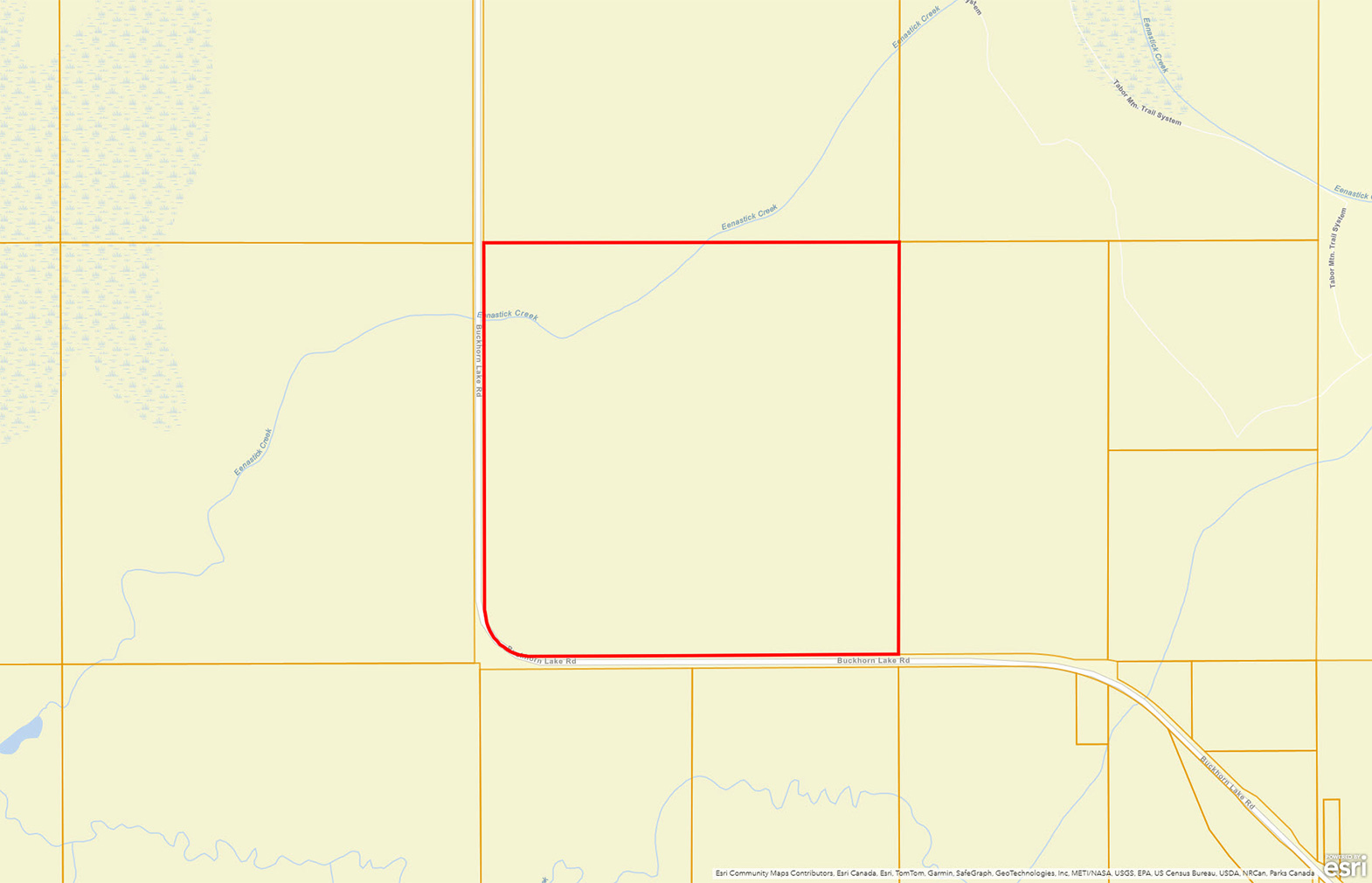
The ranch is recognized internationally for its 4th, 5th and multi-generation Foundation Appaloosas, with approximately 100 head of this distinct and historic breed. A creek with water rights runs through the land, supported by six maintained dugouts for livestock watering. There is direct access off the back of the property to the Tabor Mountain Recreation Area, offering over 250 km of mapped wilderness trails.
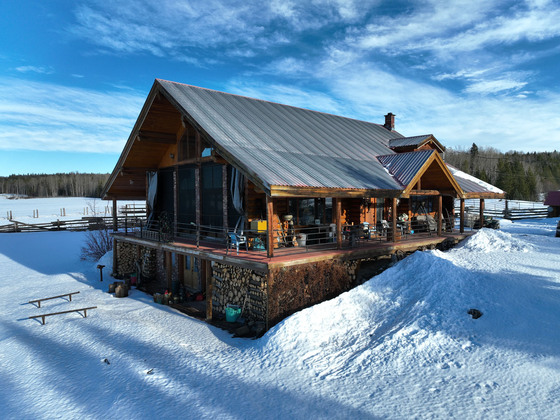
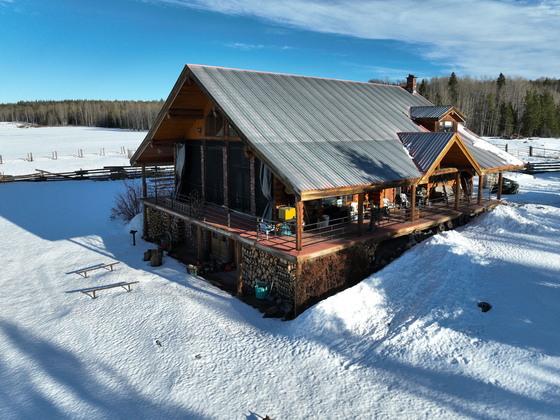
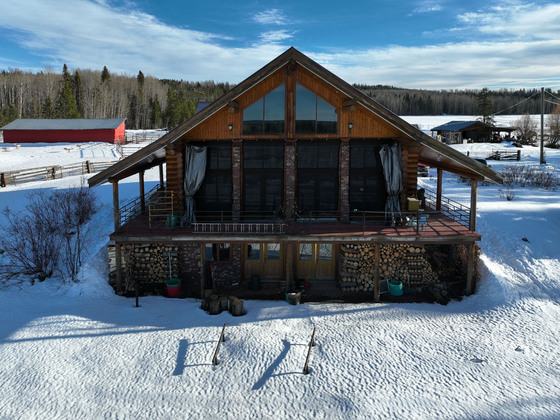
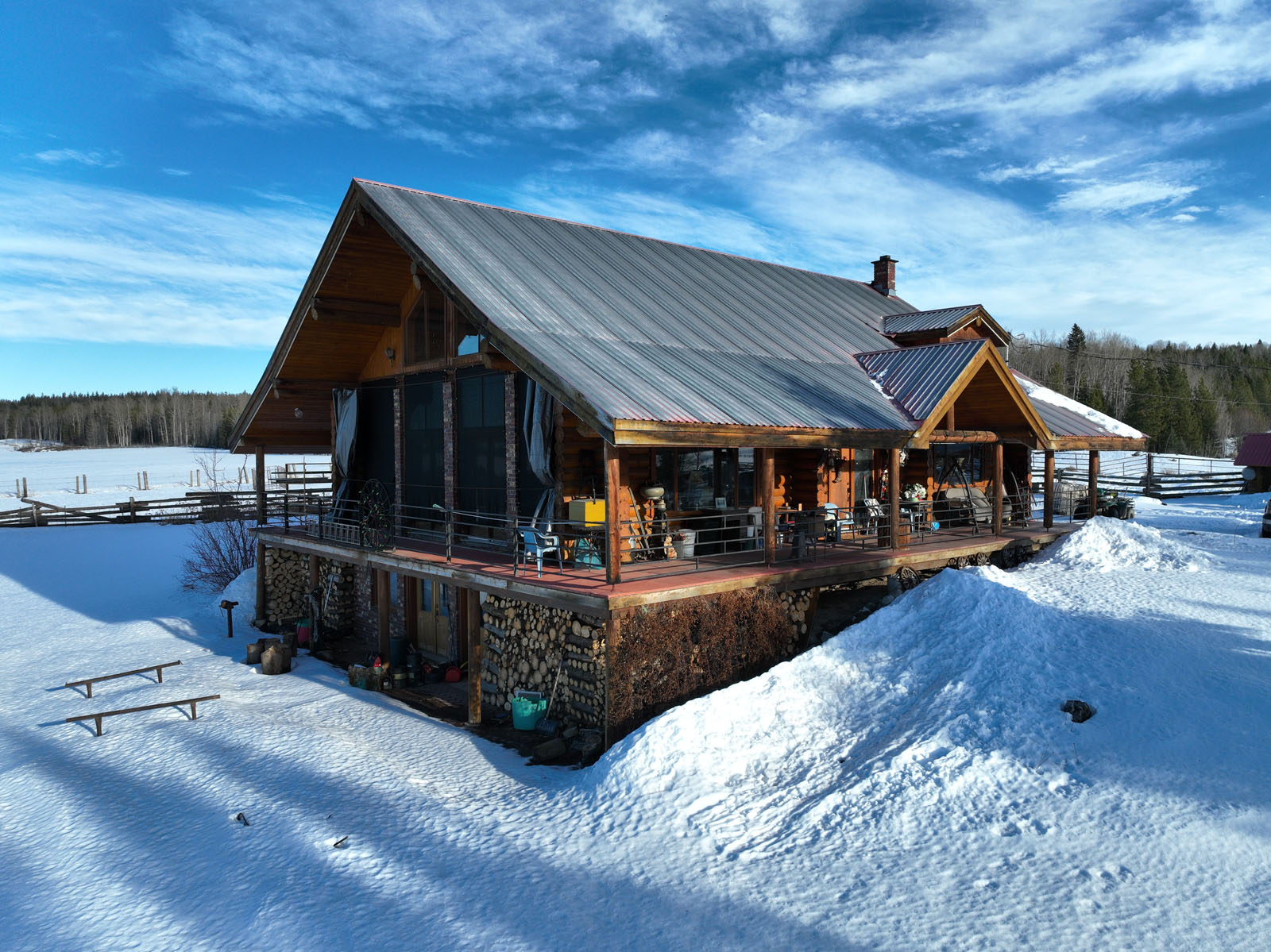
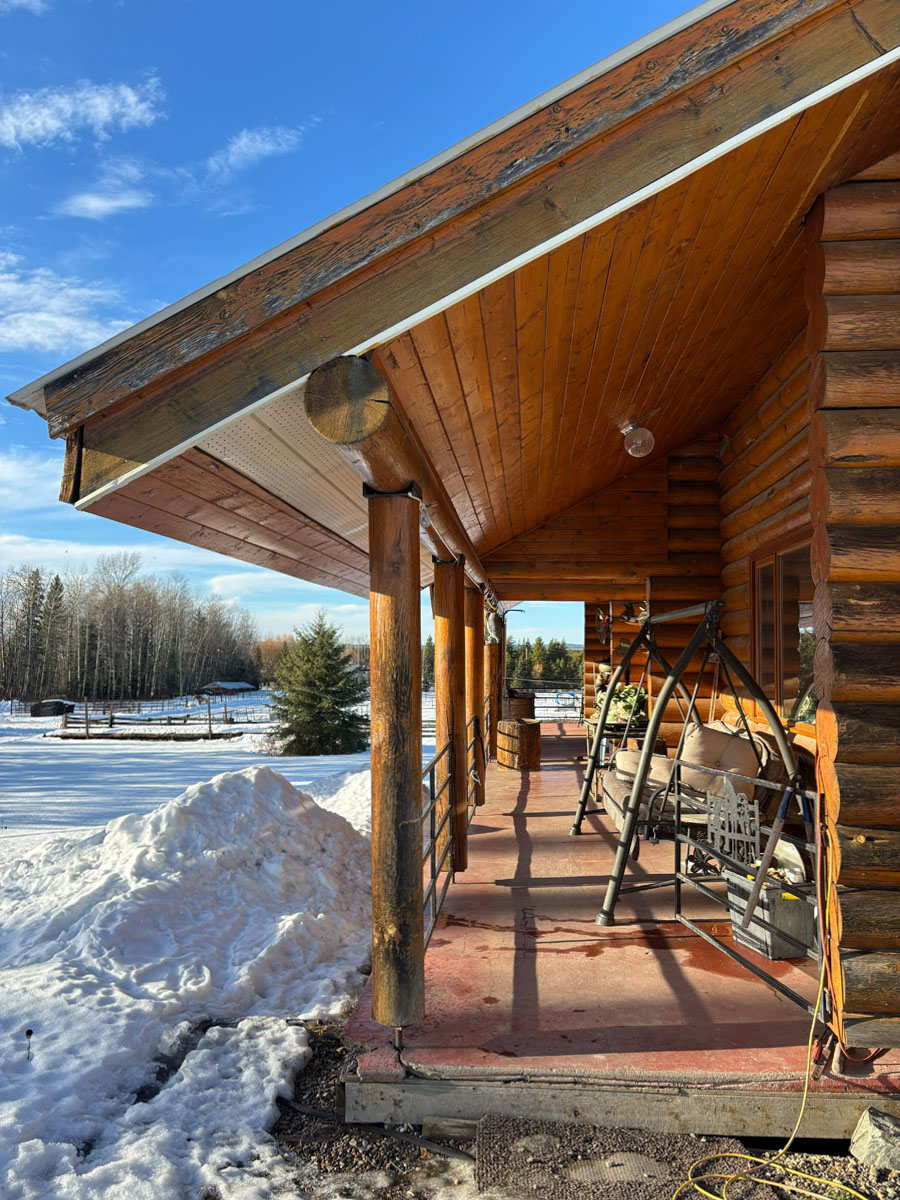
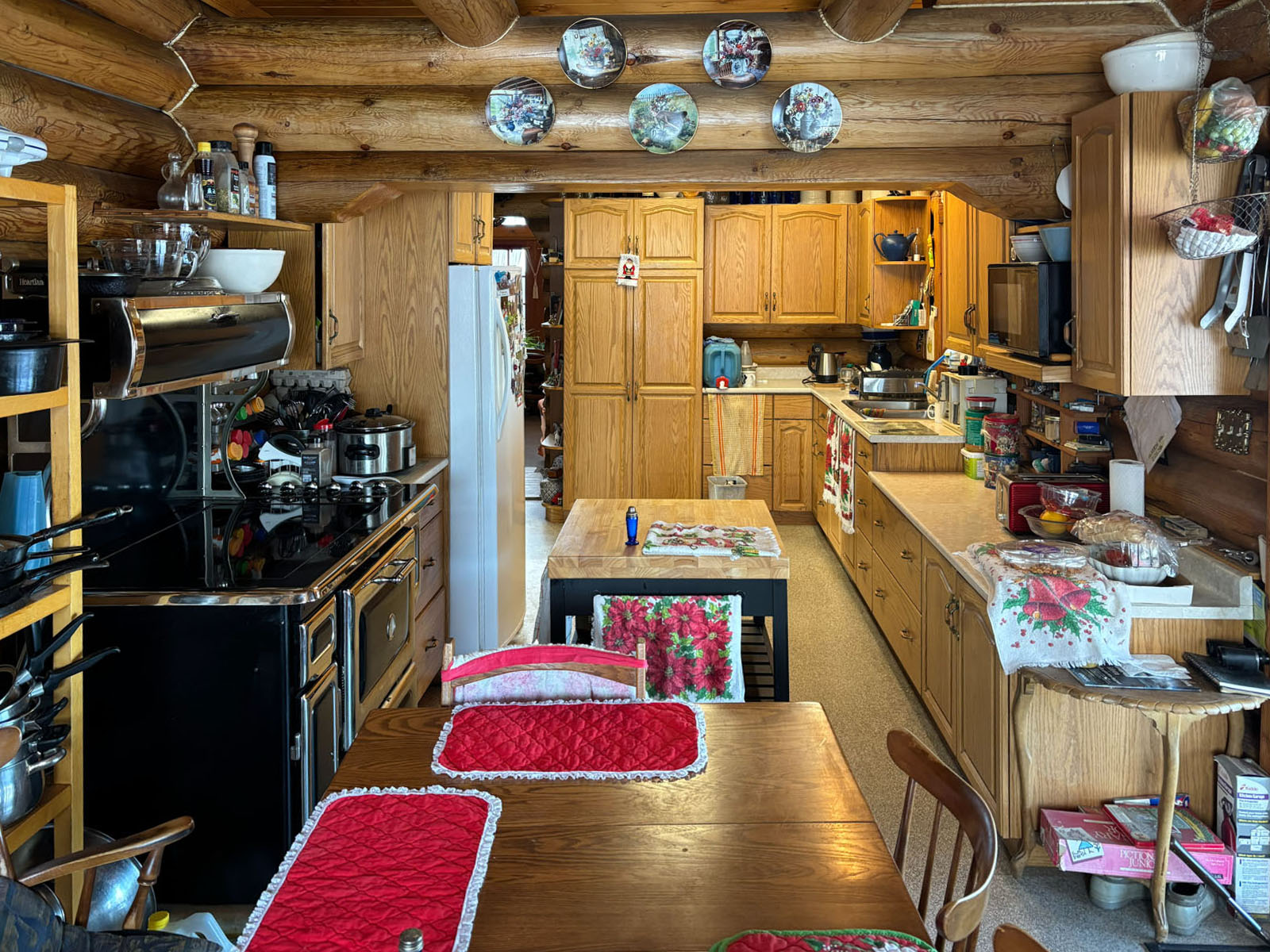
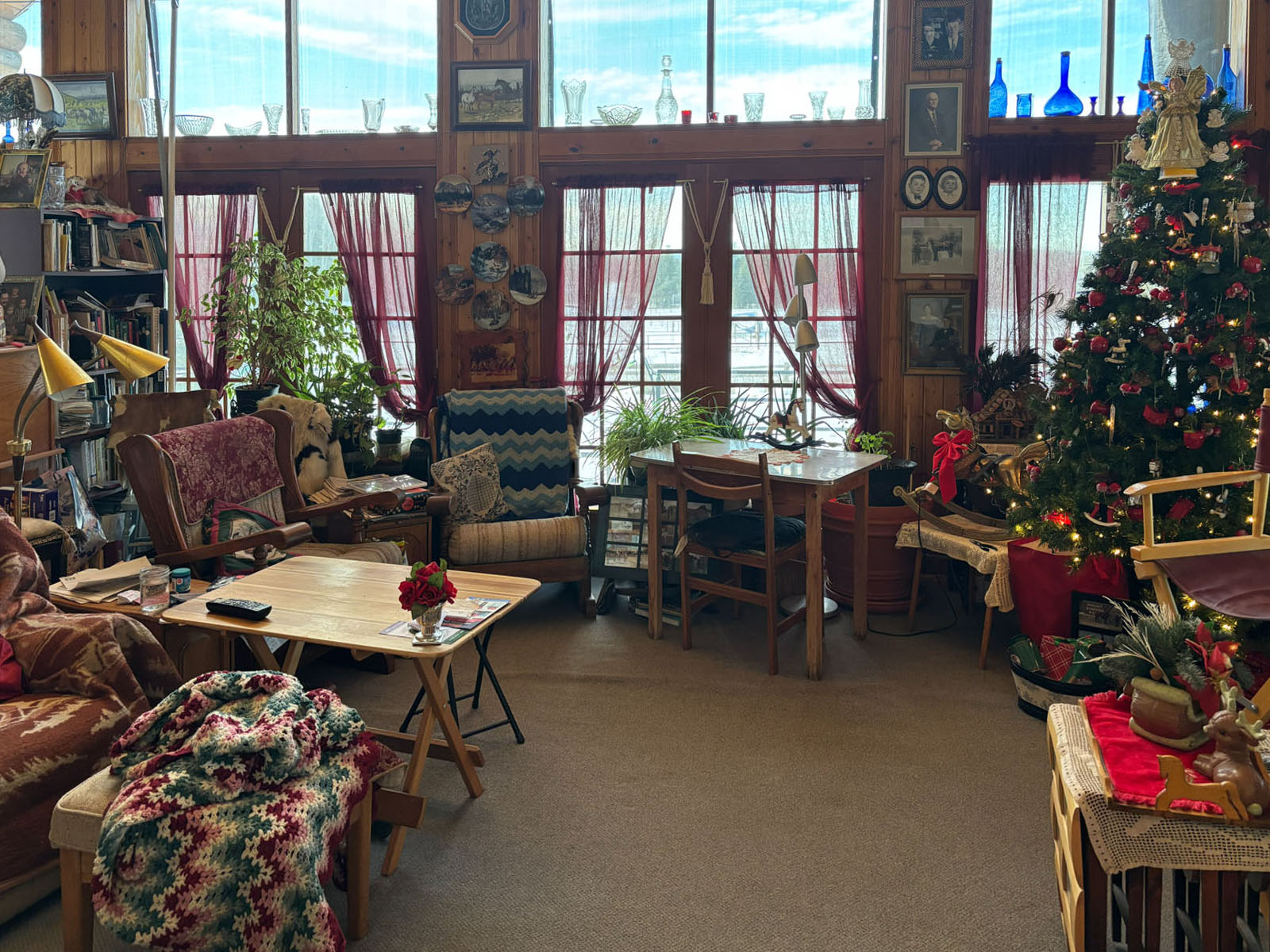
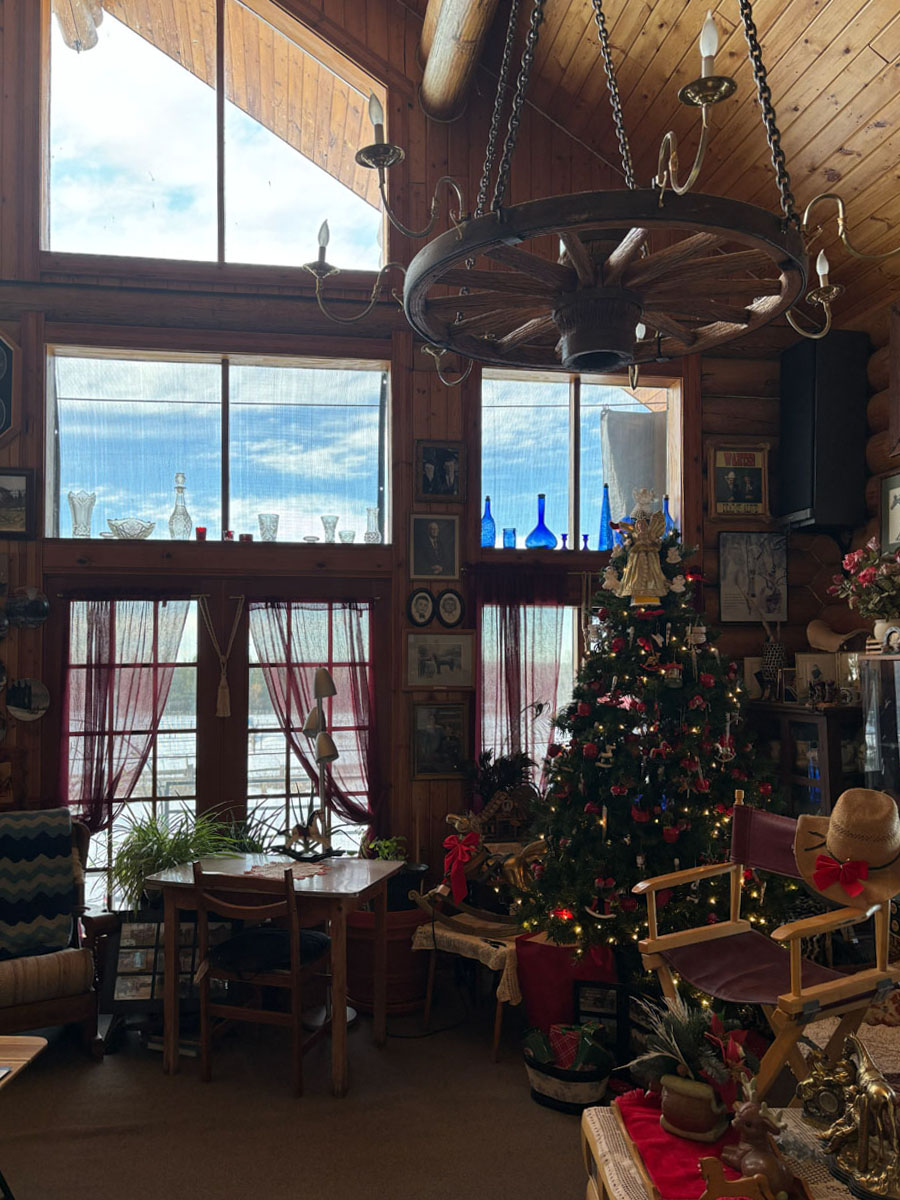
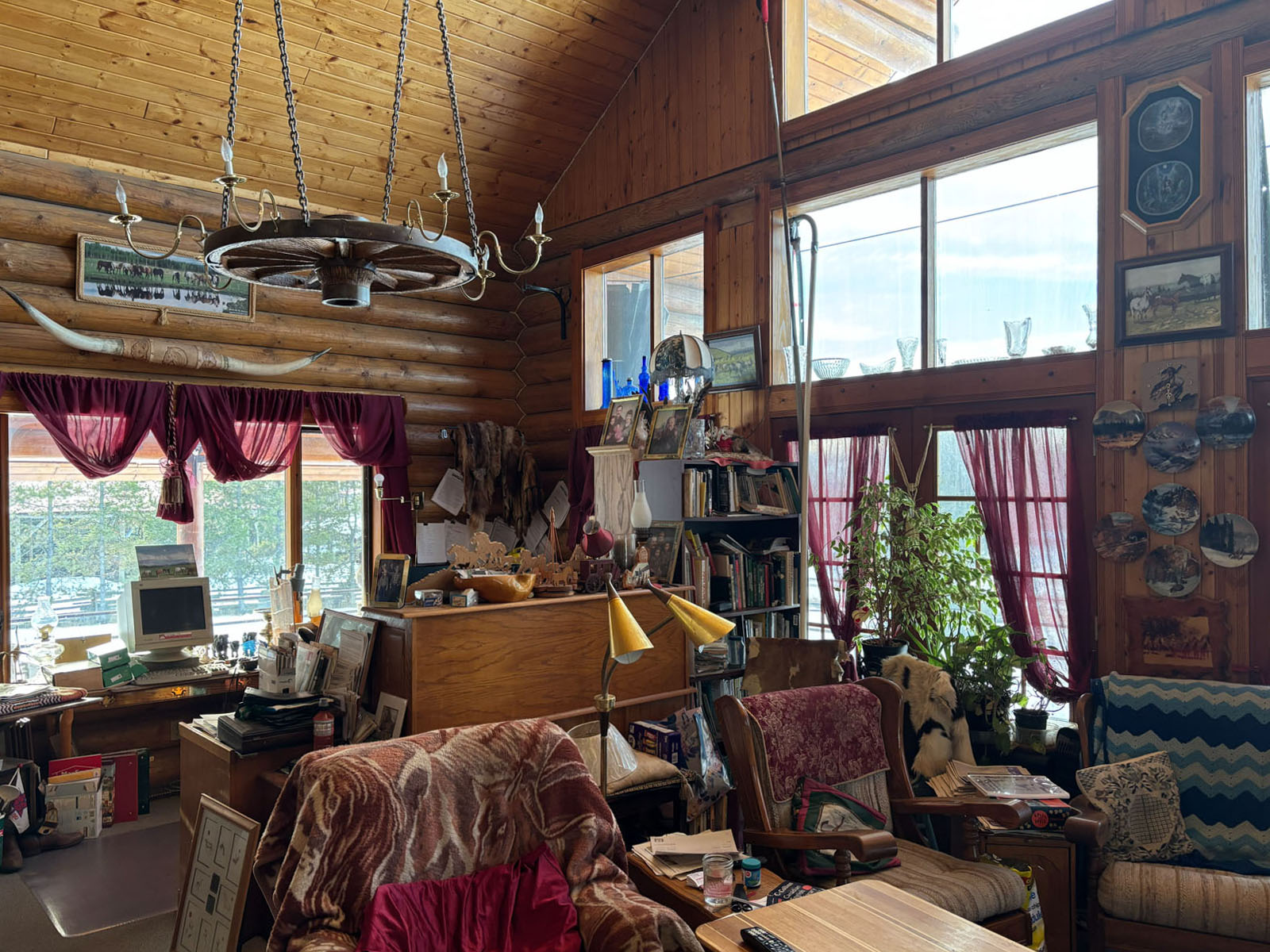
Improvements include a 2,900 sq. ft. custom log home with a full walk-out basement, wraparound deck, open loft, and panoramic views over the rolling terrain. Additional structures include a 40’ x 60’ hay barn, 60’ round riding pen, 60’ x 16’ open-face stables, cedar barn, and the “Silver Eagle Barn” with lighting and running water. A separate 2-acre caretaker or staff property includes a 24’ x 24’ garage ready for a mobile home.
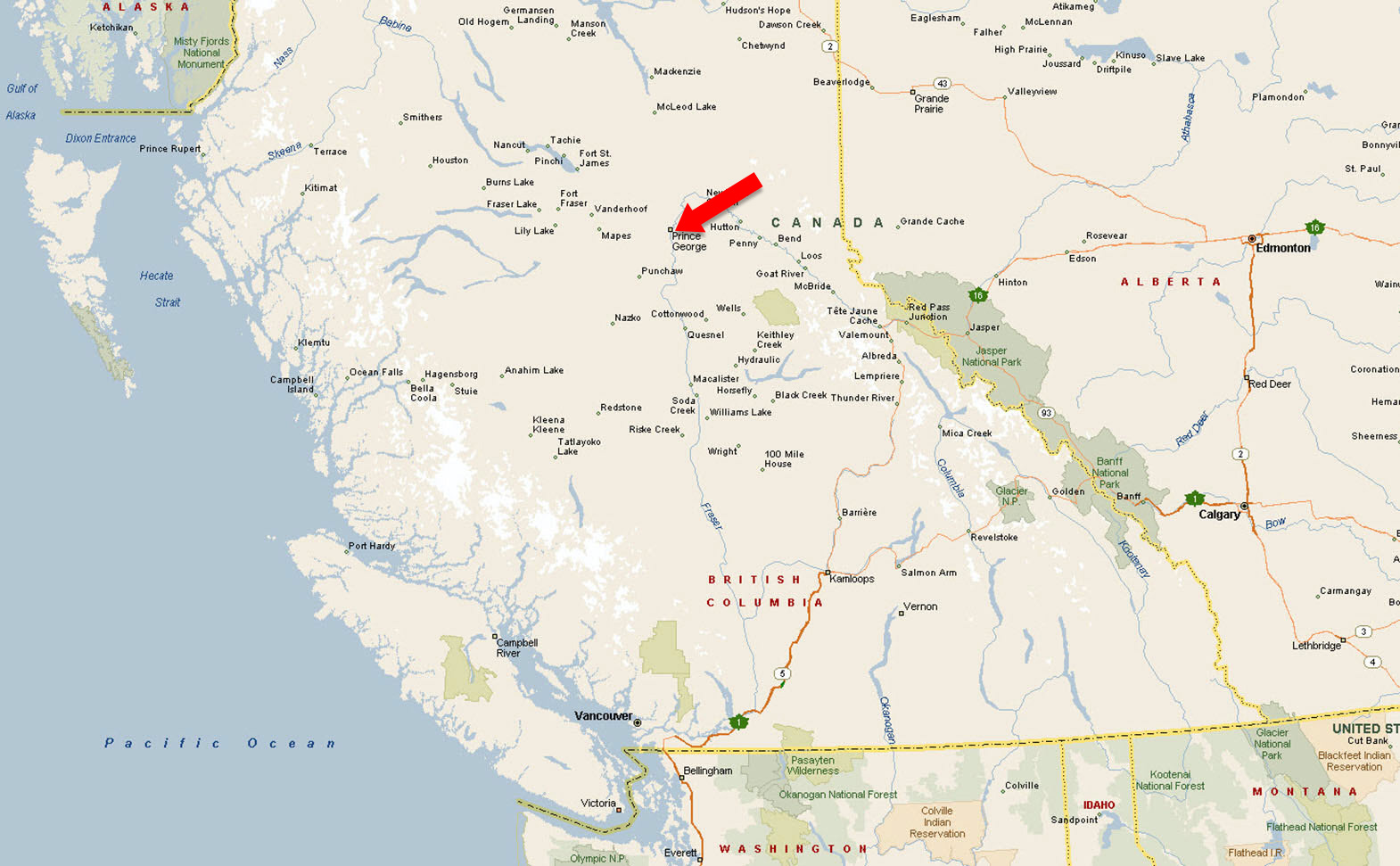
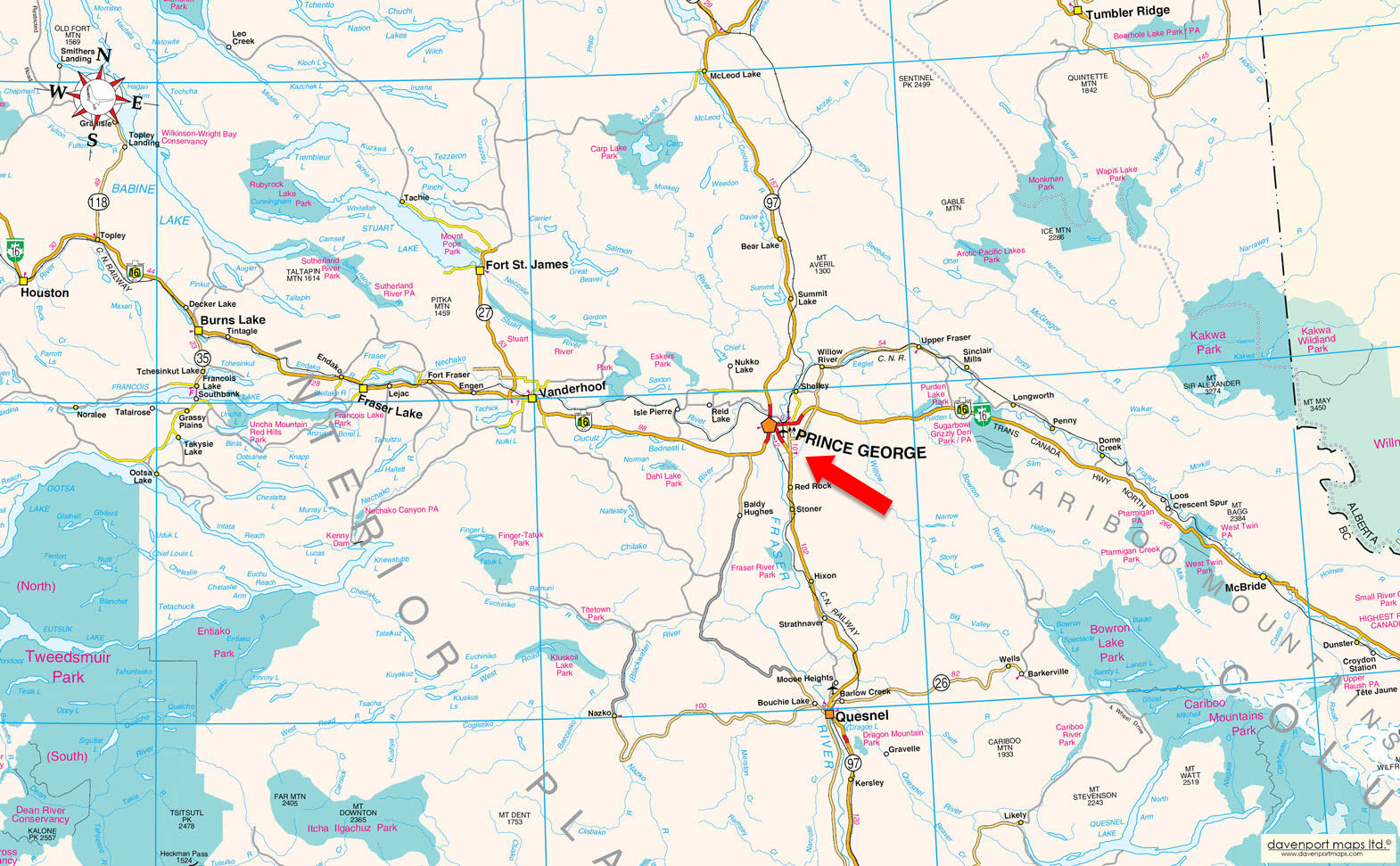
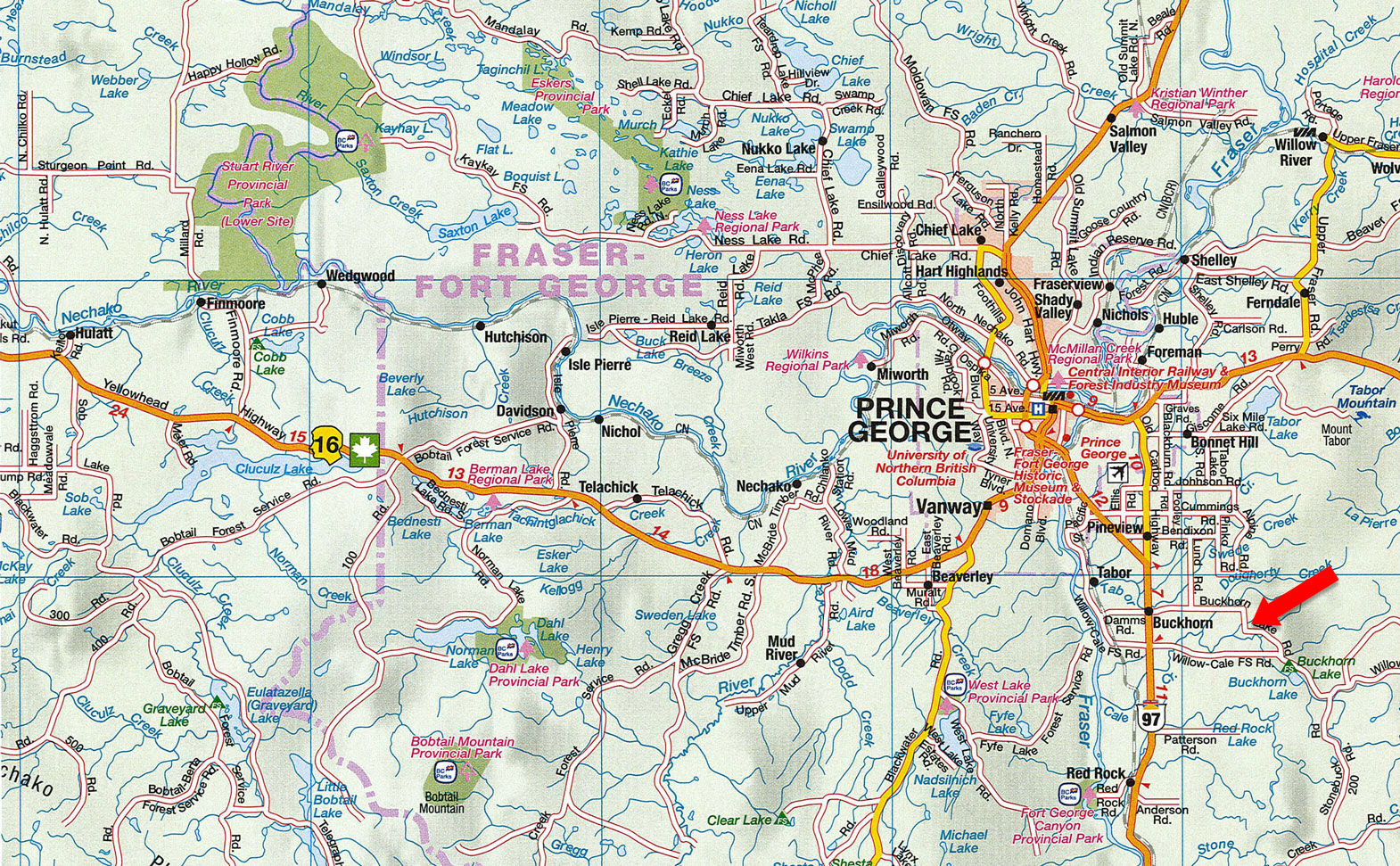
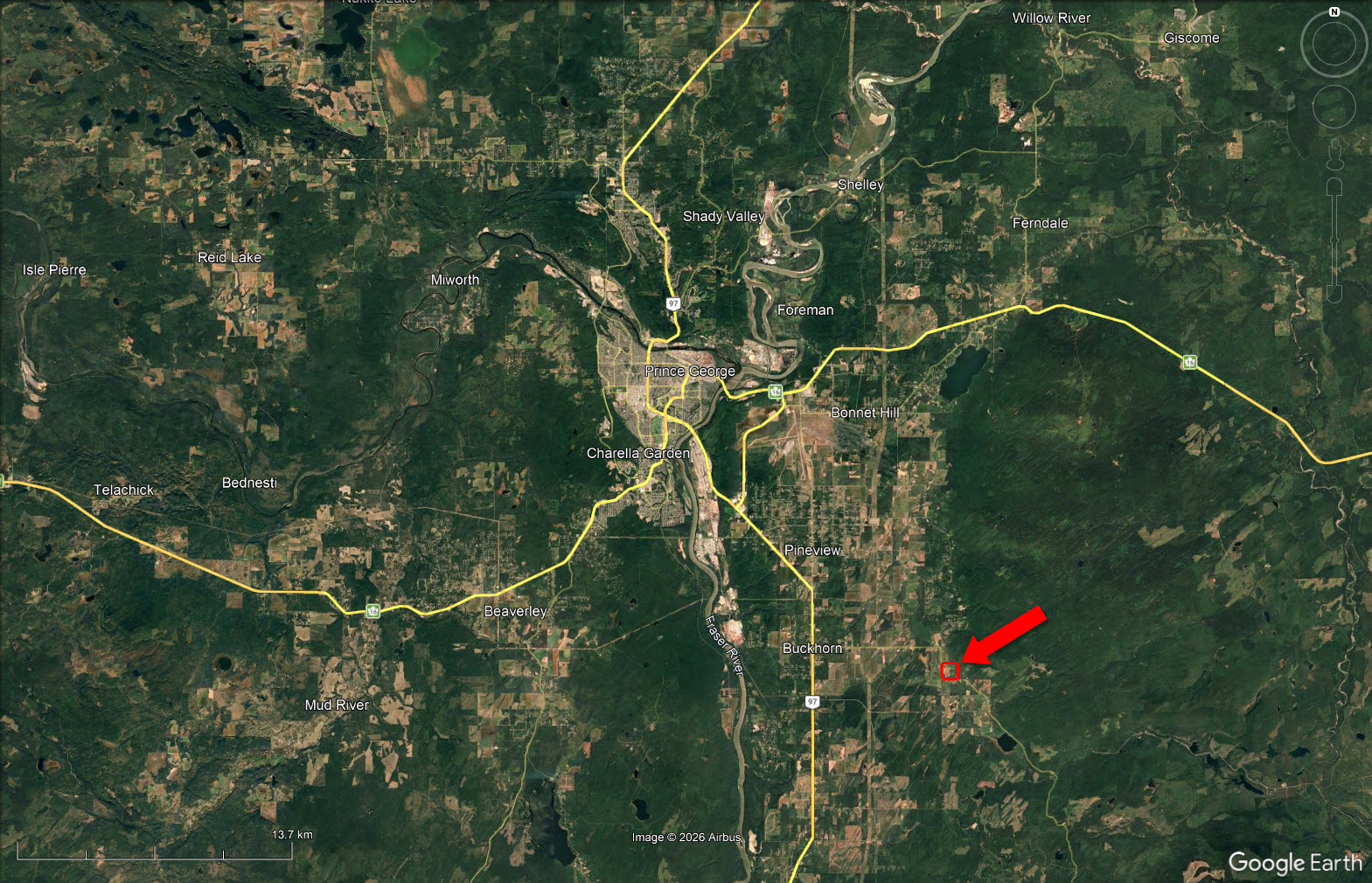
Located approximately 60 miles east of the geographic centre of British Columbia, just outside Prince George, this ranch also hosts country-themed weddings and events in the summertime, adding income potential. The University of Northern British Columbia is a quick drive downtown and Buckhorn Lake Road is always maintained in winter to service the bus route to nearby Buckhorn Elementary School. This is a rare turnkey equestrian operation combining lifestyle, legacy breeding, and income opportunities in a premier central BC location.
At the B.C. Appaloosa Centre, the focus is simple and deliberate—to raise exceptional, well-rounded Appaloosas that reflect both quality breeding and heritage. Through a carefully structured selection and breeding program aimed at achieving purebred status—four or more generations of Appaloosas on both sides—the Centre has developed one of the most advanced programs in the country. The results are evident in a consistently high percentage of beautifully coloured foals, known for their trainability, temperament, and versatility.
Using meticulously selected foundation breeding stock tracing back to the original registered Appaloosas—prior to the draft cross program introduced following the Nez Perce surrender—the Centre has built a herd recognized as a leader within the Appaloosa Horse Club of Canada. This dedication produced ten National Top Ten achievers in both 2001 and 2002. These three-generation modern-type Appaloosas display distinctive, contrasting coat patterns that reproduce with remarkable consistency, including an 85% colour rate in the 2005 foal crop.
The B.C. Appaloosa Centre proudly produces internationally recognized horses, exporting award-winning Appaloosas around the world. Among them is Crystal Chandlier, named Supreme Champion at the British Appaloosa National Show. Detailed research and record-keeping ensure buyers can invest with confidence, supported by proven performance and traceable lineage. Comprehensive herd health protocols allow for group quarantine and seamless export arrangements through trusted agencies, ensuring reliable and worry-free delivery.
Horses at the Centre are raised in as natural an environment as possible. Mares graze on approximately 150 acres of seeded range, giving foals the space to develop naturally with minimal interference. Weaning occurs in late autumn, followed by feeding high-quality alfalfa hay and whole oats. In spring, young horses are turned out with an experienced gelding in bush pasture, encouraging coordination, muscle development, and social learning. Early handling focuses only on essentials—leading and hoof care—aided by generations of selective breeding for calm, cooperative dispositions.
Rooted in passion, history, and integrity, the Jackson family built this program from the ground up. Driven by the desire to establish true purebred Appaloosas, Howard Jackson began shaping a breeding legacy that is now in a class of its own. Guided by some of the most stringent breeding standards in the world, the program reflects decades of dedication without compromise.
Today, the ranch maintains approximately 100 horses, producing 35-45 foals annually, and has been thoughtfully scaled to suit the family’s lifestyle. It represents not only a breeding program, but an opportunity to be part of a lineage—and a lifestyle—deeply rooted in the heritage and future of the Appaloosa horse.
12090 Buckhorn Lake Road - Prince George, BC
From Vancouver, drive east on Highway 1 or north via Highway 5 and continue to connect with Highway 97 northbound, following it through the Interior and Cariboo region toward Prince George. The drive is approximately 784 km and takes about 8 hours 40 minutes under typical conditions.
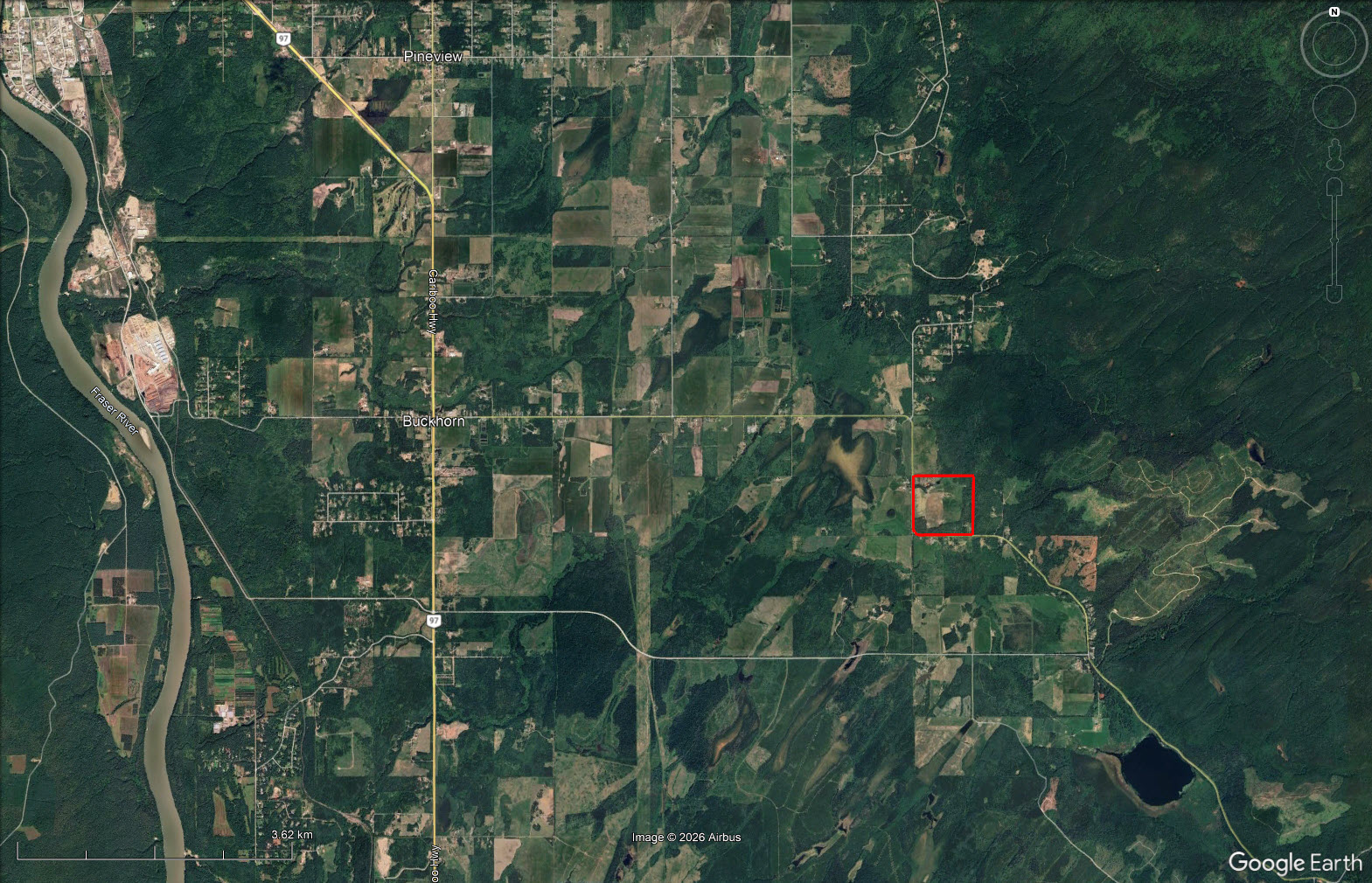
As you approach south of the city you will turn right on Buckhorn Lake Road, then follow this for several kilometres before arriving at the property.
The area surrounding the property is in a rural setting southeast of Prince George, characterized by open countryside, forested Crown land, and agricultural properties. The landscape reflects glacially shaped terrain with low relief plains, stream valleys, and mixed soils supporting spruce, fir, pine, and other boreal forest vegetation, along with warm summers, cold winters, and a short frost-free growing season typical of central British Columbia.
Nearby Buckhorn Lake offers quiet outdoor recreation, including fishing for rainbow trout and other species, with campground facilities and access via forest service roads that connect into the wider backcountry.
The vegetation in the area reflects the Sub-Boreal Spruce biogeoclimatic zone that dominates the central interior plateau. This landscape is characterized by upland coniferous forests shaped by a continental climate with long snowy winters and short warm summers. Mature stands are typically dominated by white or hybrid spruce and sub-alpine fir, with lodgepole pine common on drier sites and trembling aspen or paper birch appearing in younger or disturbed areas.
Understory vegetation is diverse and varies with moisture conditions. Forest floors commonly support shrubs such as kinnikinnick, soopolallie, willows, scrub birch, and berry species including blueberry, huckleberry, cranberry, and thimbleberry, along with grasses, ferns, mosses, and lichens. Wetland and riparian pockets introduce sedge and moss communities, with species like black spruce or cottonwood appearing in wetter areas.
Overall, the area presents a mixture of conifer forest, regenerating pine-aspen stands, shrubby berry-rich understory, and wetland vegetation—typical of the rolling plateau ecosystems around Prince George—creating productive wildlife habitat and a distinctly northern interior woodland character.
The Buckhorn Lake/Tabor Mountain area offers a wide range of year-round outdoor recreation centered on lakes, forests, and nearby trail systems. Buckhorn Lake itself provides opportunities for paddling, wildlife viewing, and seasonal fishing, with nearby small lakes in the region also popular for quiet angling and canoeing. The surrounding Crown land and forest service roads support hiking, trail riding, ATV use, and hunting in season.
Just a short drive away, the Tabor Mountain Recreation Area features developed and informal trails used for mountain biking, hiking, trail running, and horseback riding in the warmer months. In winter, the same terrain is used for snowmobiling and snowshoeing, with downhill skiing available at the nearby ski hill.
Closer to Prince George, residents have access to extensive amenities including multi-use trail networks, golf courses, organized sports facilities, and access points to the Fraser and Nechako Rivers for boating and fishing. Camping, backcountry exploration, and wildlife photography are also common pursuits throughout the surrounding lakes district.
The southeast side of Prince George—including the rural and semi-rural areas out toward places like Buckhorn Lake, Tabor Mountain, and the surrounding countryside—shares much of the broader history of the Prince George region, but with its own agricultural and settlement character.
Long before European settlement, the region was part of the traditional territory of Indigenous peoples, primarily the Lheidli T’enneh (Dakelh/Carrier). They lived along the rivers and lakes for thousands of years, using the forests and waterways for travel, fishing, hunting, and seasonal gathering. The nearby Fraser and Nechako river systems were major travel corridors and food sources, and the land in the southeast hinterland would have been used for hunting and resource harvesting. This cultural presence continues today, with the Lheidli T’enneh Nation maintaining deep ties to the area.
European influence began in the early 1800s with the fur trade, when traders from the North West Company and later the Hudson’s Bay Company established posts in the region—most notably Fort George near the river confluence. These posts drew attention to the surrounding landscape, though settlement remained sparse at first.
More substantial non-Indigenous settlement arrived in the early 1900s. The construction of the Grand Trunk Pacific Railway (completed through the region in 1914) opened the interior to farming, forestry, and town development. Prince George emerged as a service and transportation hub, and rural districts to the southeast began to see homesteading and small-scale agriculture as settlers cleared land and established farms and ranches.
Through the mid-20th century, forestry and resource industries shaped the region’s growth. Logging and sawmills expanded across the plateau, bringing roads and infrastructure that made rural residential development more practical. Areas outside the city core—including the southeast—gradually evolved into a mix of farms, acreages, and recreational properties connected to the regional economy.
Today, the southeast Prince George area reflects layers of this history: longstanding Indigenous stewardship, early transportation and fur-trade influences, agricultural settlement patterns, and the continuing role of forestry and rural living in shaping the landscape and community identity.
53°46'58.45"N and 122°33'8.29"W
$2,713.21 (2025)
RU2
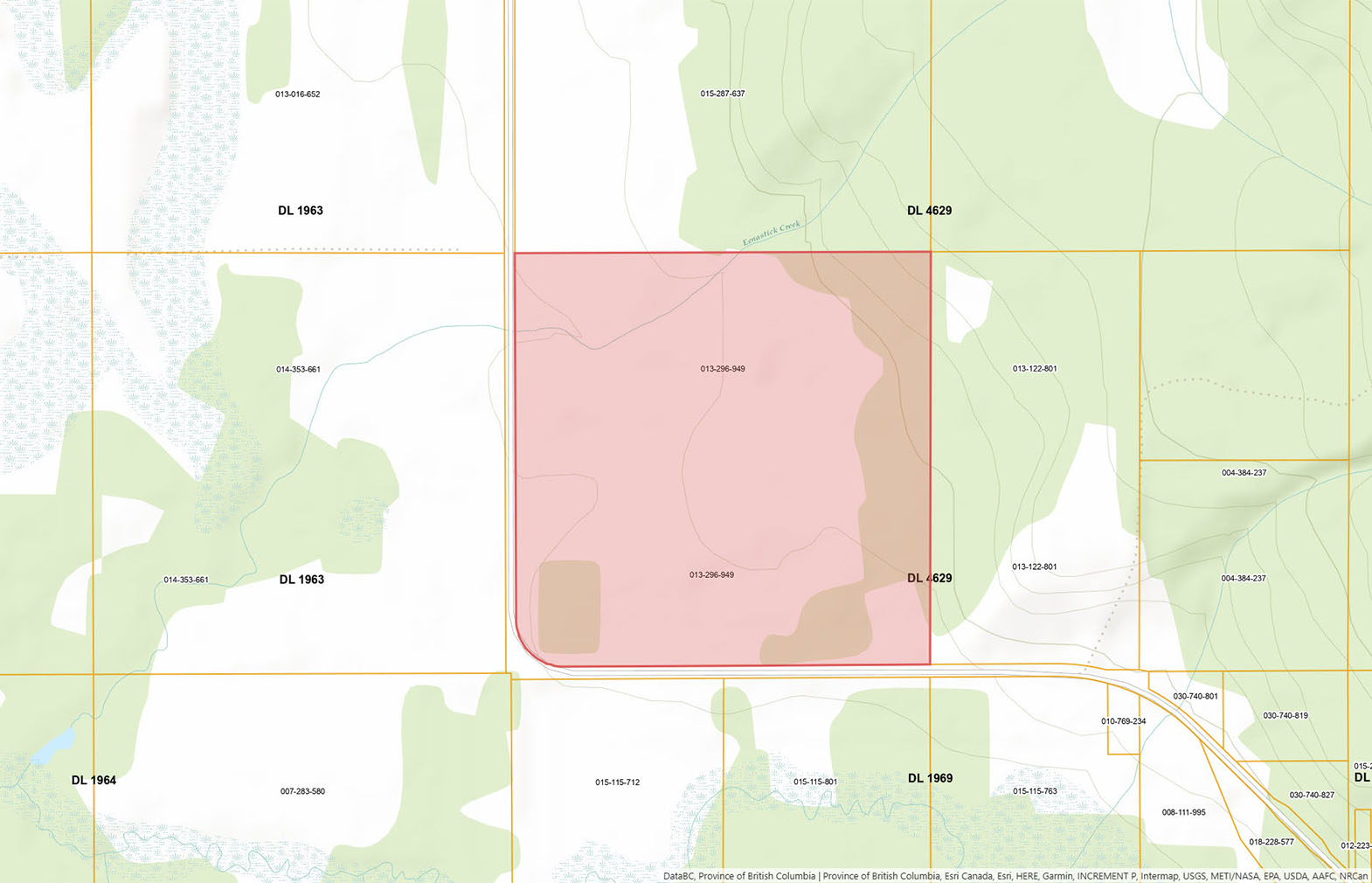
THE SOUTH WEST 1/4 OF DISTRICT LOT 4629 CARIBOO DISTRICT EXCEPT PLAN PGP40680
PID 013-296-949
 +8 maps
Our property descriptions and geographical information are taken from the BC Assessment Authority, Land Titles Office, government maps and other sources. While LandQuest® does not guarantee the information, we believe it to be accurate, but should not be relied upon without verification. This communication is not intended to cause or induce breach of an existing agency agreement.
Stoner
 0℃
0℃
 0℃
0℃