


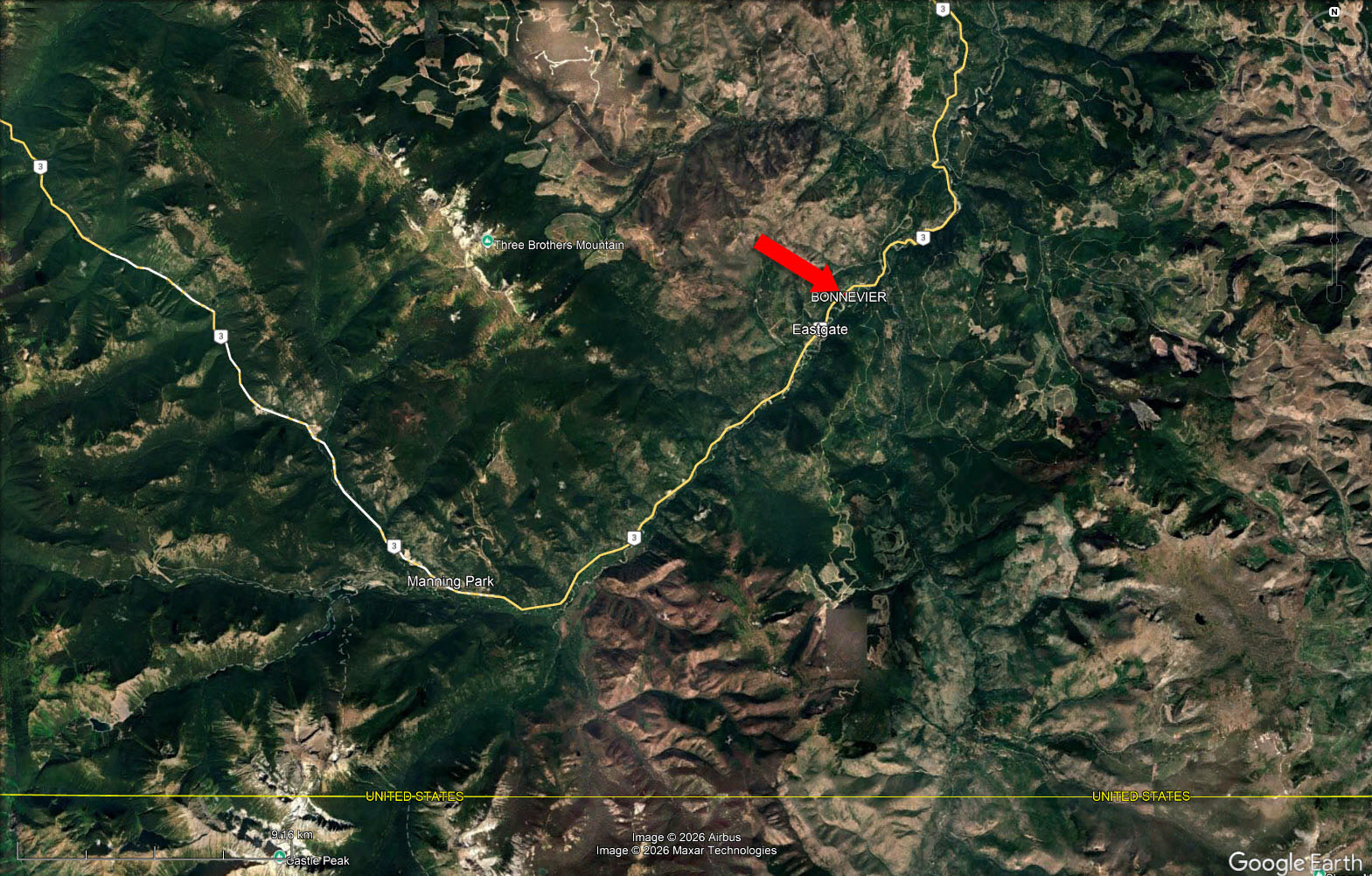
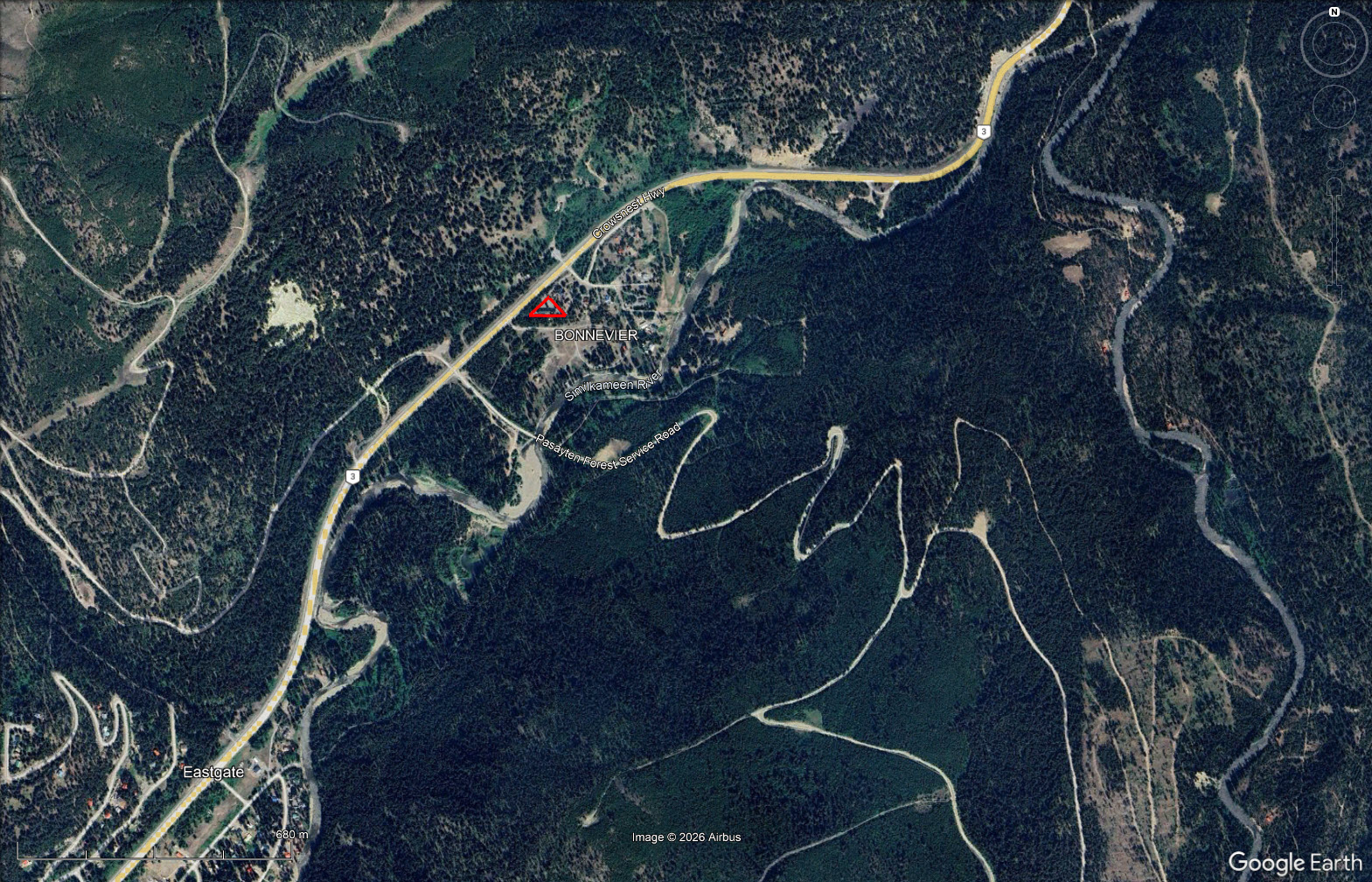
Located near the Similkameen River and the Pasayten Wilderness Area. Direct access to year-round outdoor recreation including hiking and fishing. CT1 Tourist Commercial zoning supports revenue or personal-use accommodation.
Foreign Buyer Ban does not apply to this property
 +35 photos
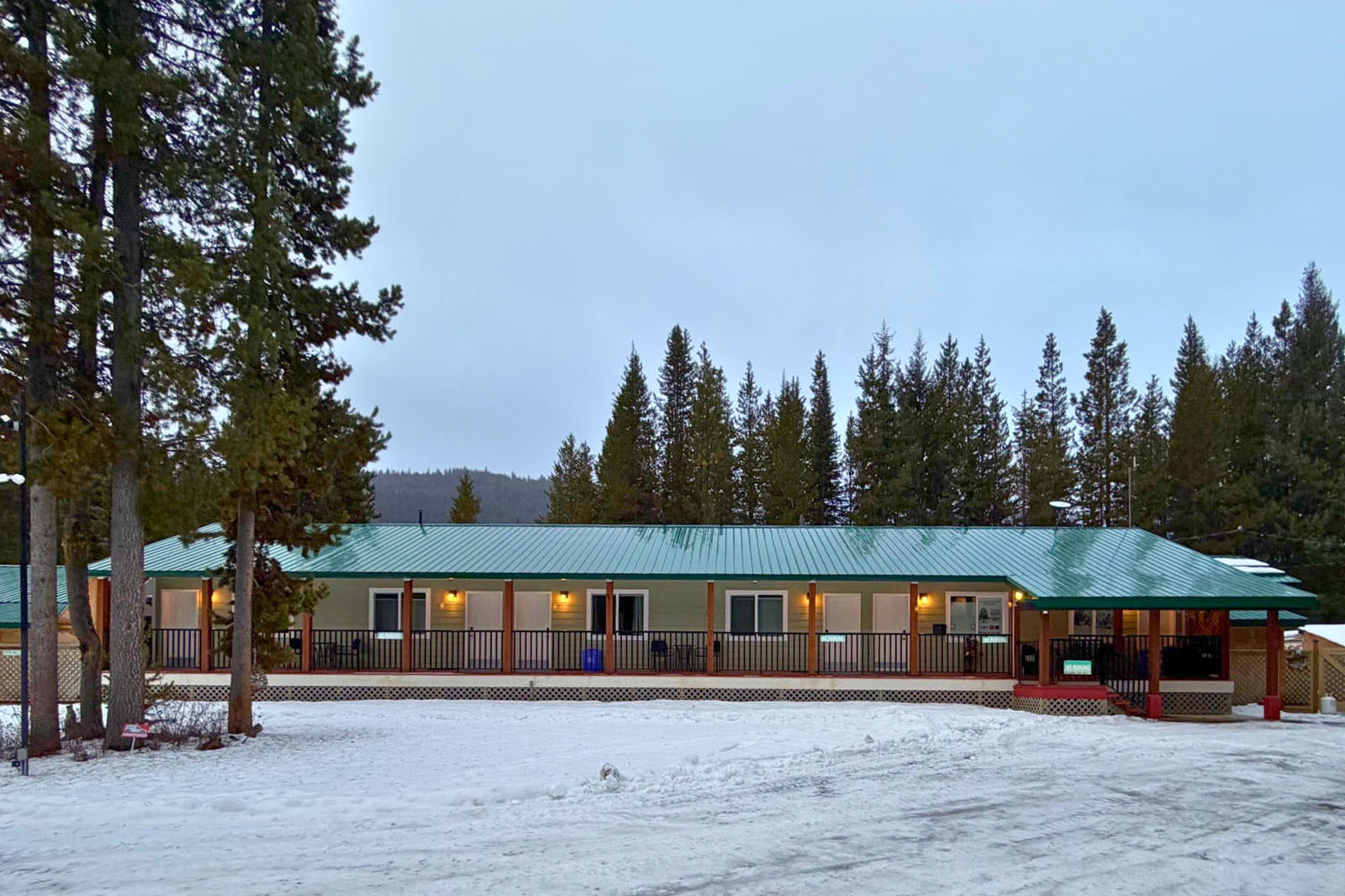
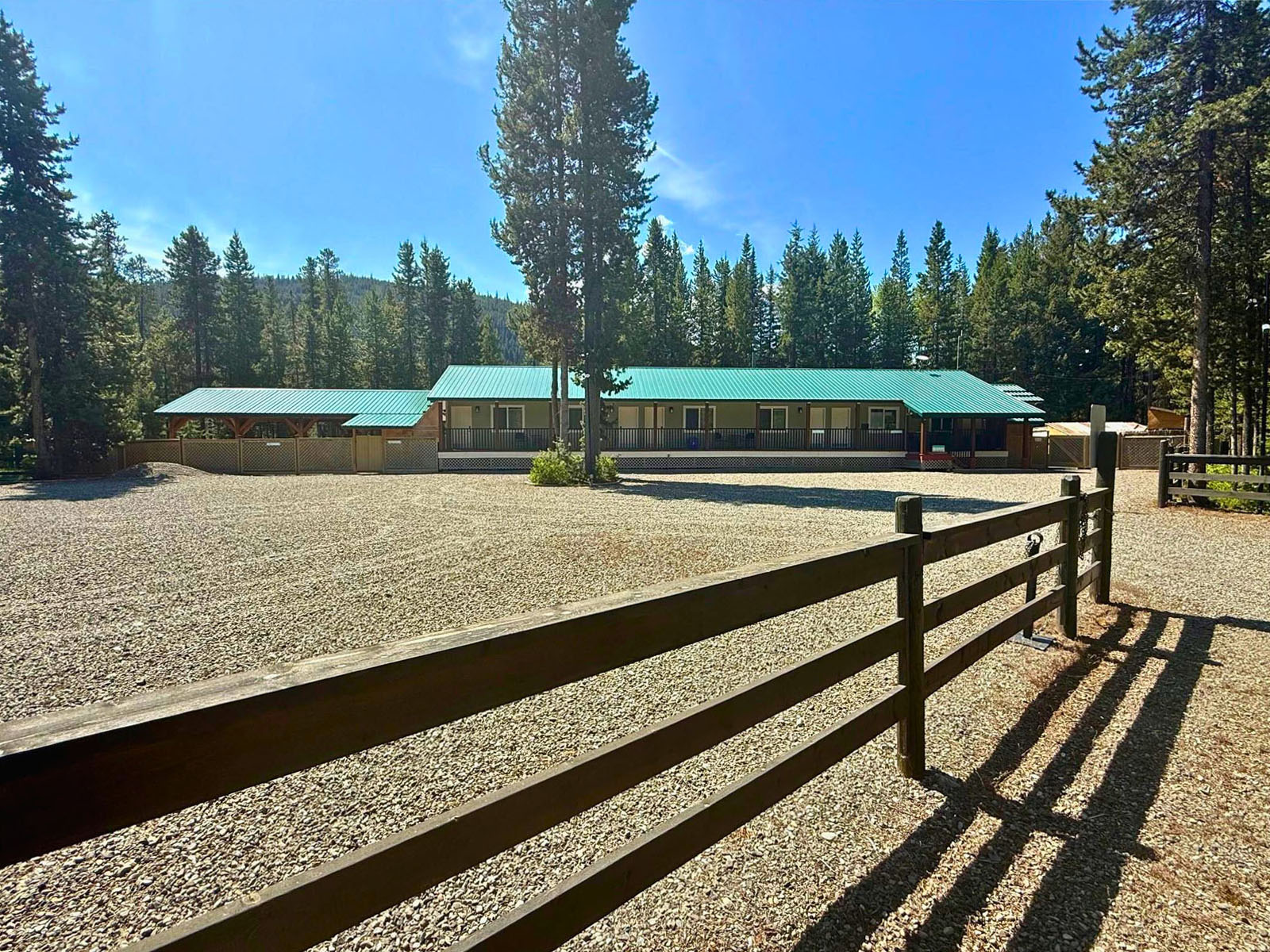
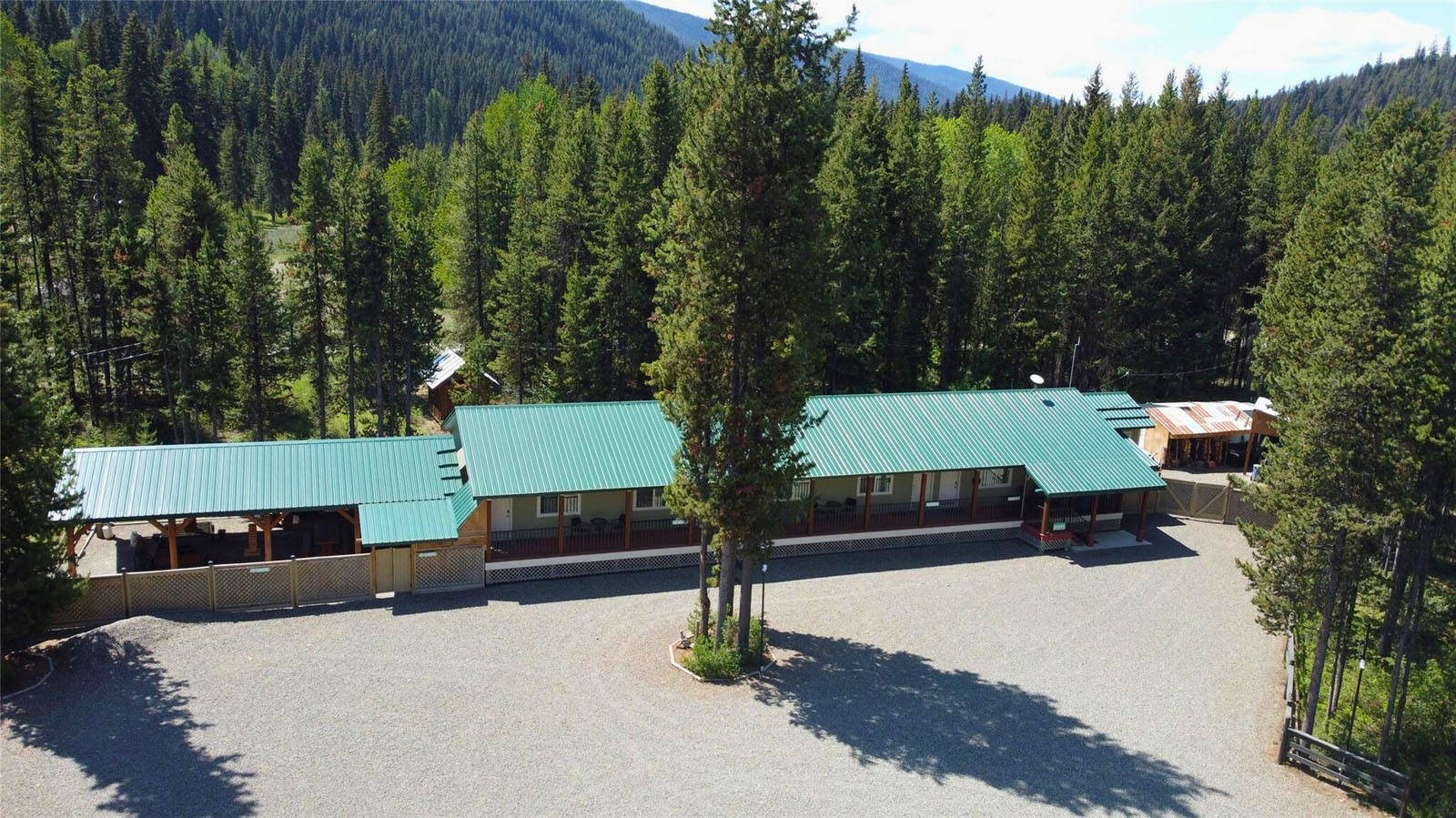
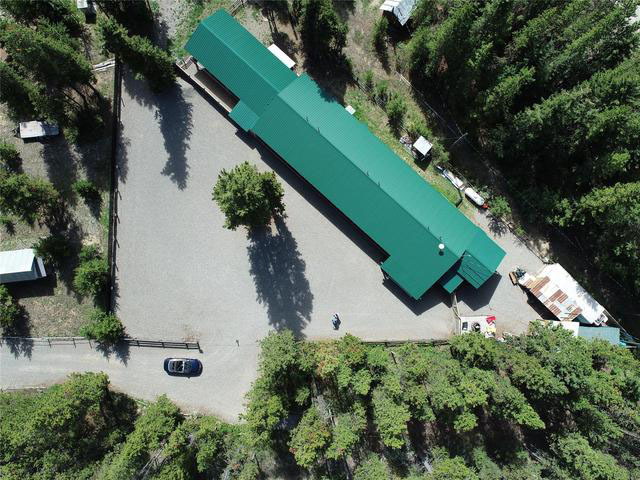
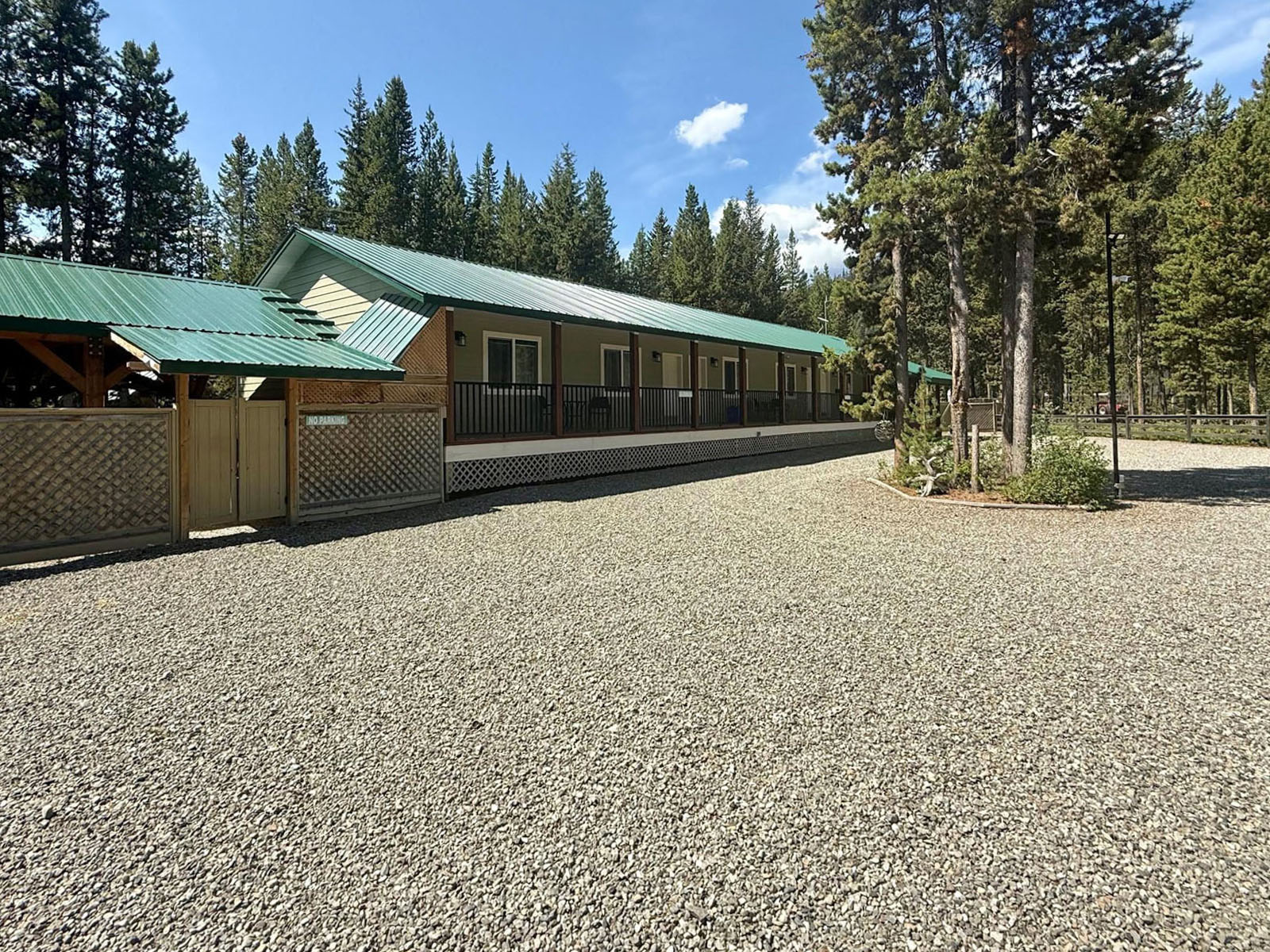
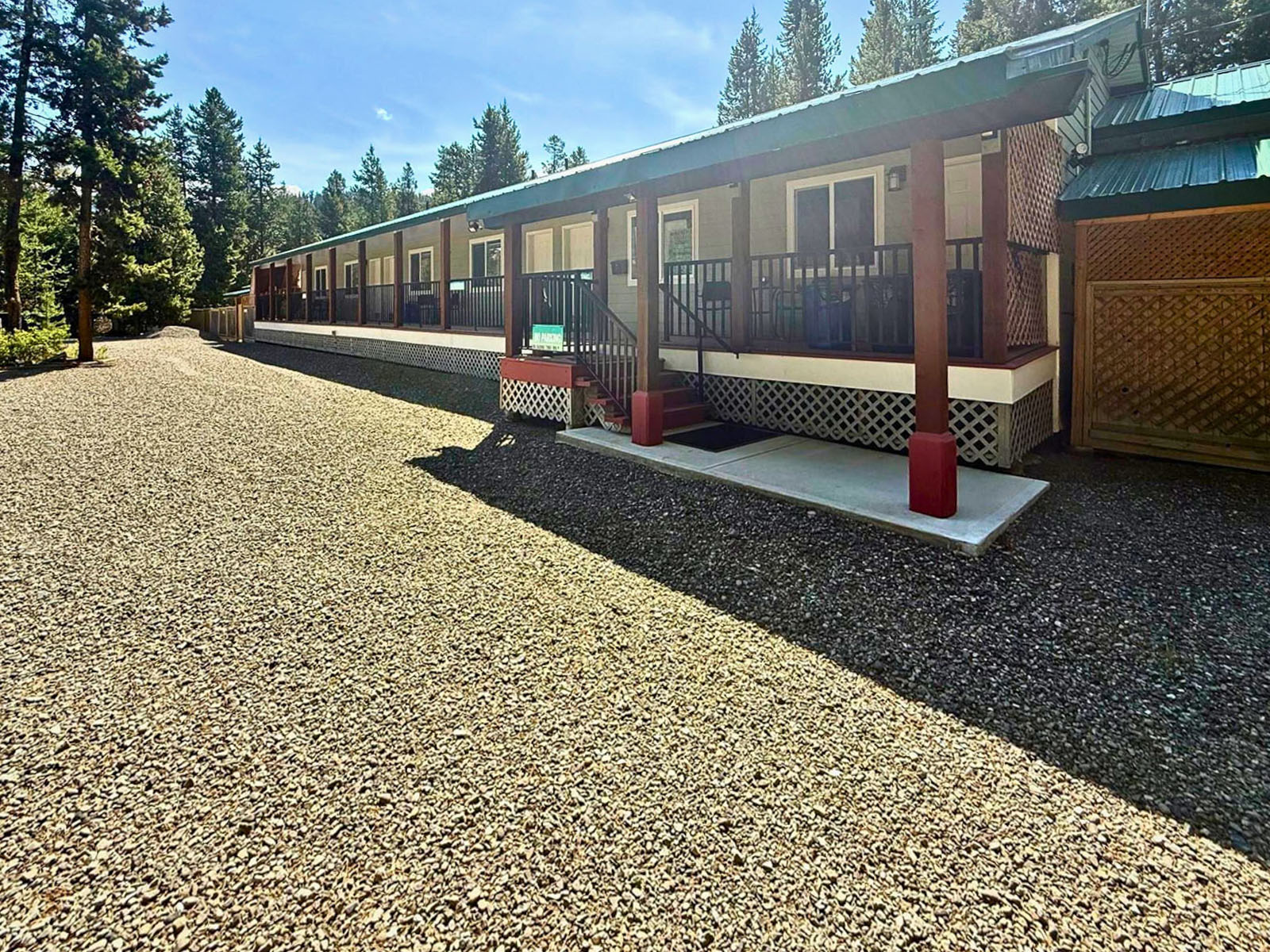
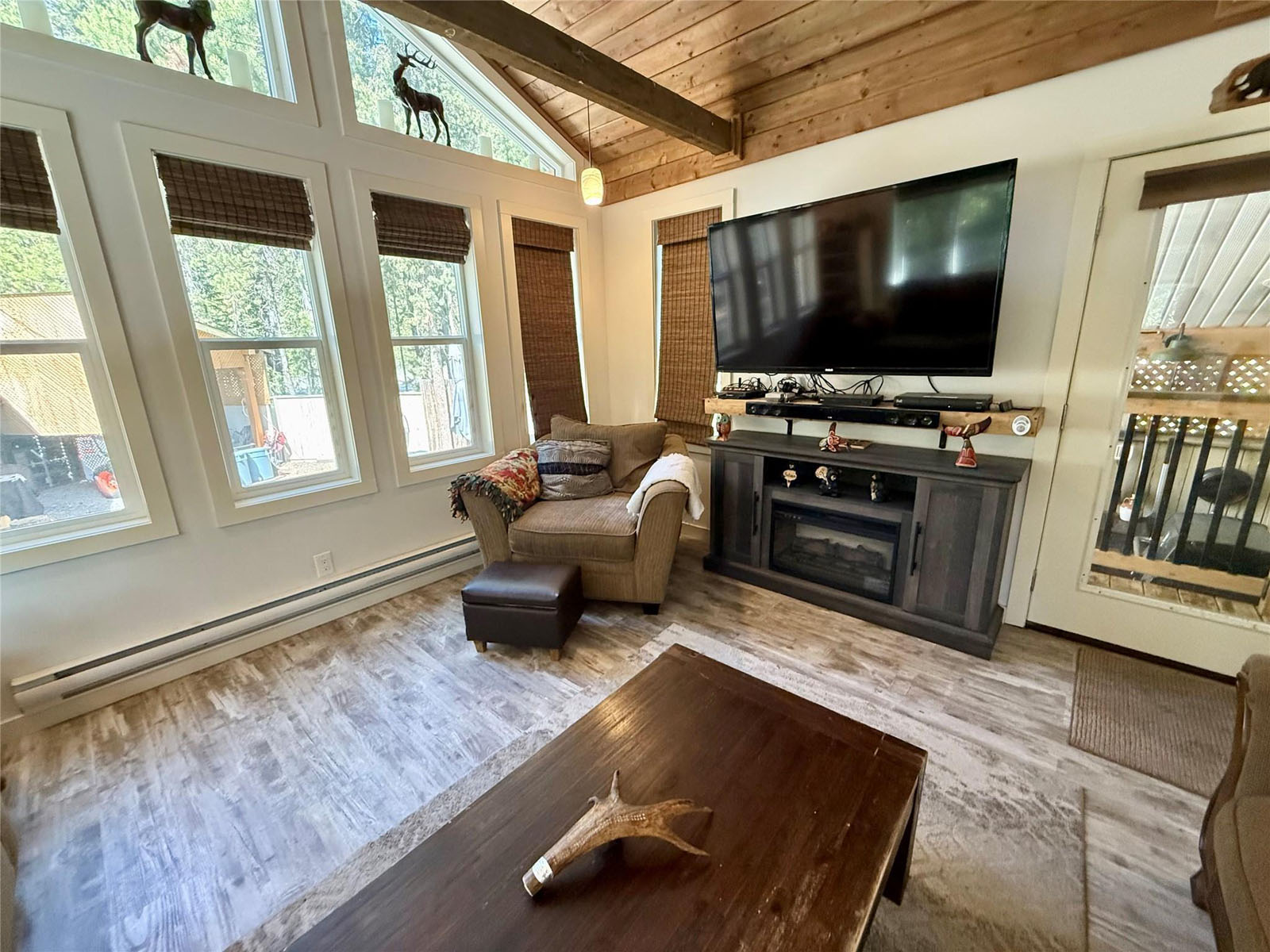
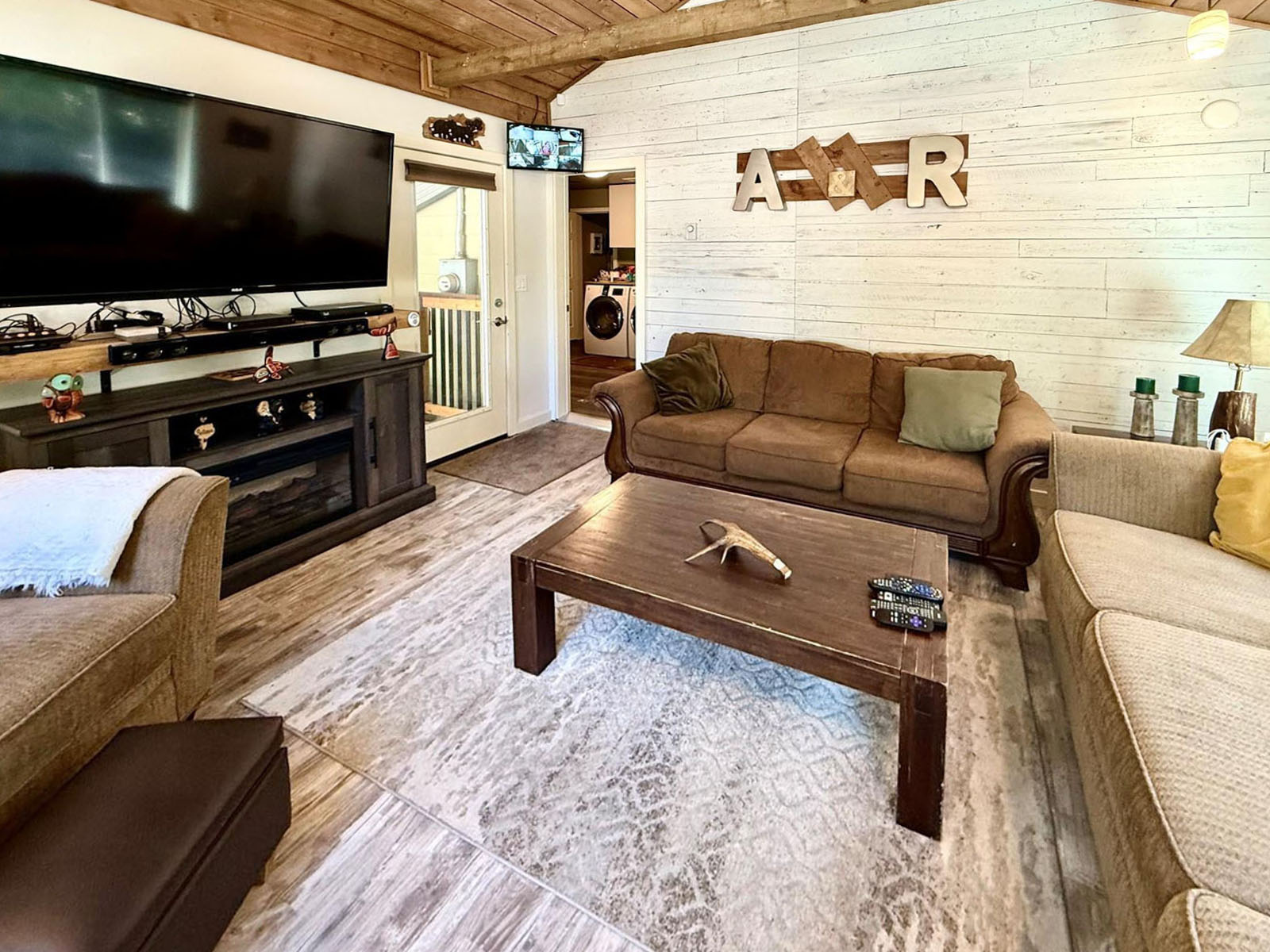
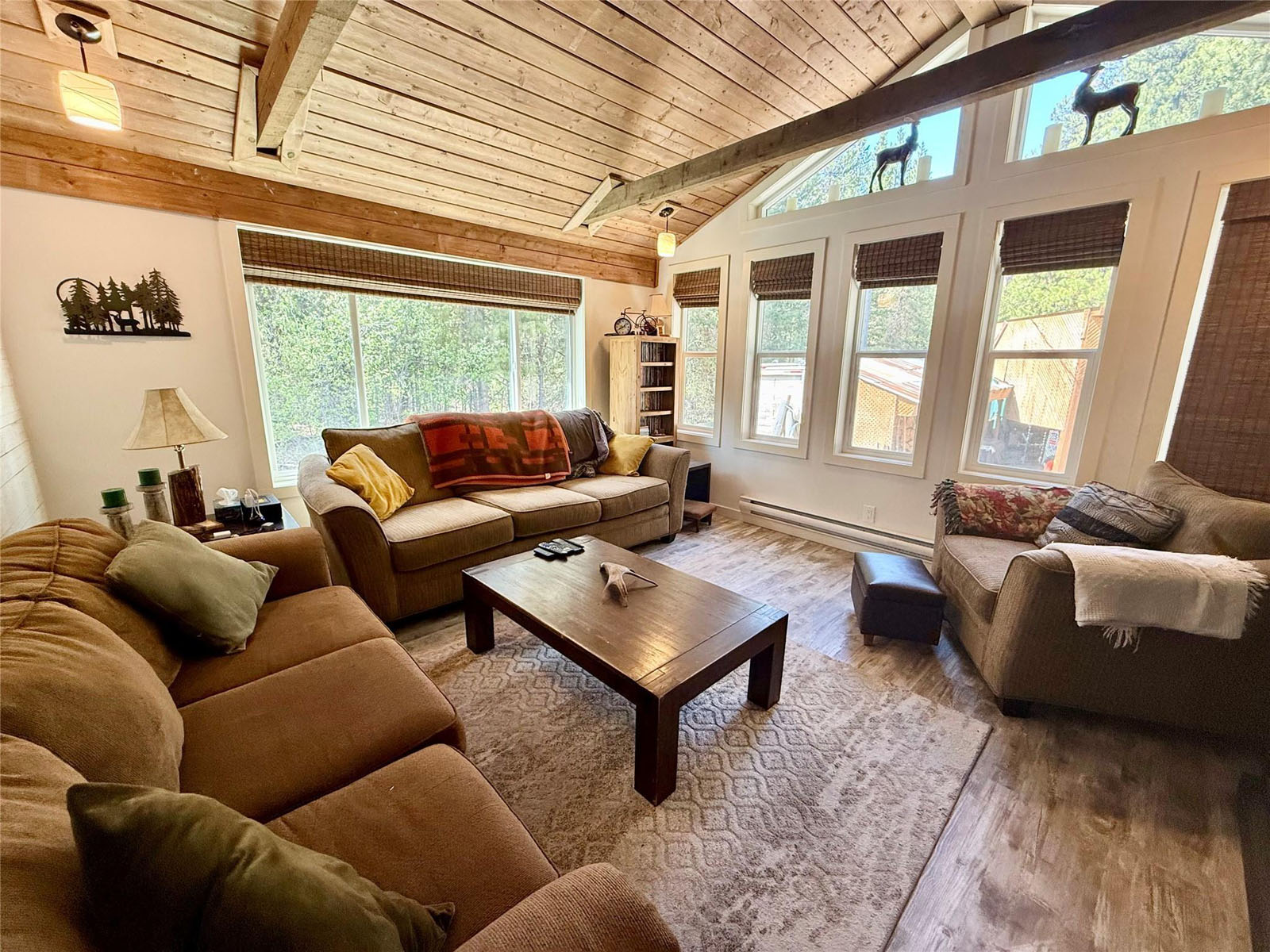
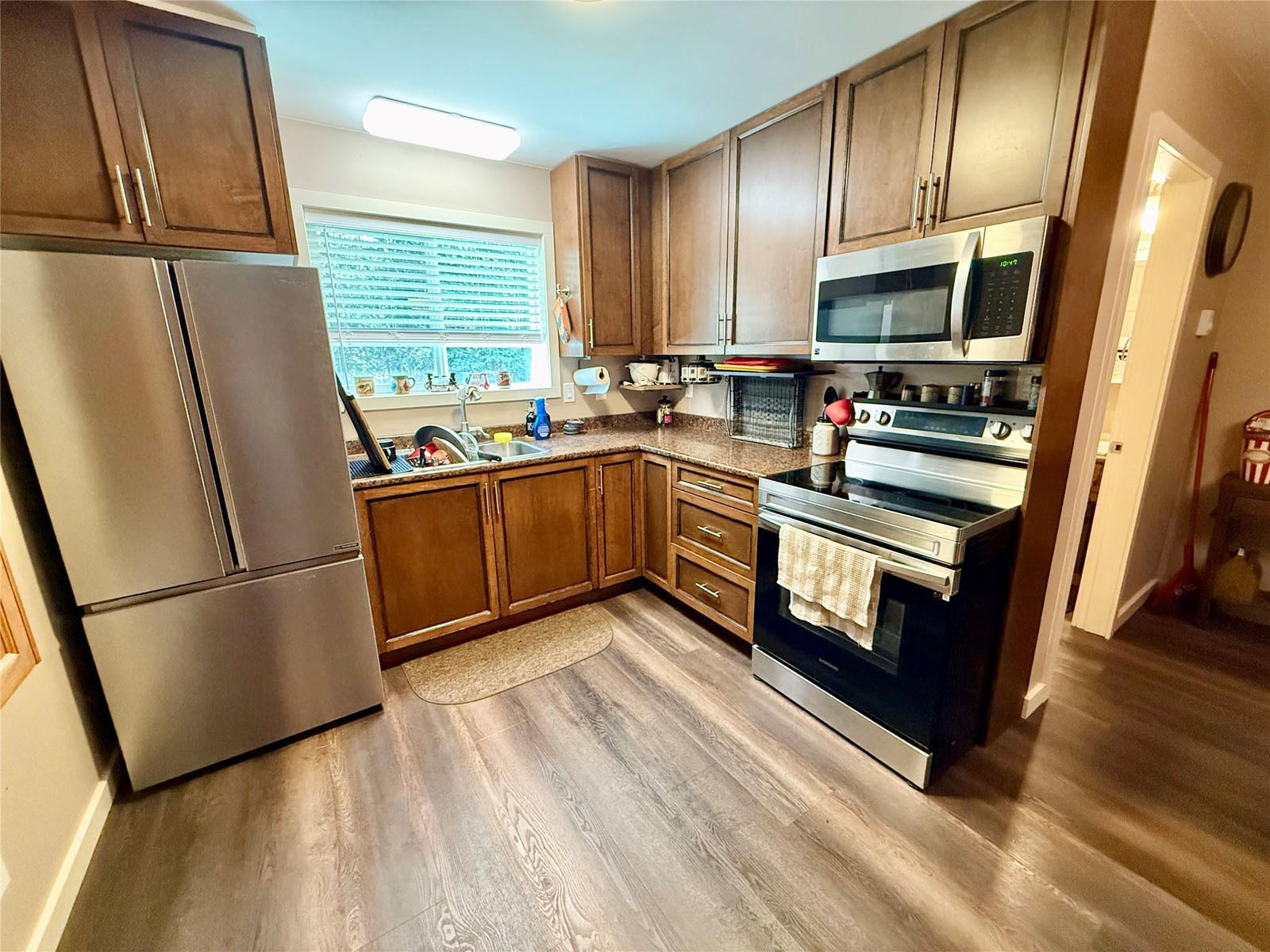
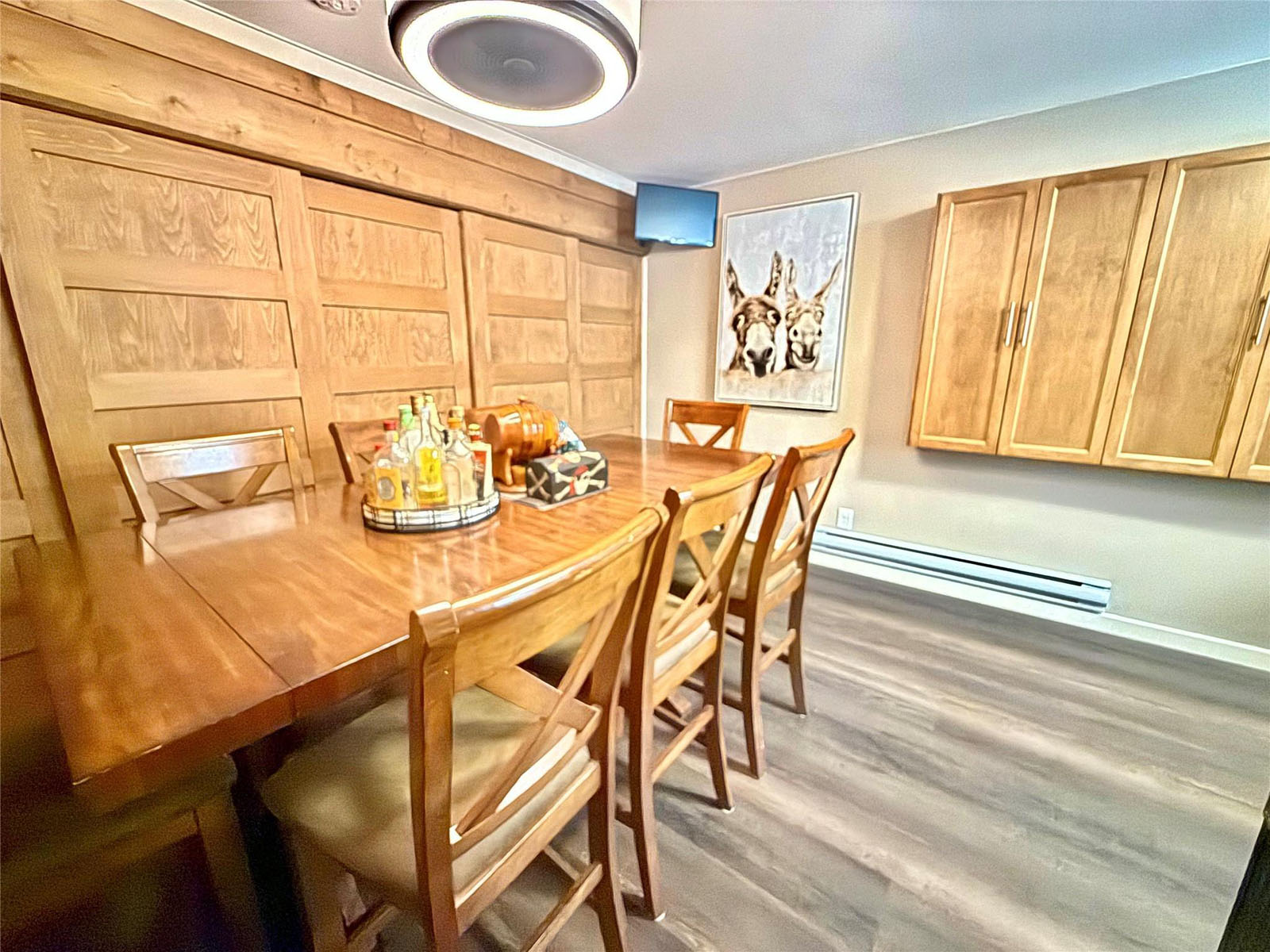
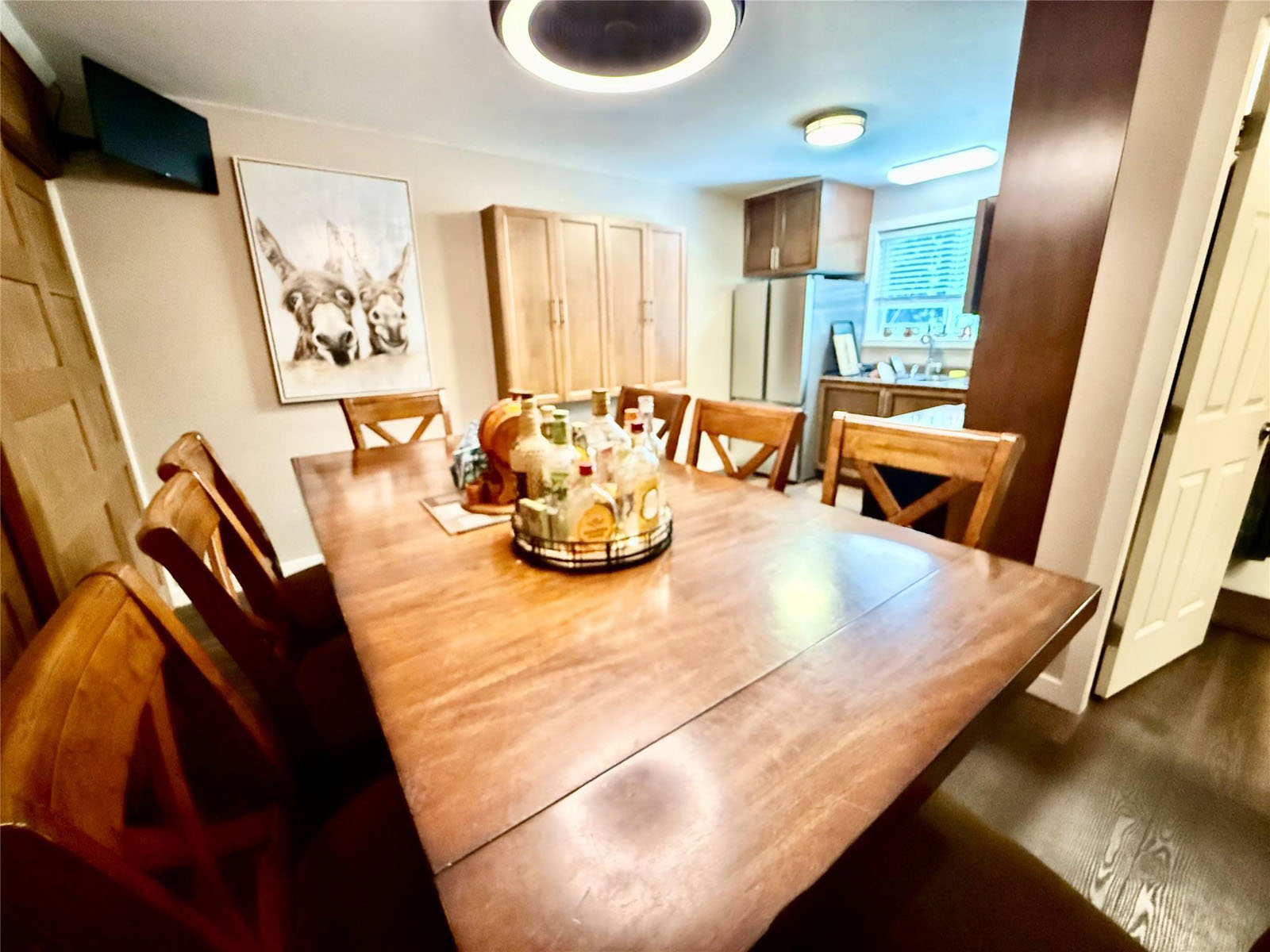
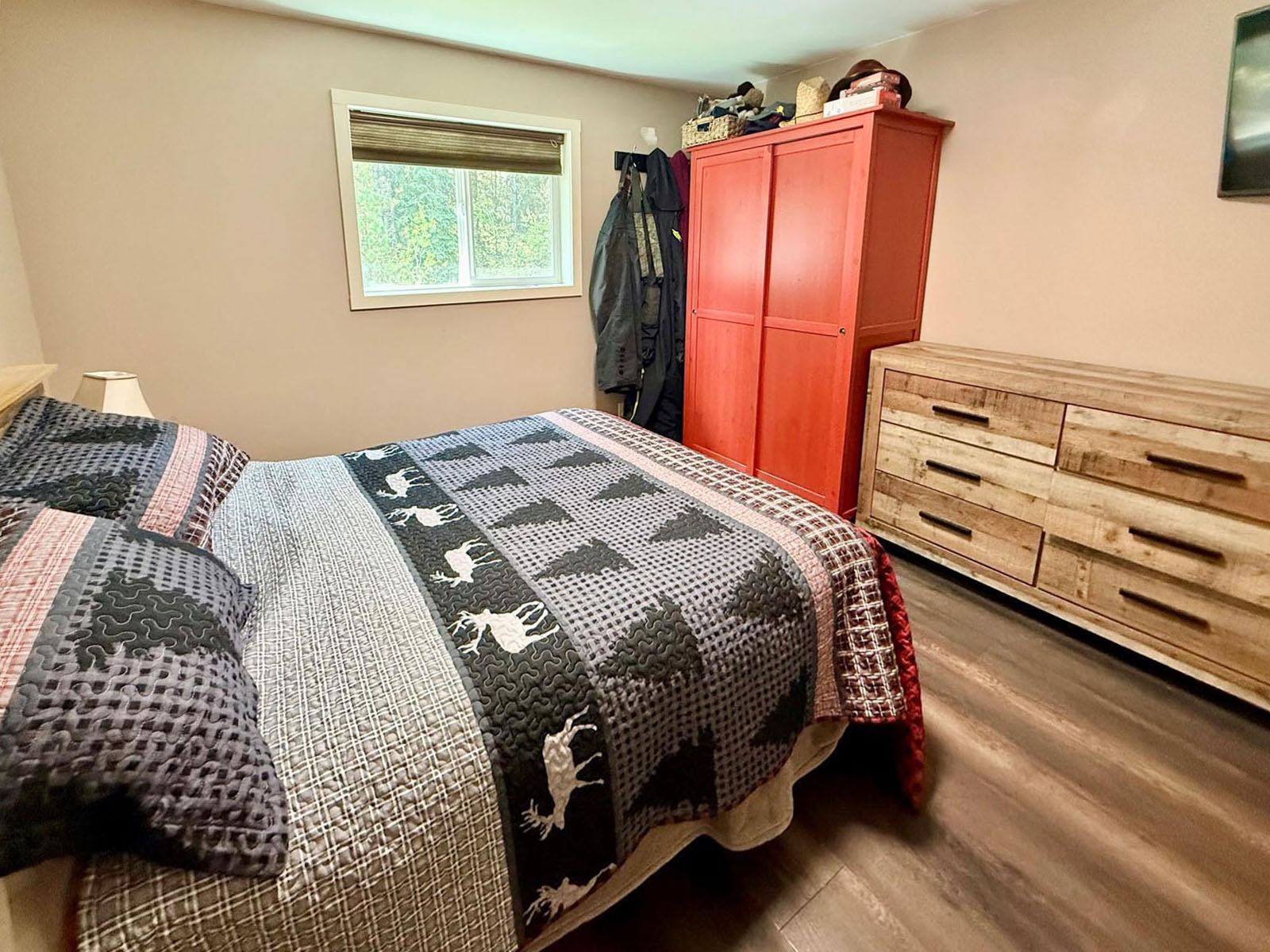
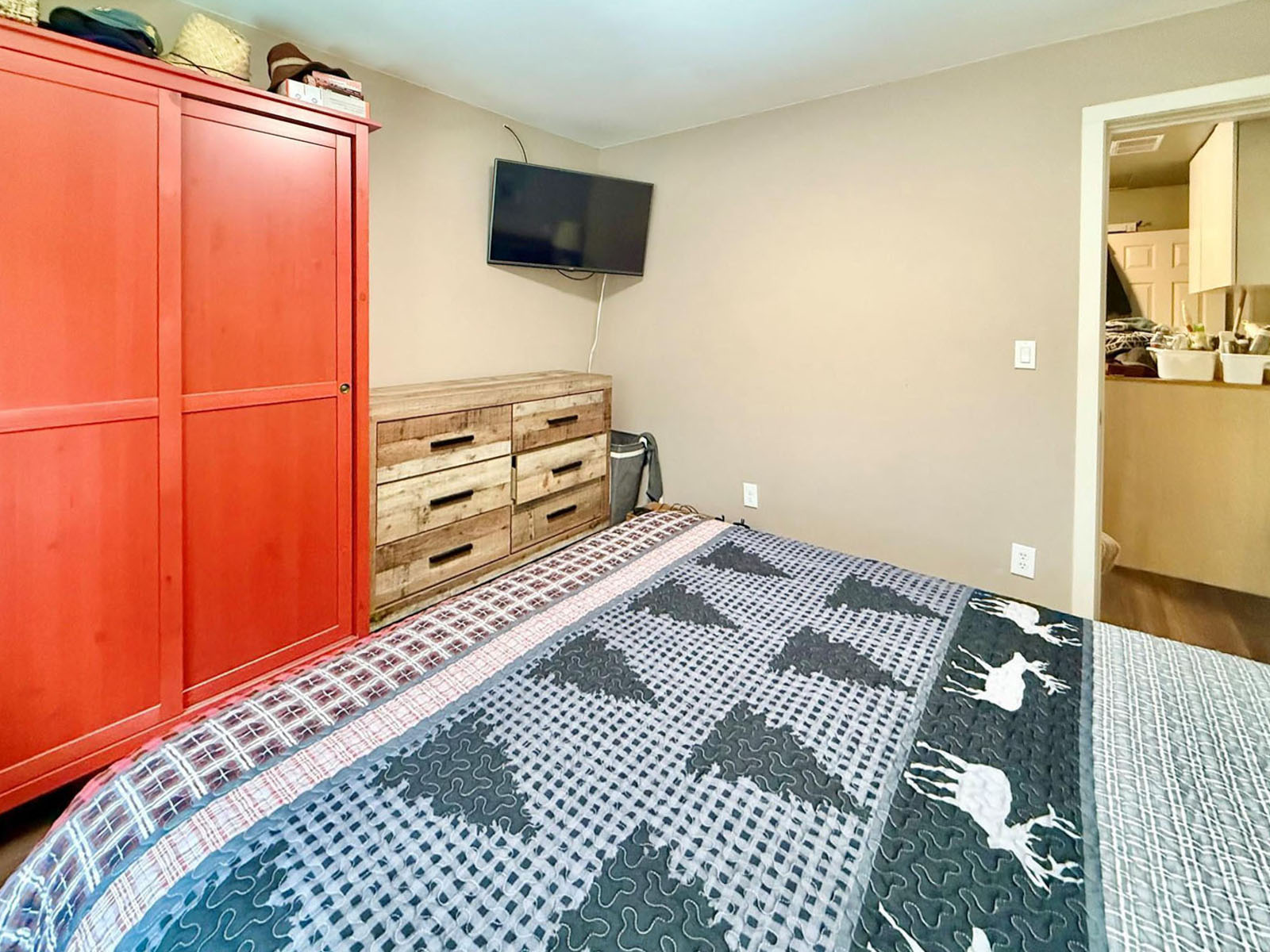
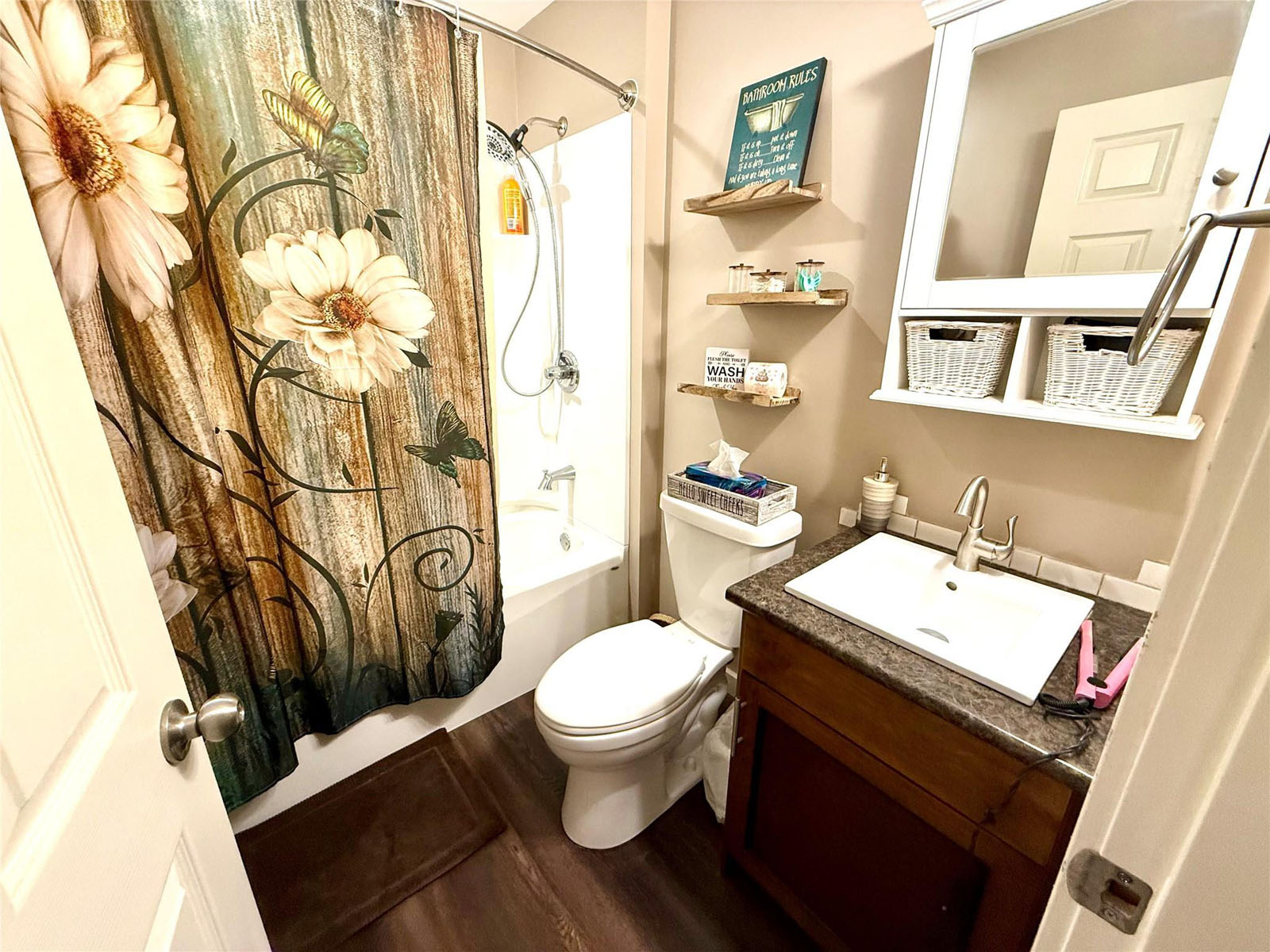
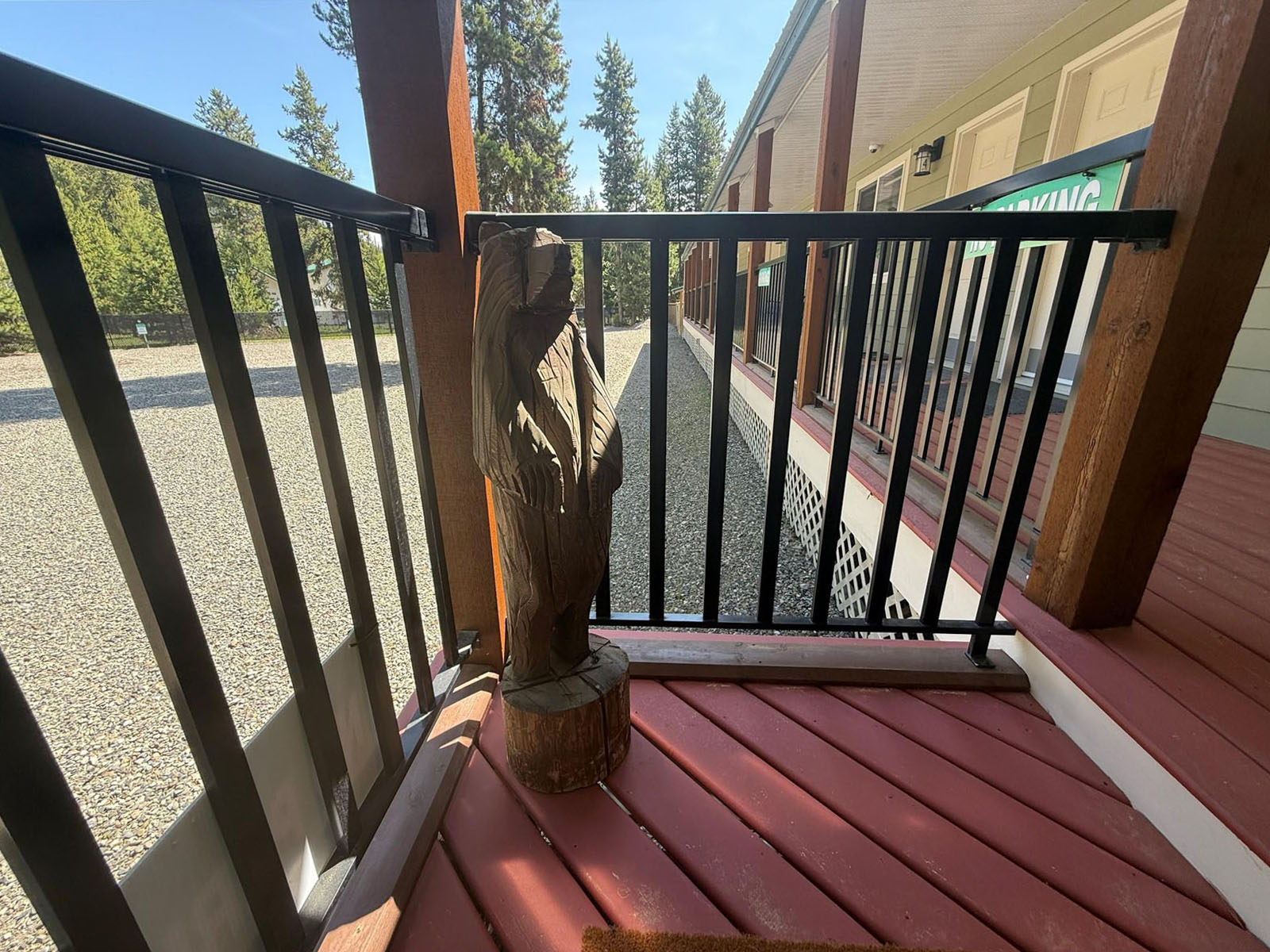
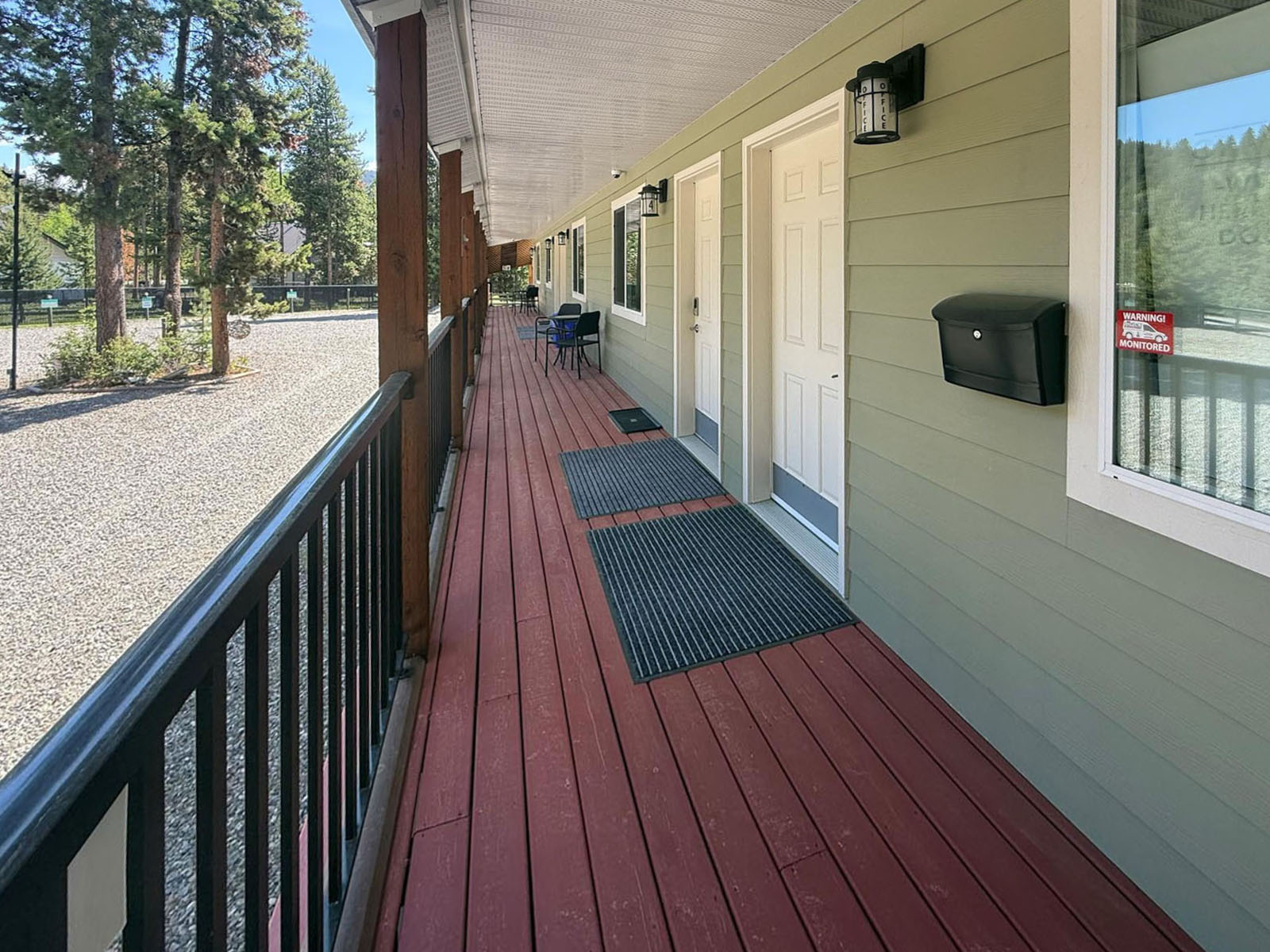
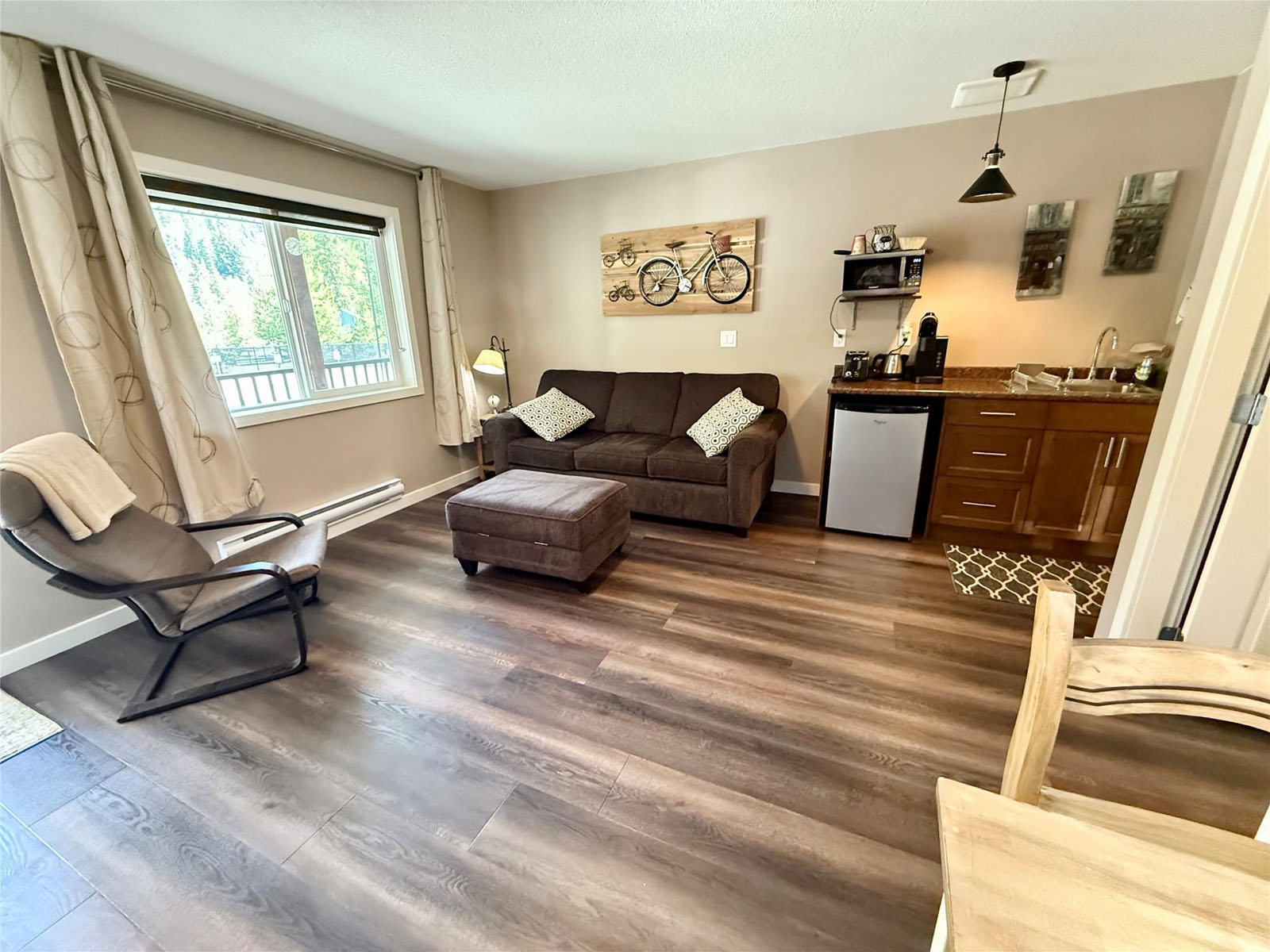
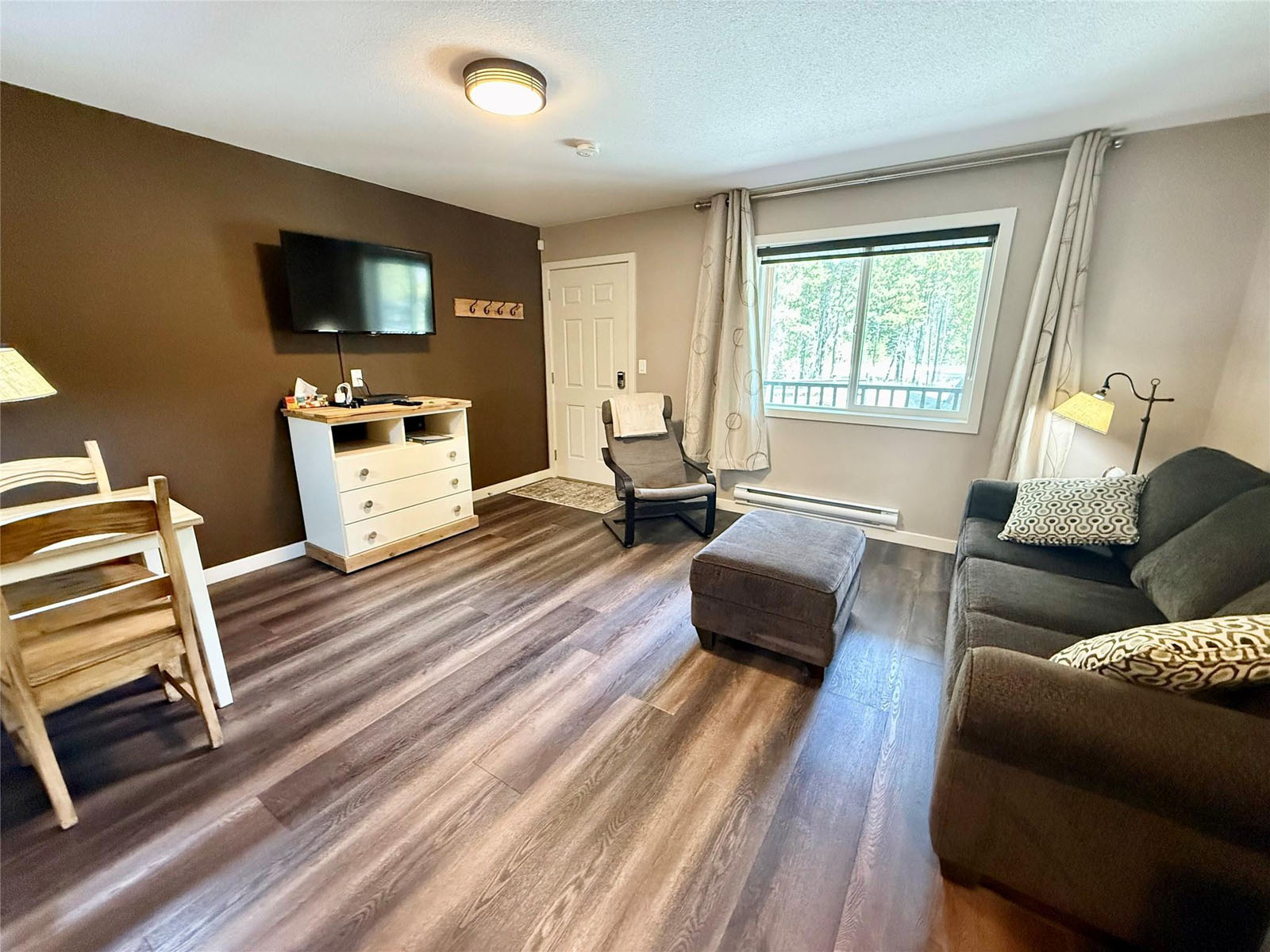
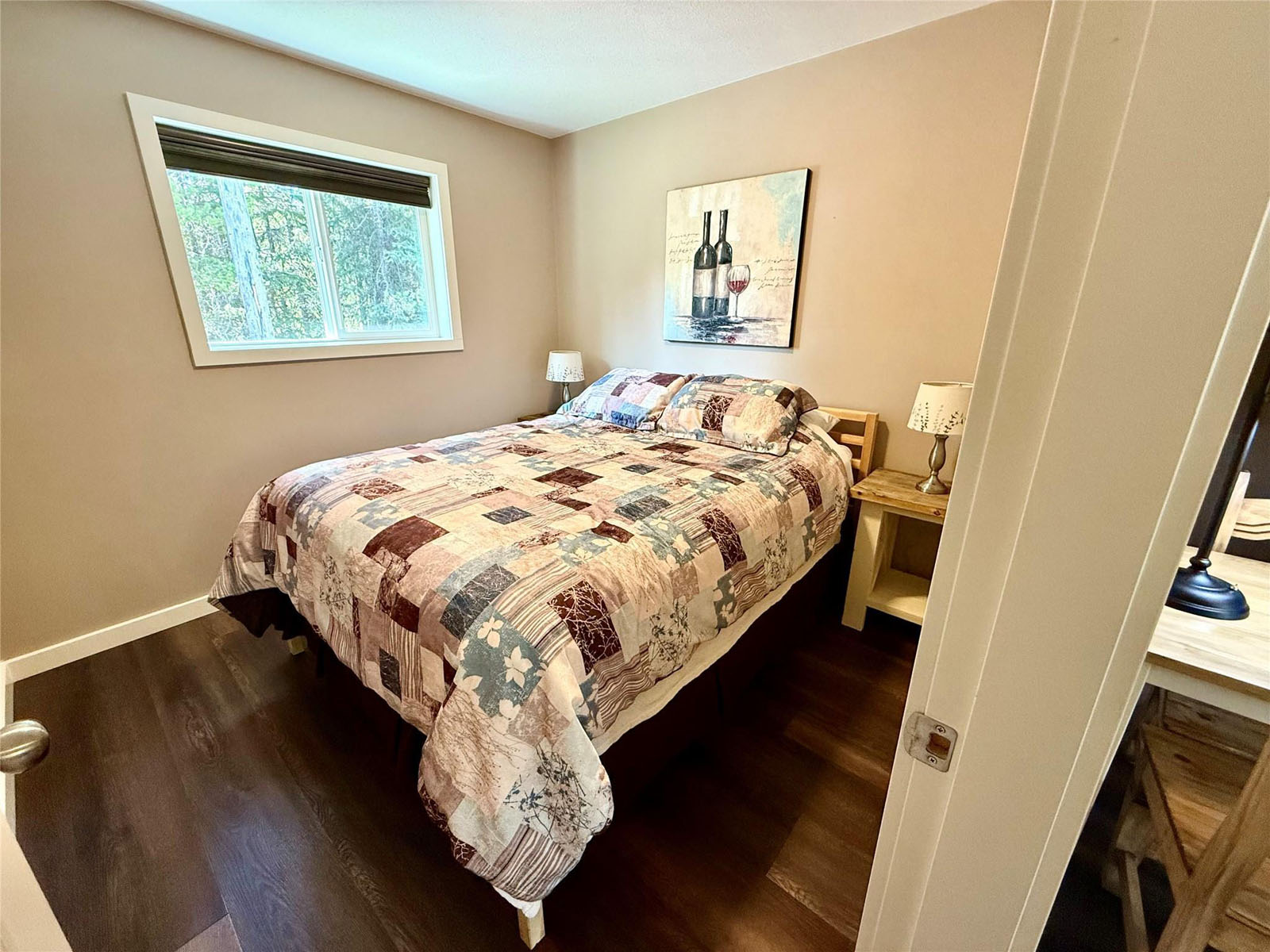
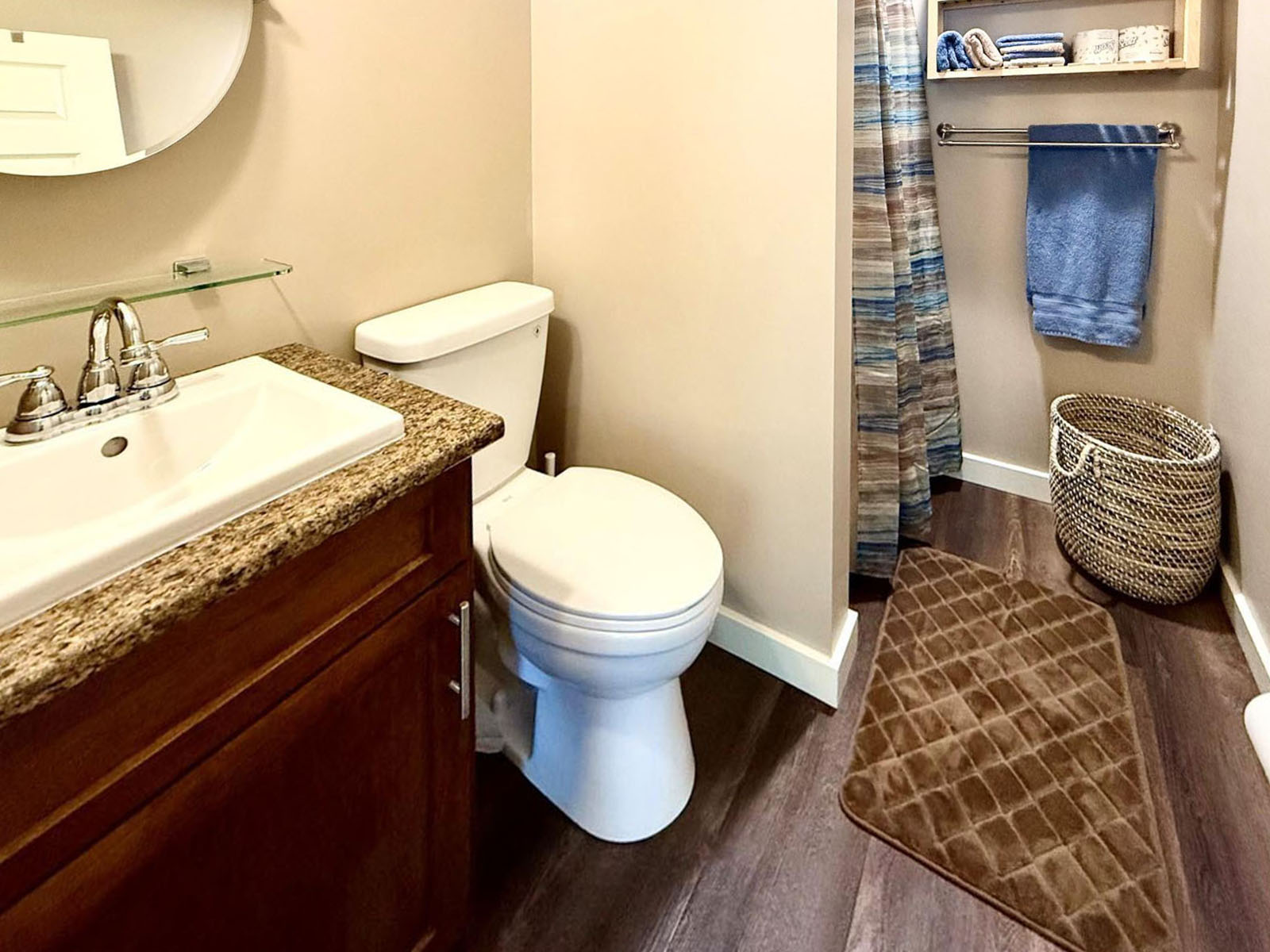
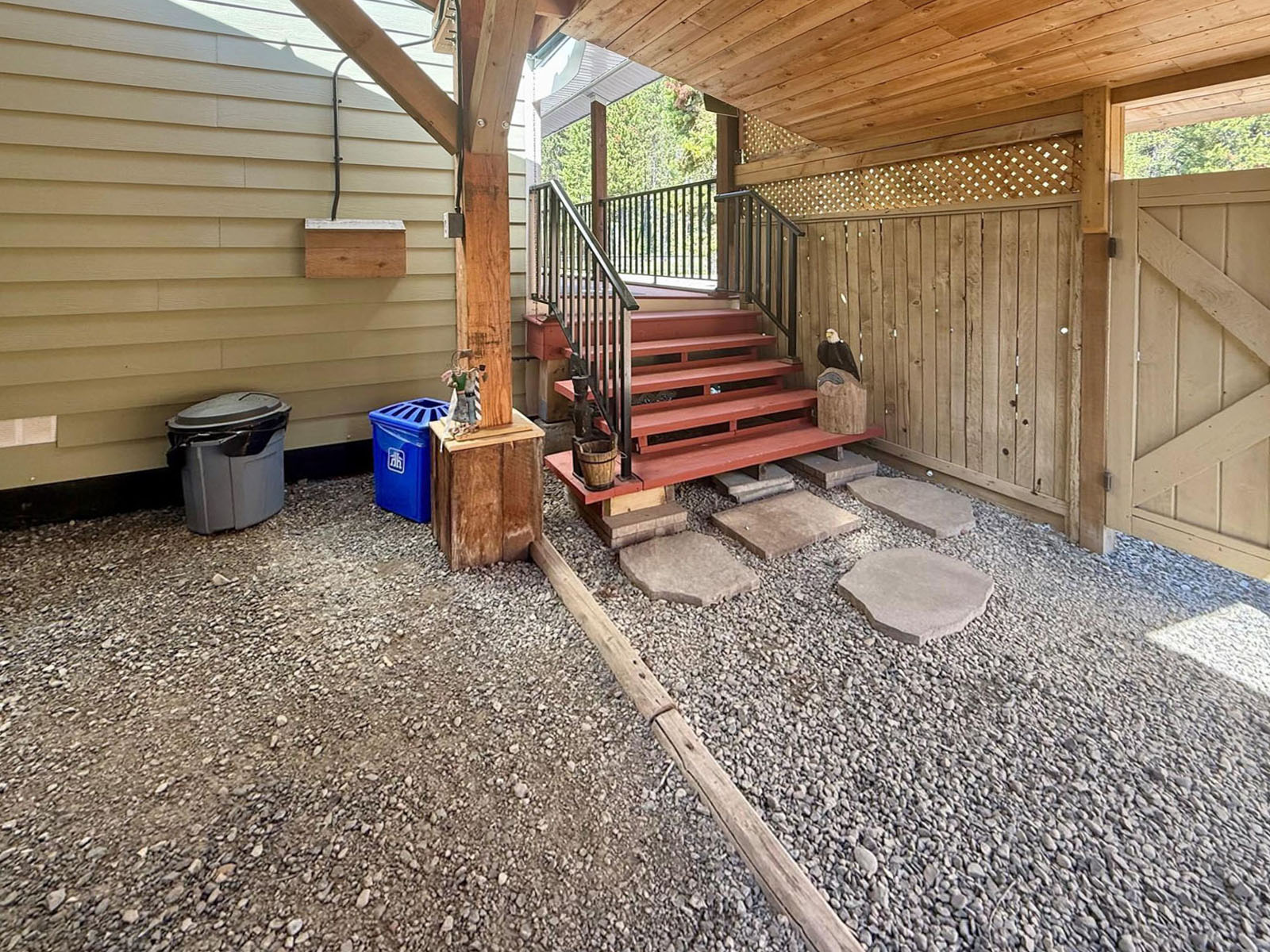
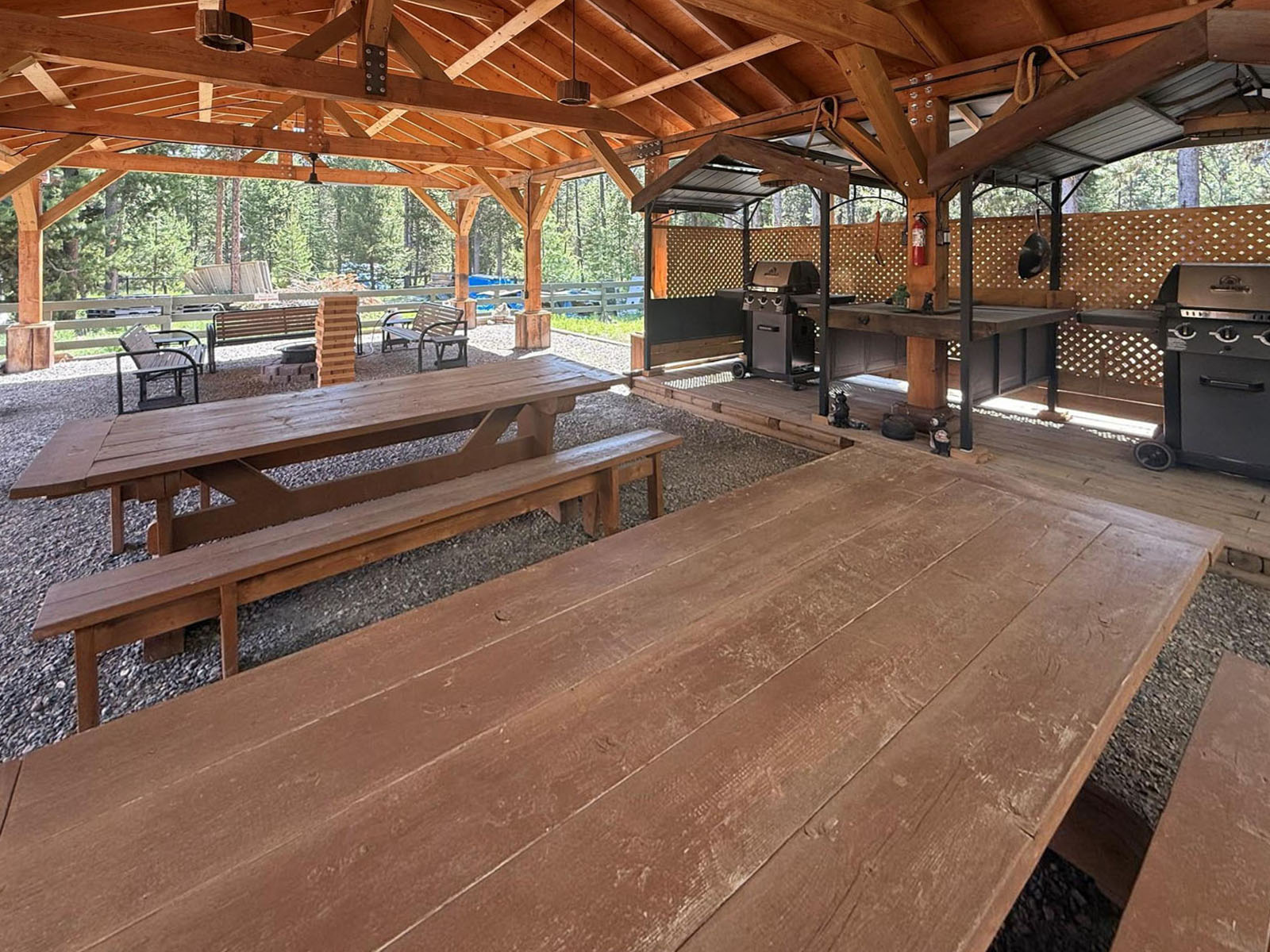
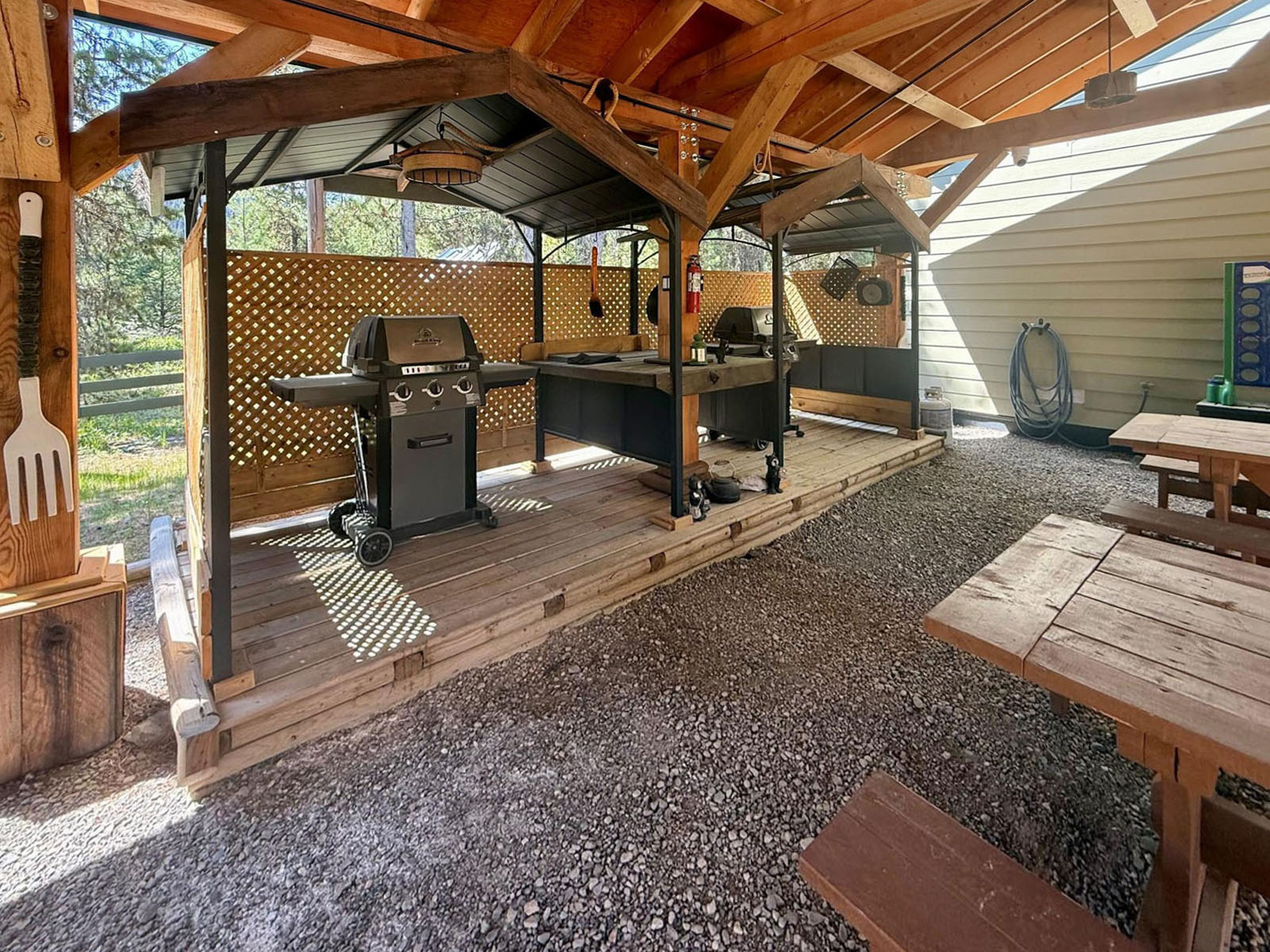
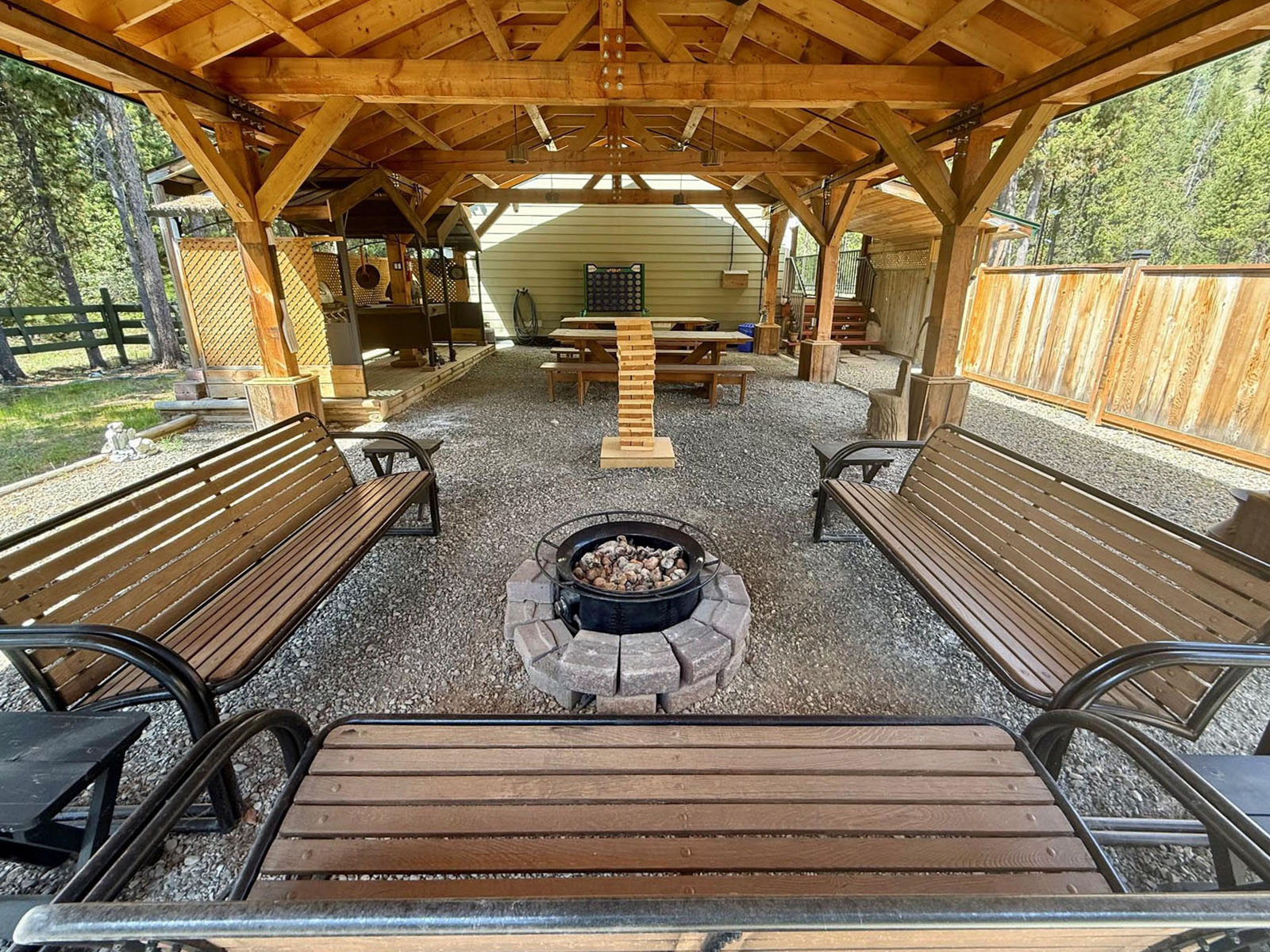
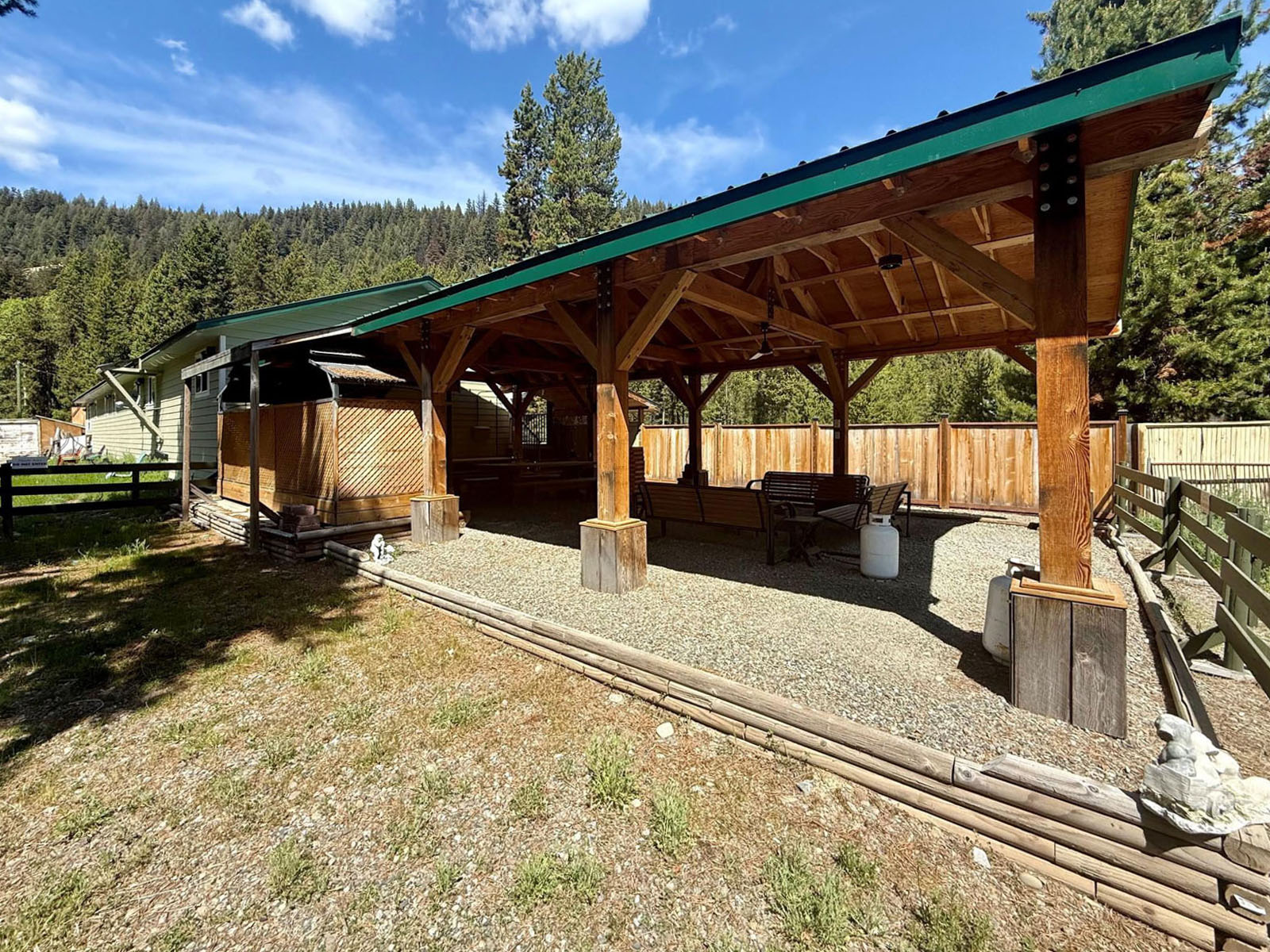
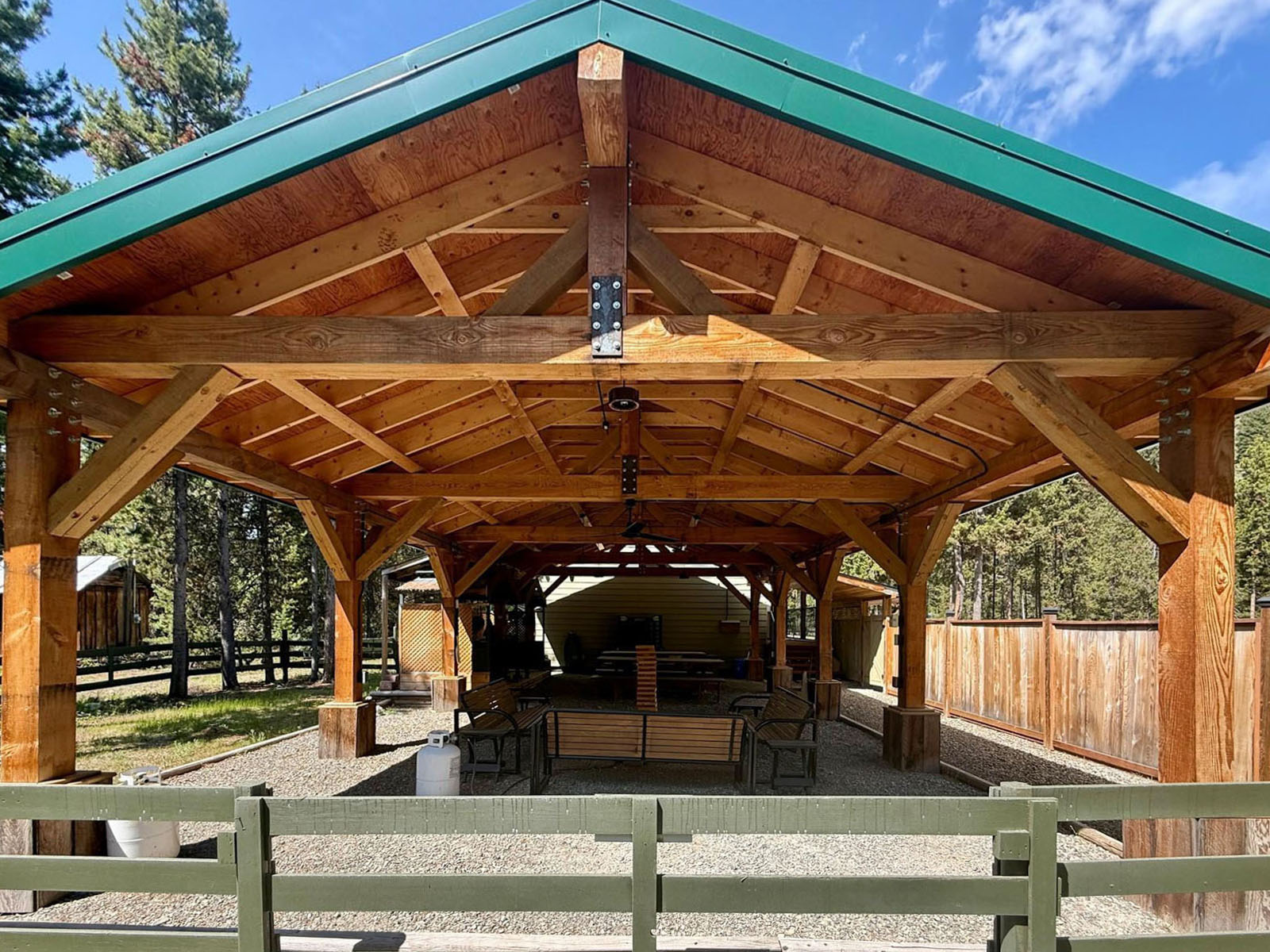
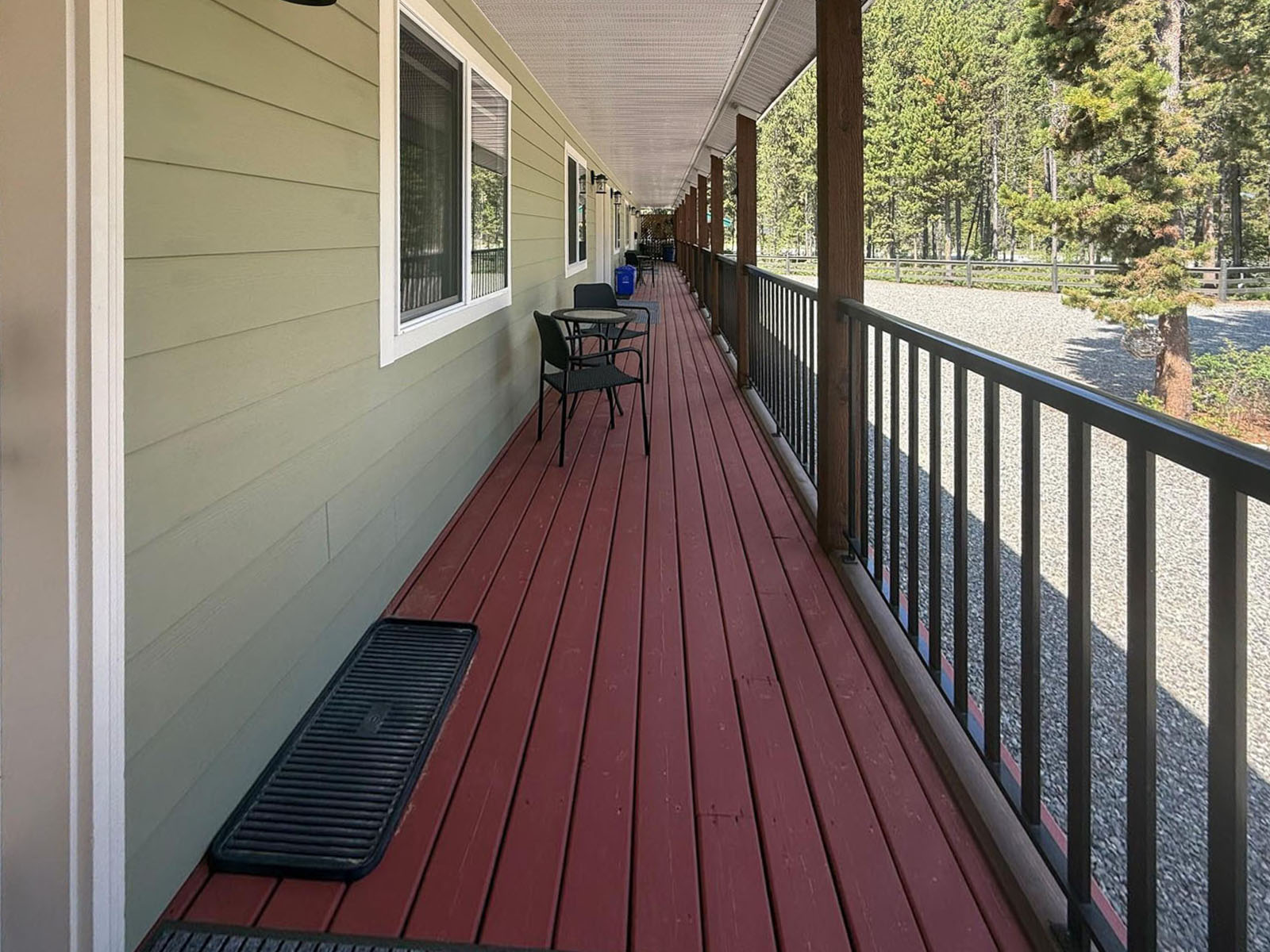
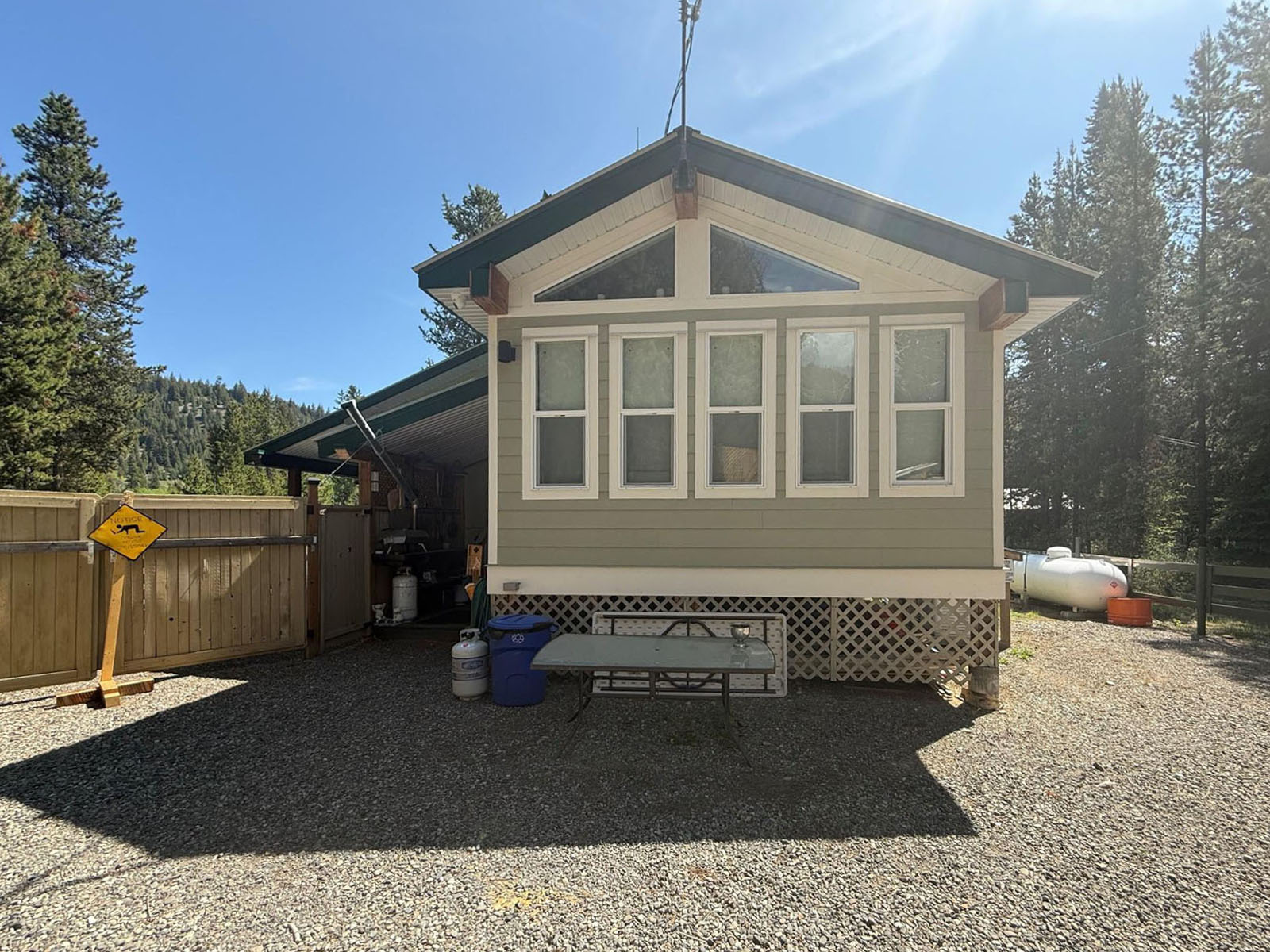
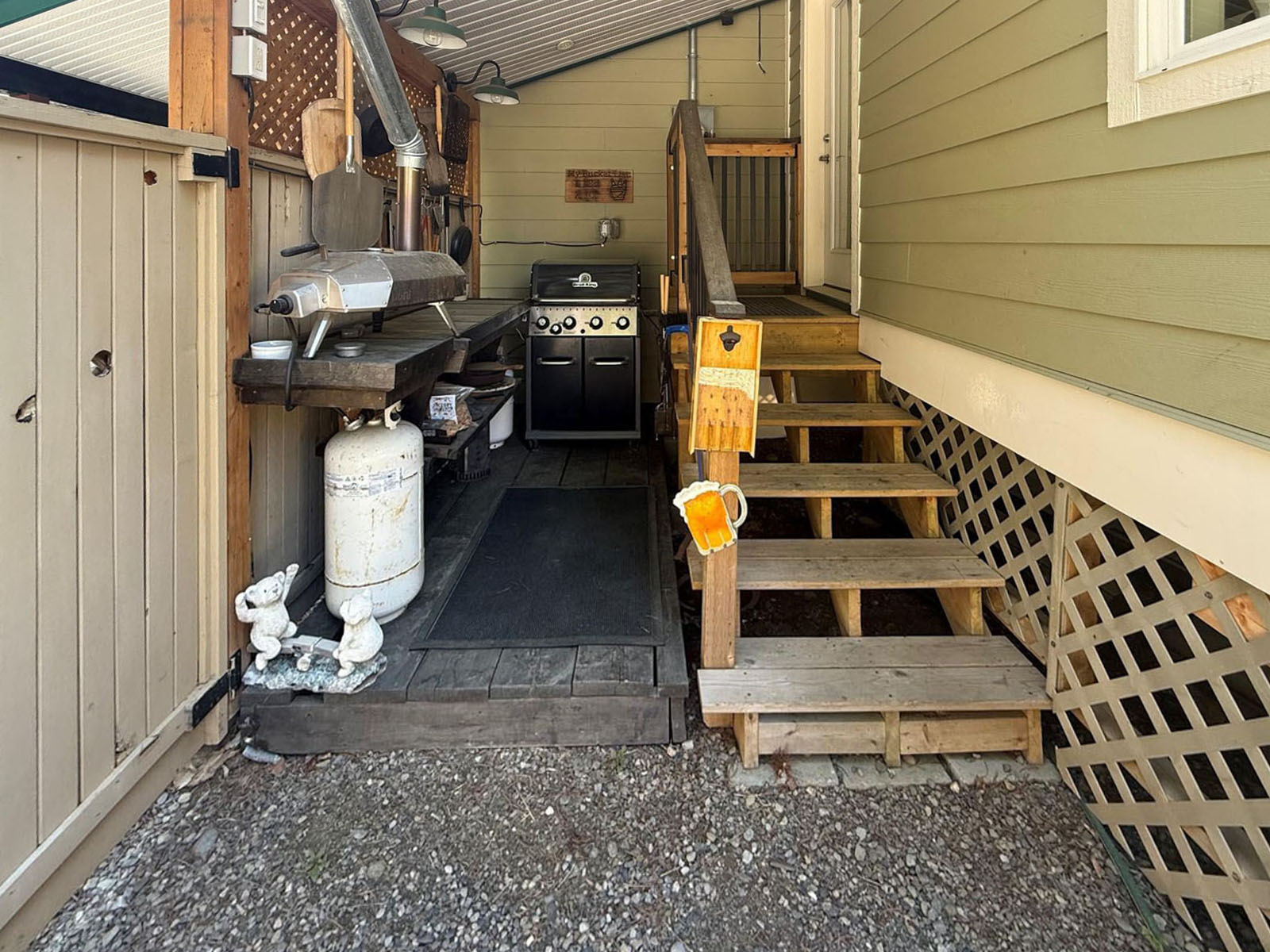
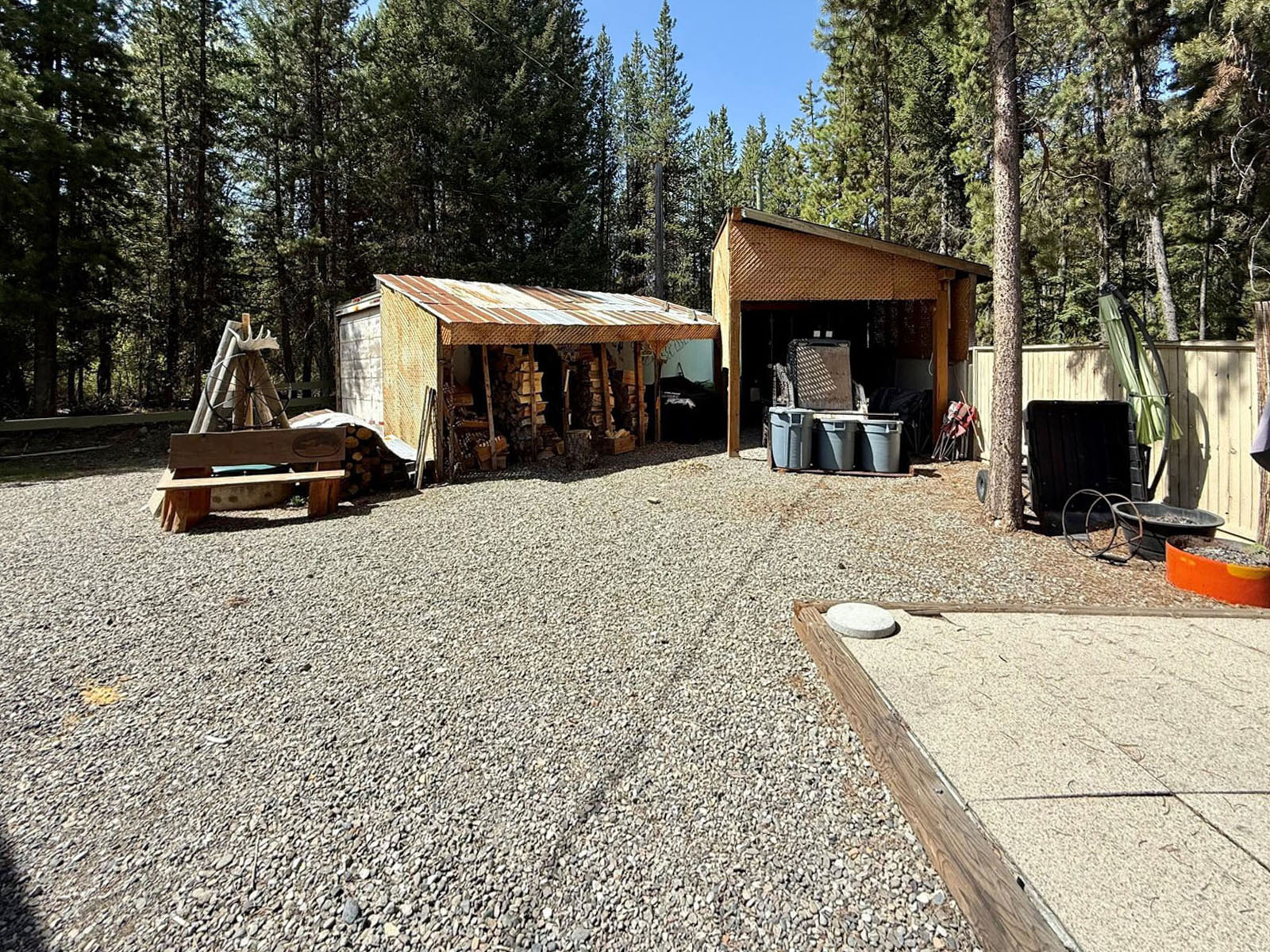
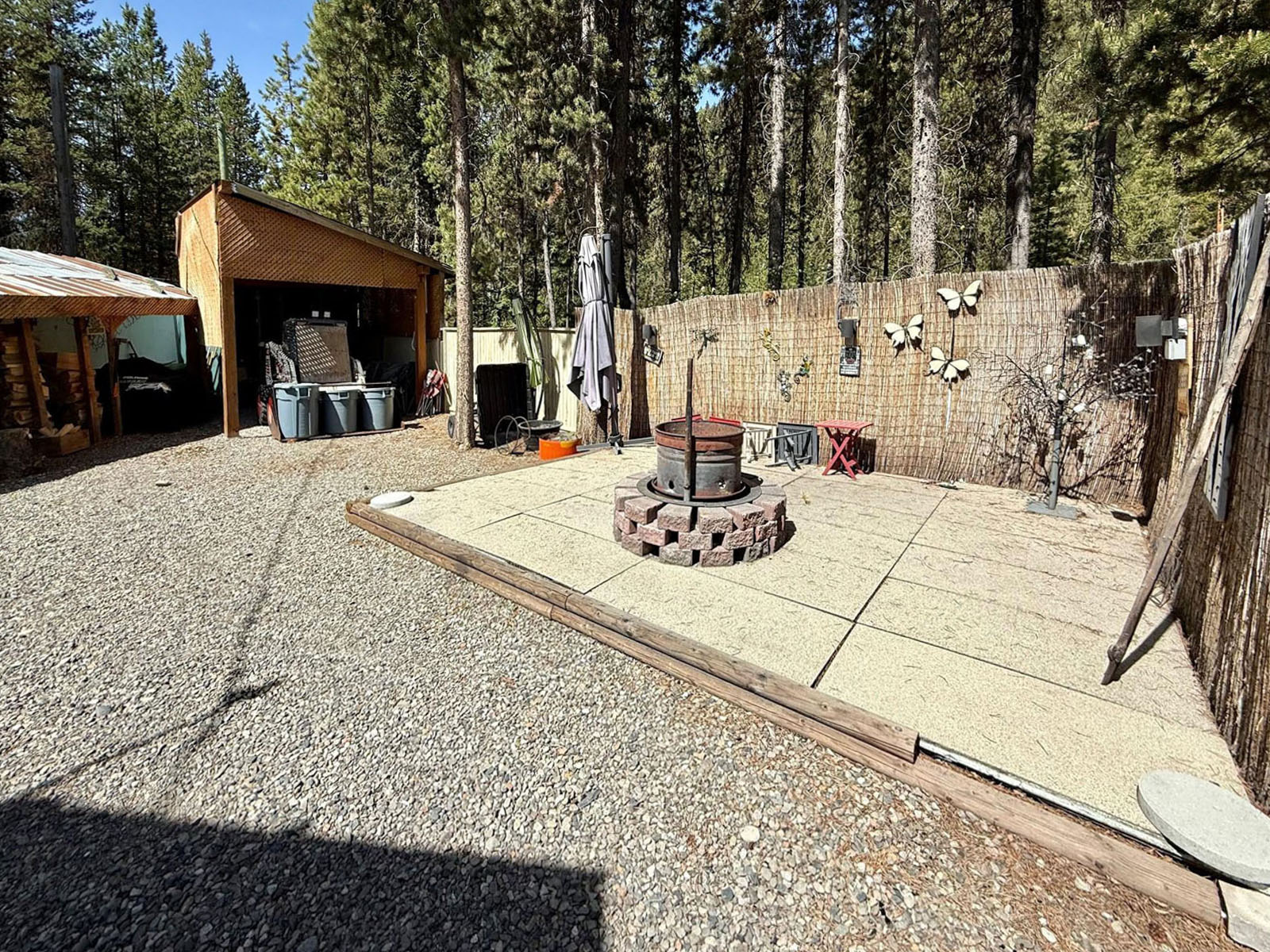
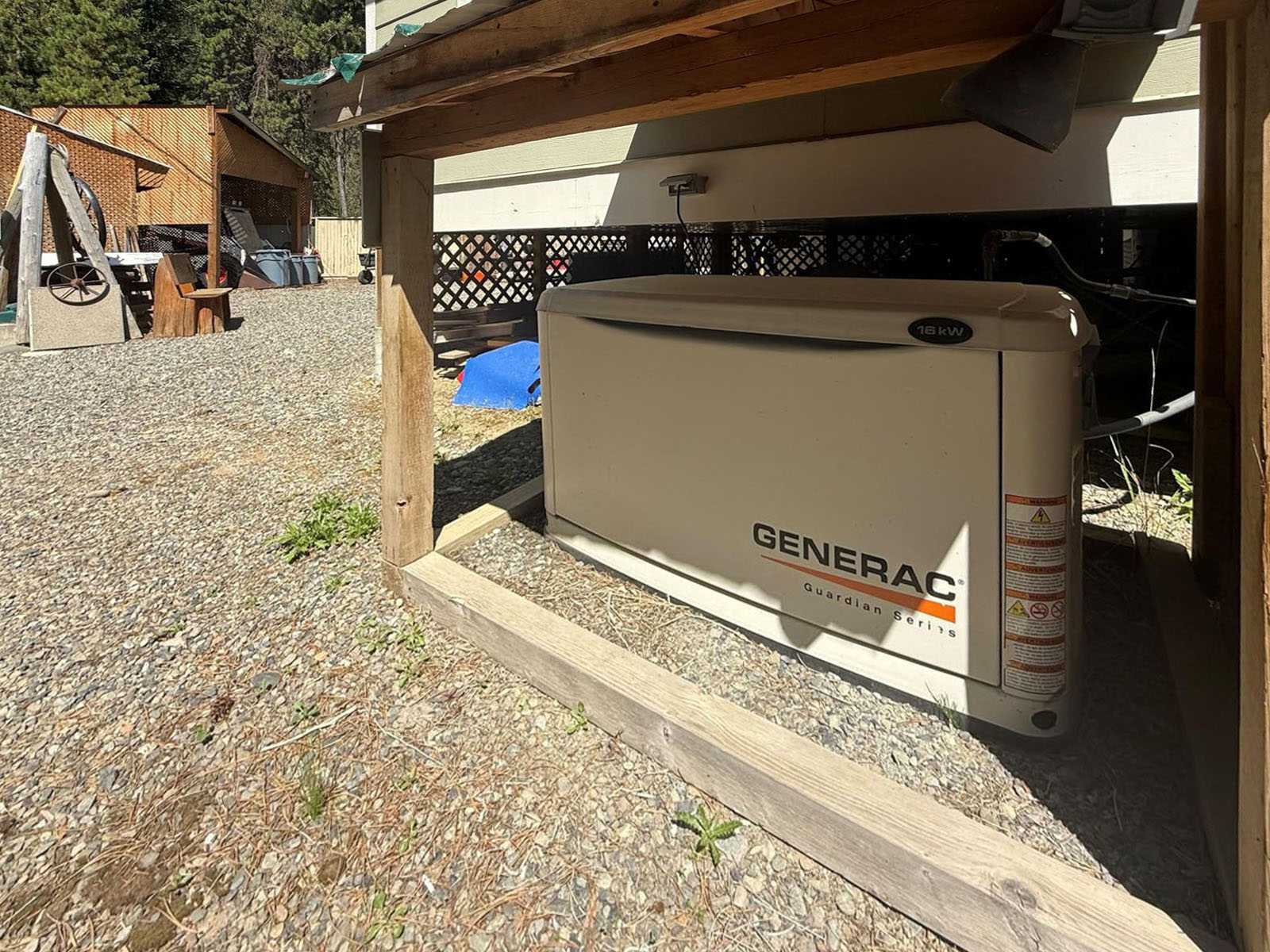
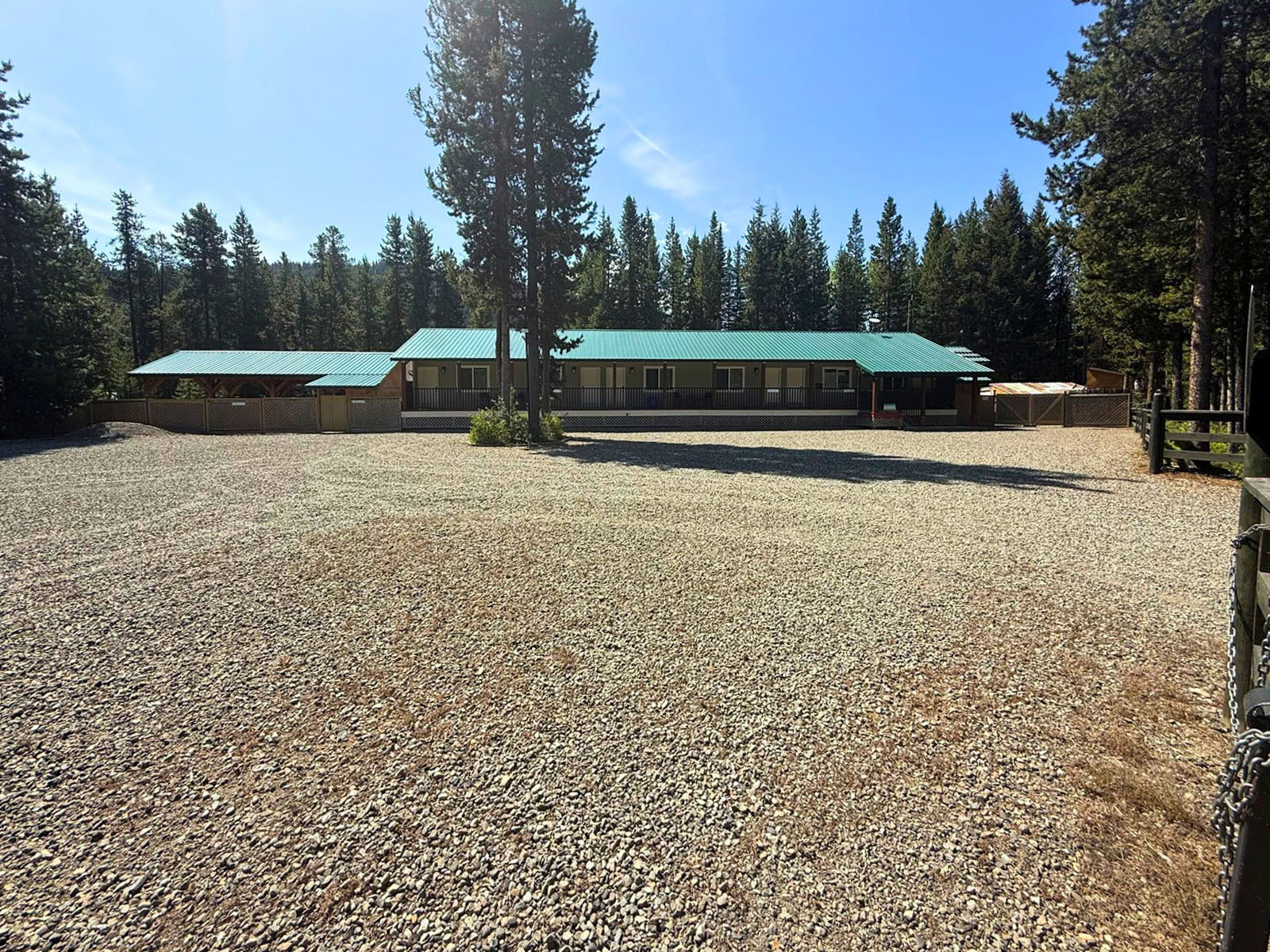
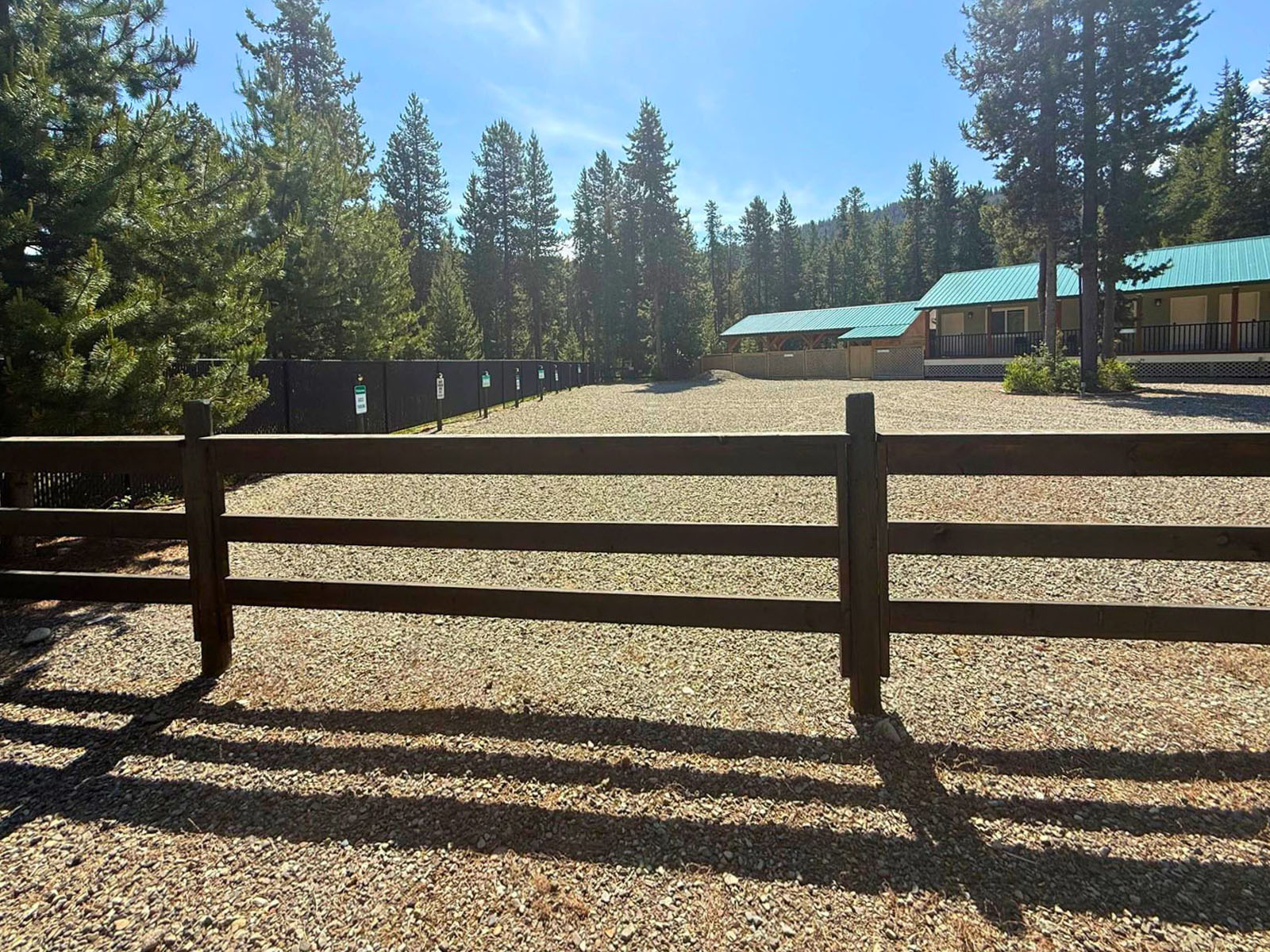
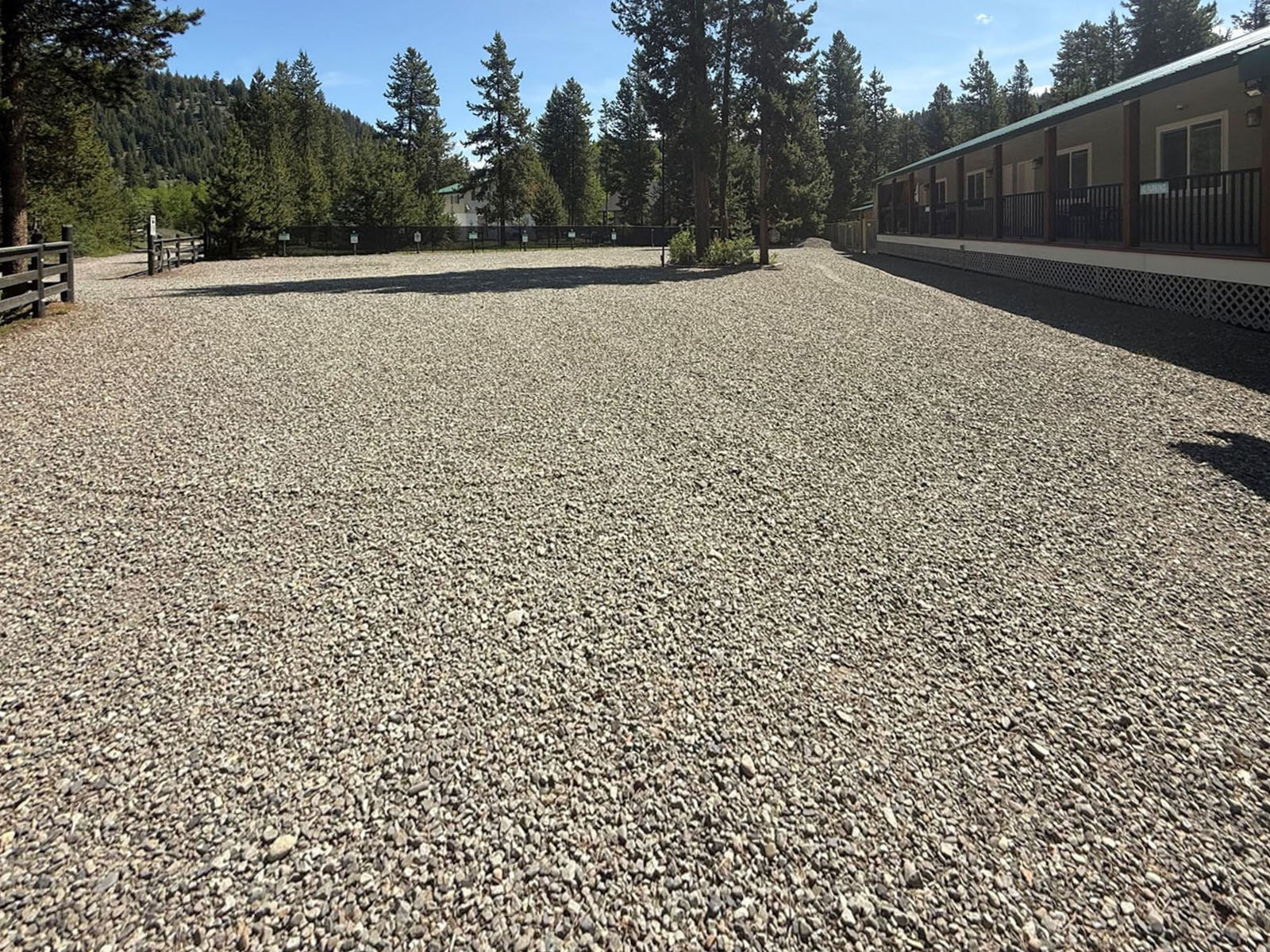
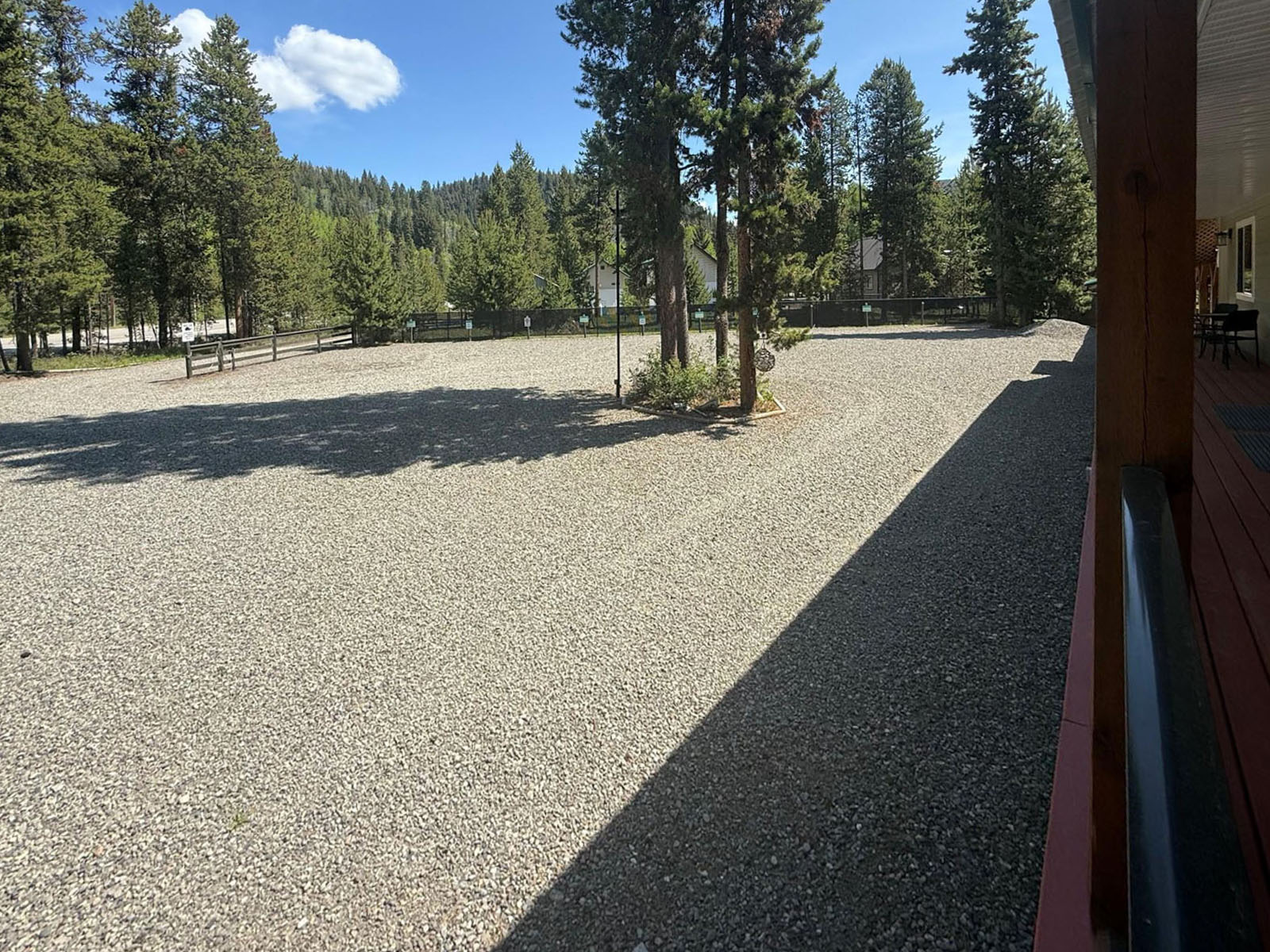
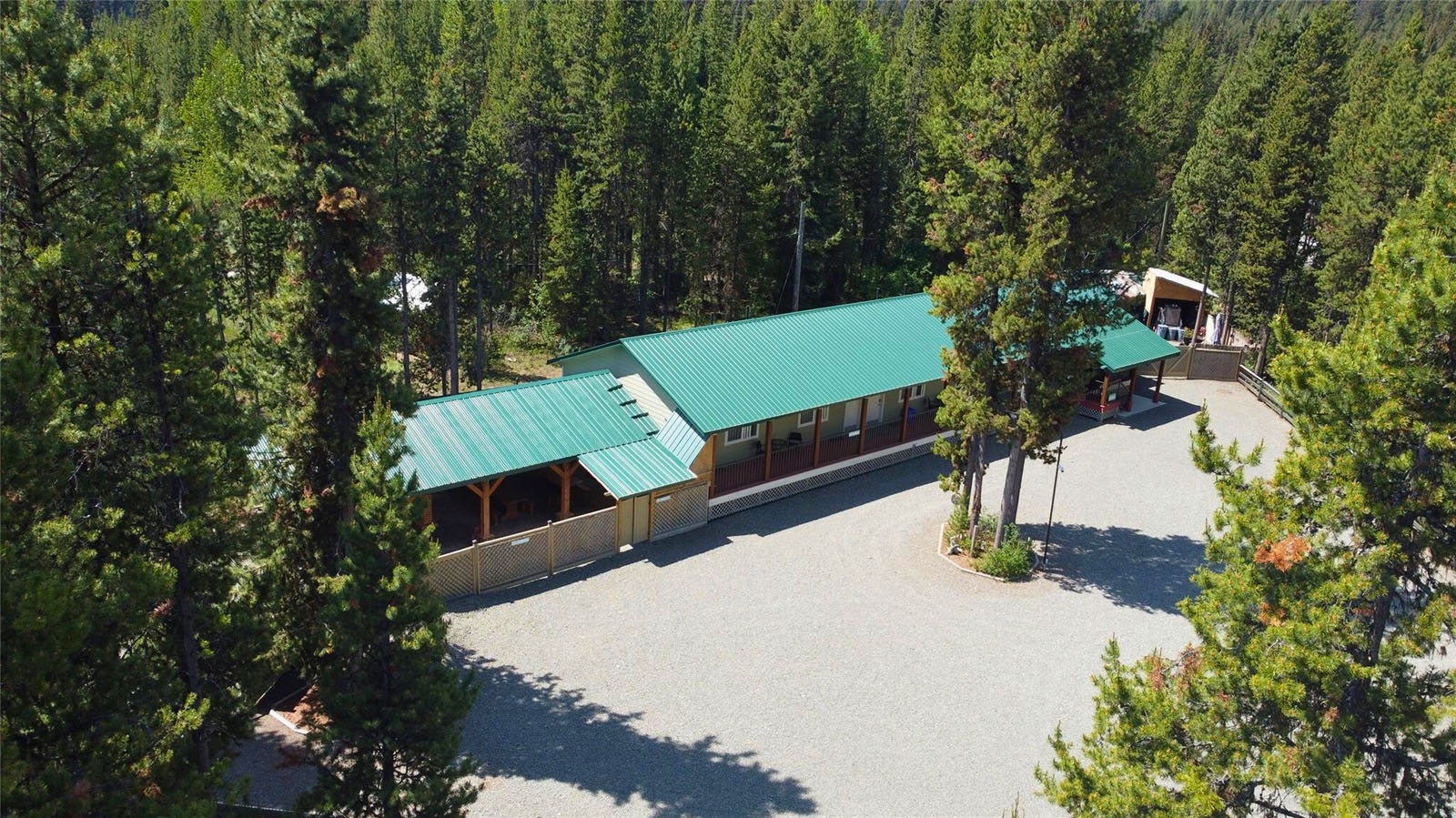
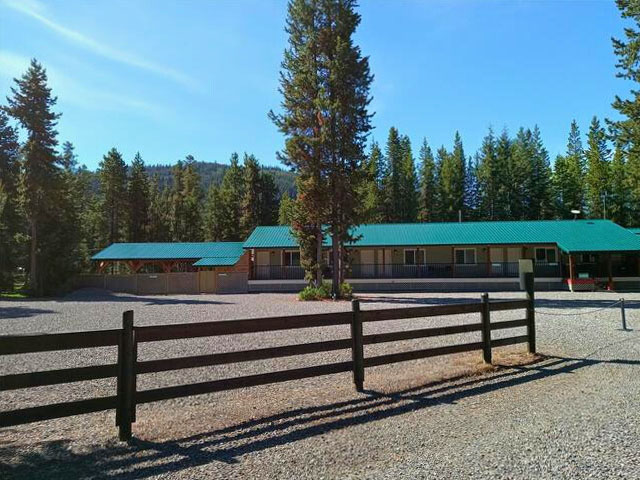
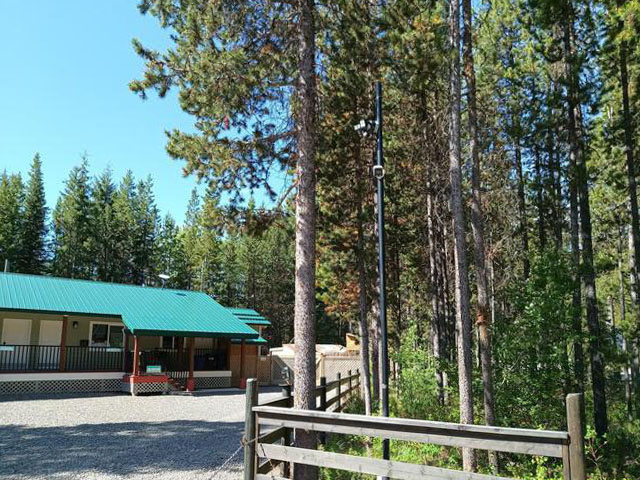
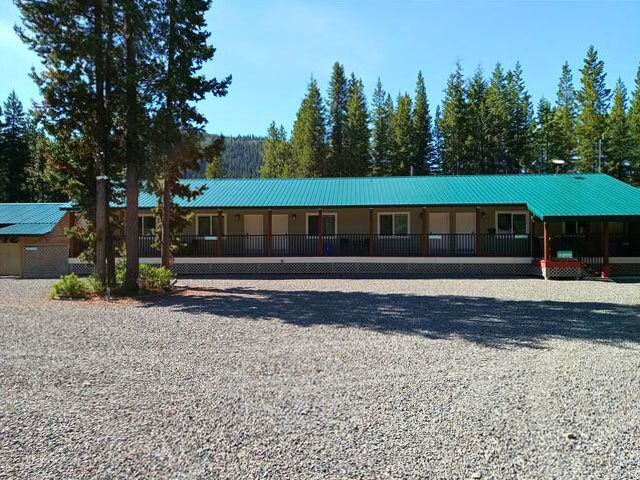
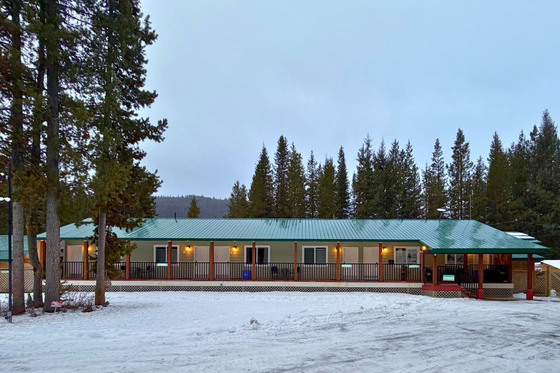
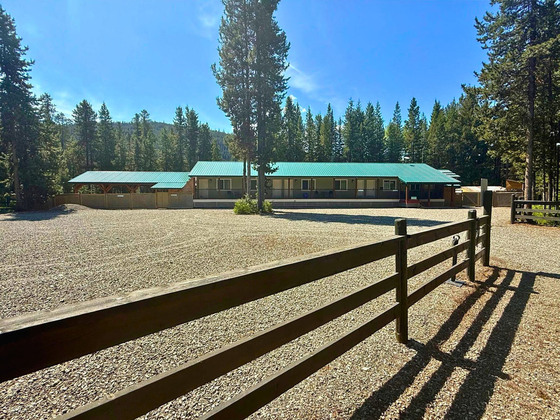
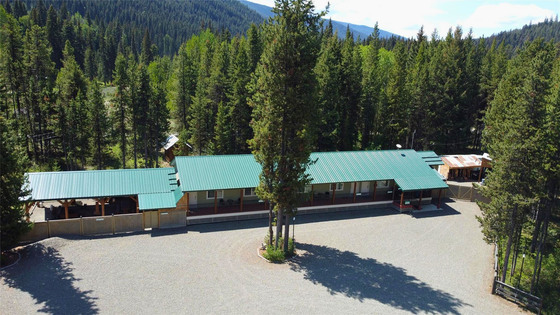
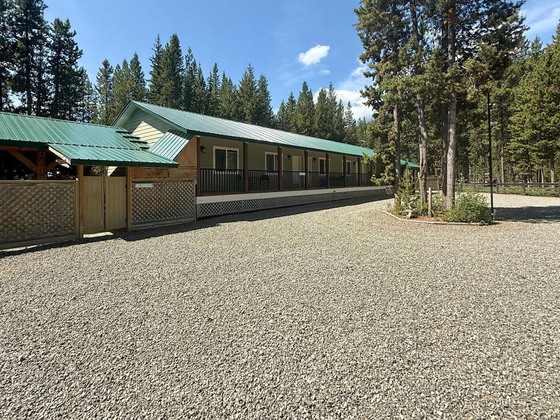
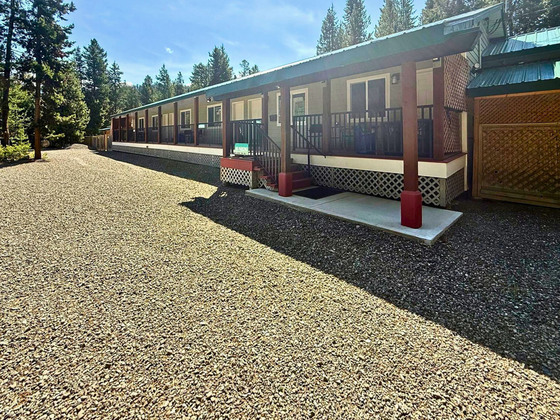
Well-built, turnkey 4-unit lodge with a private owner’s suite, located in East Gate, approximately a 10-minute drive to Manning Park Lodge and Ski Hill, along Highway 3 (Hope-Princeton Highway). Purpose-built for short- or long-term accommodation, the property is zoned CT1 (Tourist Commercial), allowing use as a revenue lodge or a private mountain retreat with guest suites.
The lodge includes four self-contained 1-bedroom guest suites, each with queen bed, sofa bed, kitchenette (fridge and microwave), full bathroom with shower, Wi-Fi, and TV. The building is well insulated and soundproofed with fire-rated demising walls. Shared guest laundry and an additional fridge/storage area are on site, along with a covered outdoor BBQ and games area.
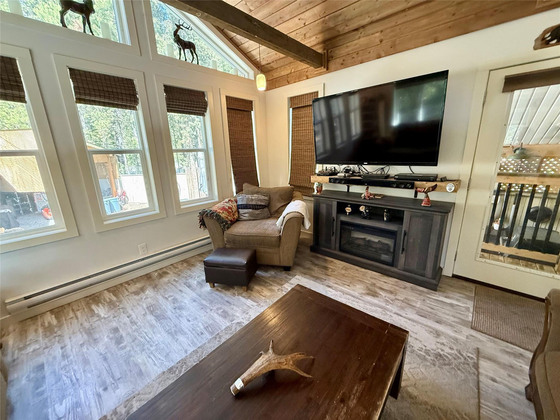
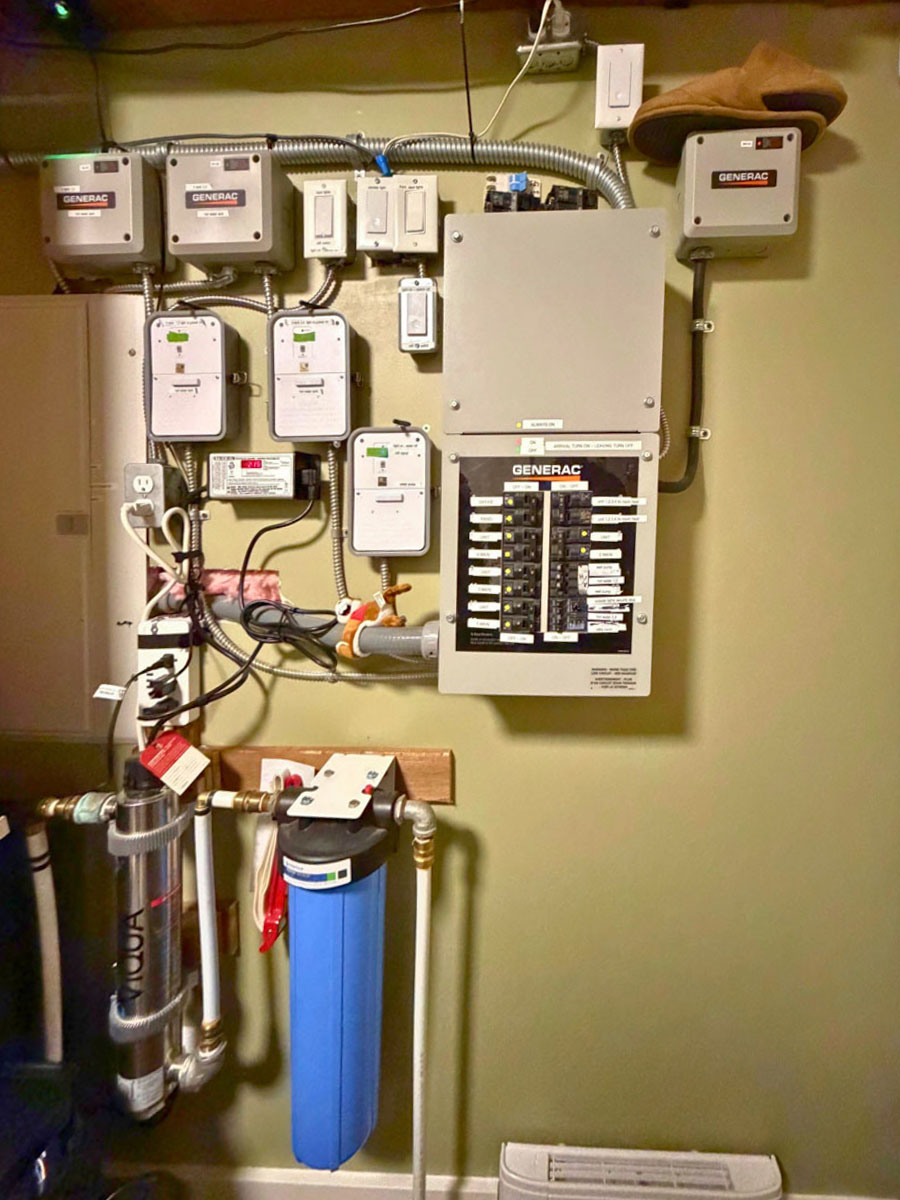
The owner’s residence offers a 1-bedroom, 1-bathroom layout with full kitchen, laundry, and a spacious living area, plus a private outdoor space with firepit and BBQ. Two sea cans provide secure storage. The property is fully Wi-Fi-enabled with remote control of security system with cameras, electronic locks, lighting, hot water, and power systems. Backup power is supplied by a propane Generac generator. Water is via an on-site shallow well, piped below grade to the crawlspace, with septic tank and field in place.
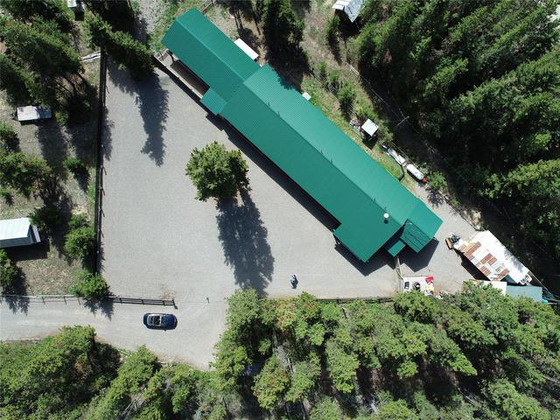
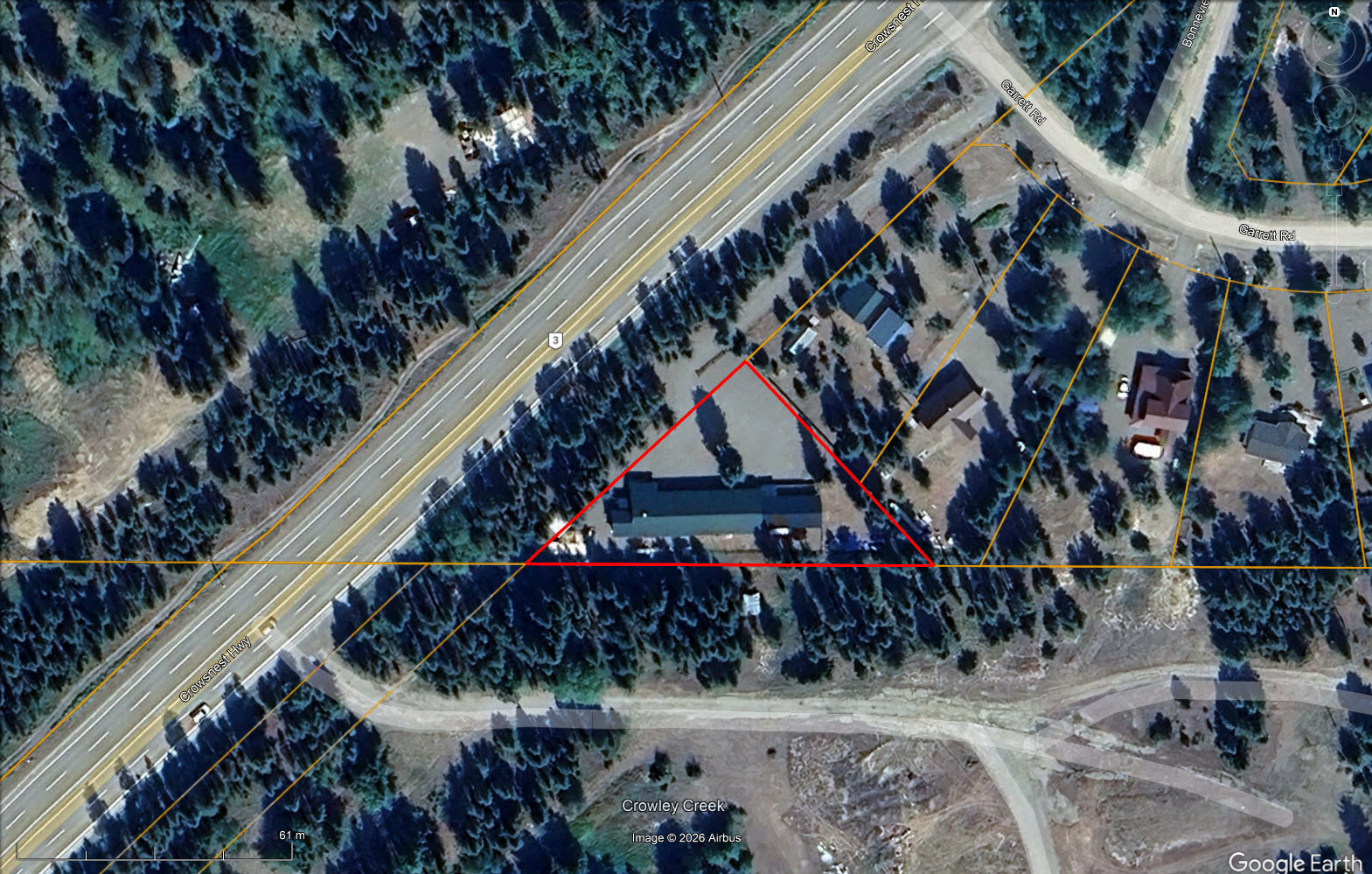
The building measures 92' x 30' including deck, set on a 0.514-acre parcel. Construction features include a concrete foam-block foundation, 5’ crawlspace running the length of the building, 2" x 6" construction, engineered roof trusses, “silent” floor trusses, Low-E argon-filled windows, fibreglass-skinned entrance doors, Hardie® board siding, and a metal roof.
Direct snowmobile and ATV access leads from the parking area into the Pasayten Valley. The setting is surrounded by the Pasayten Wilderness Area and near the Similkameen River, approximately 3 hours from Vancouver and 2.5 hours from Kelowna. Highway 3 frontage provides year-round access and strong visibility for tourism use.
A well-built, turnkey accommodation property in a high-demand outdoor destination with flexible Tourist Commercial zoning and year-round recreation at the doorstep. Call to book your appointment to view today!
The motel fronts the Hope-Princeton Highway and is approximately a 10-minute drive to Manning Park Resort and ski hill. 1 hour from Princeton, 3 hours from Vancouver and 2.5 hours from Kelowna.
Manning Park's wide variety of summer and winter recreational activities makes it one of the most popular parks in southern British Columbia. Located in the heart of the Cascade Mountains, it's only 175 km (108 mi) east of Vancouver. The park is especially well known for its hiking opportunities. There are 276 km (166 mi) of trails within Manning, ranging from multi-day backcountry treks, to self-guided nature walks. For the most ambitious hikers it is even possible to take a six-month trek starting in Manning and going all the way to Mexico along the transcontinental Pacific Crest Trail.
Manning Park, combined with the Skagit Valley and Cascade Recreation Areas, as well as Washington State's North Cascades National Park and Ross Lake Recreational Area, is part of a huge transboundary park complex. This design follows the principles of conservation biology, aimed at promoting connectivity. By connecting wild spaces together, wildlife are provided with corridors between intact areas and enough range in which to feed, migrate, and adapt to changing conditions.
Some of the most popular trails in Manning Park include Rhododendron Flats, Strawberry Flats, the Lightning Lake chain, and the Frosty Mountain Loop. There are many more trails within the park, visit the visitor information center, or BC Parks for more information.
The Blackwall-Three Brothers area is an excellent point to see the gorgeous summer alpine flower explosion. Several trails lead to meadows up to 21 km (13 mi) long and 5 km (3 mi) wide. Over 100 kinds of wildflowers bloom in these meadows during the spring and summer including: western anemones, phlox, lupine, and betony. The most common flowers are the yellow glacial lily, the red Indian paintbrush, and the orange fan-leaf cinquefoil.
Many visitors come to Manning in the winter for skiing, both cross country and downhill. There are 24 cross-country trails and 30 km (19 mi) of trails for Nordic skiers. Ski lessons and childminding are available. The Manning Park Resort also runs the Gibson Pass Ski Area, for downhill skiing and snowboarding. The winter season in Manning is from late November to early April.
The park's four developed campsites (Lightning Lake, Mule Deer, Hampton and Coldspring) contain approximately 355 sites. Facilities include a canoe launch at Lightning Lake, firewood, drinking water, 4 self-guided nature trails, and developed beaches at 3 sites. There are also 70 wilderness/walk-in sites dispersed throughout the park.
Especially during the winter, many people choose to stay at Manning Park Lodge, which provides 41 lodge rooms, 4 chalet triplexes (some with cooking facilities), and 15 family cabins.
Another popular trek is the Skyline Trail around Lightning Lake. It can be hiked in one day, but an overnight stop en route is preferable. The Skyline Trail is part of the Centennial Trail which extends from Simon Fraser University in Vancouver to Cathedral Provincial Park. The trek from Manning to Cathedral is about 80 km (50 mi) long and takes at least a week. There are campsites along the way.
The Manning Park area was originally used as a commerce route for Native inhabitants, as a way to transport goods between the coast and the interior. The old Dewdney and Hope Pass Trails in the northern part of Manning are evidence of the use of the area by explorers in the 1800s, who were trying to find a route through the Cascade Mountains.
The current history of Manning Park began on June 17, 1941, when the Provincial Park was officially established. At the time BC Parks was not given any budget to manage it, and the department suggested that it be logged in order to raise revenues to administer it. Fortunately, this did not take place, and eventually the government allocated money to manage the parks system.
Despite its importance to them, Manning Park was originally protected without wildlife or ecosystems in mind, but simply in order to preserve a particularly scenic section of the southern highway through the Cascade Mountains. Now, Manning Park is recognized for its value to plants, wildlife, and visitors seeking a wild adventure.
Adjacent to Manning on its western border lies 27,948-hectare (69,062 acre) Skagit Valley Provincial Park. The preservation of the Skagit Valley is a wonderful example of how British Columbians have worked together to ensure their wilderness landscape remains wild. In 1906 Seattle City Light company built the Ross dam to the south in Washington State and flooded the middle portion of the Skagit River, in order to provide electrical energy.
In the late 1960s, Seattle City Light announced its intention to raise the Ross Dam. This would have created a reservoir that would have backed far up into British Columbia's upper Skagit. This would have devastated this spectacular area, particularly at lower water levels, when the BC Skagit Valley bottom would be a stump-ridden, mudflat wasteland. However, strong citizen reaction to the proposed High Ross Dam developed, first in BC then later in Washington State as well. The ROSS Committee (Run Out Skagit Spoilers) was formed in BC to fight to stop the dam and protect the Skagit. It was BC's first truly large-scale citizen environment campaign. Leaders of the ROSS, Ken Farqueson, Brian Williams, John Fraser, Tom Perry and others, went on to stop the dam and later became founding leaders of BC's new conservation movement.
In 1973, the Skagit was dedicated as a Recreation Area and in 1997, the beautiful Skagit Valley was upgraded to full provincial park status. Now protected for all time, Skagit Valley Provincial Park is a beautiful neighbour to Manning Park and one that extends the habitat available to plants and animals alike.
49° 9'0.99"N and 120°36'7.19"W
$1,536.75 (2025)
CT1 (Tourist Commercial)
Zoning Bylaw No. 3065, 2024, Regional District of Okanagan-Similkameen
Additional zoning information can be found on the Regional District of Okanagan-Similkameen website.
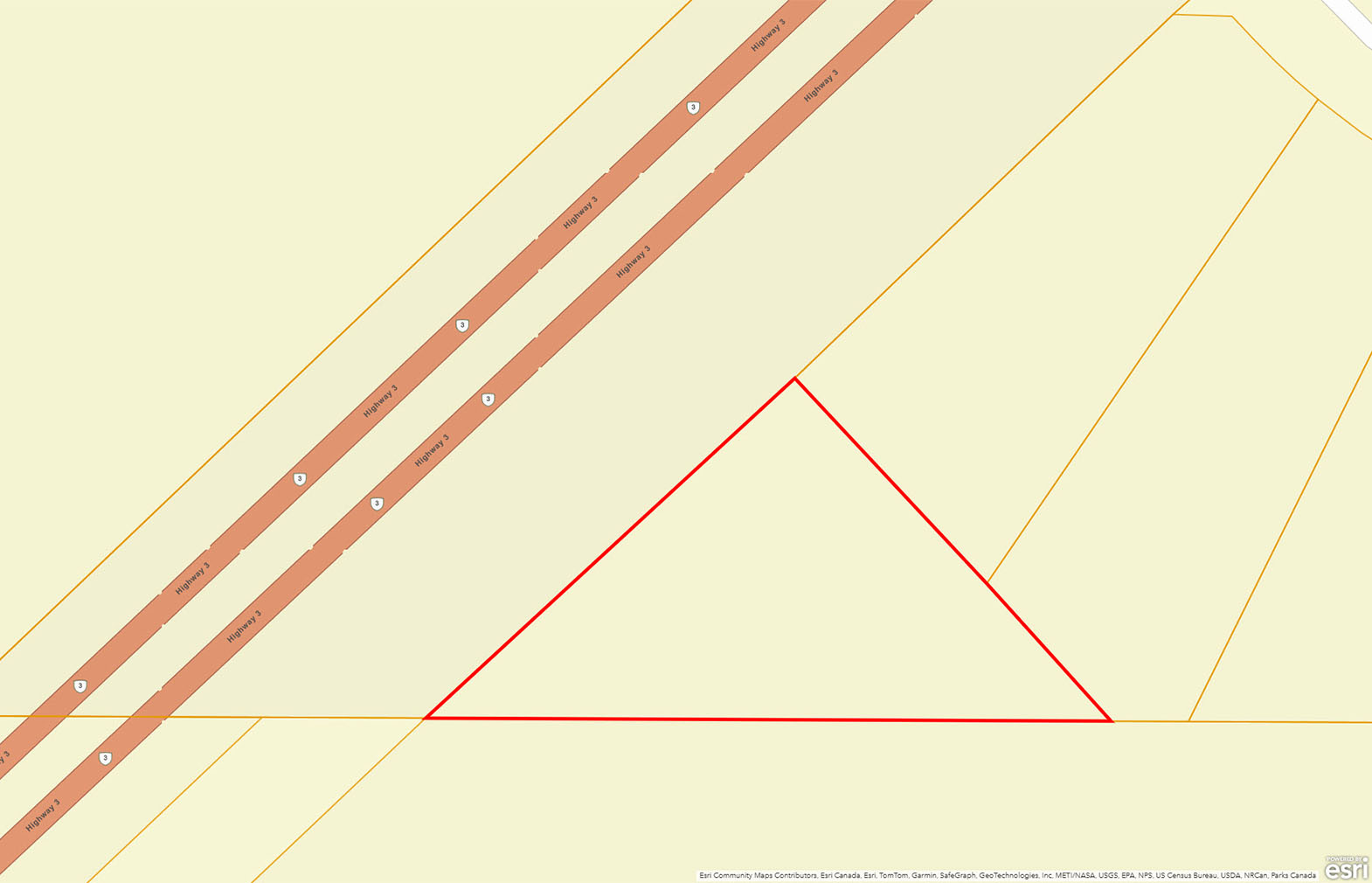
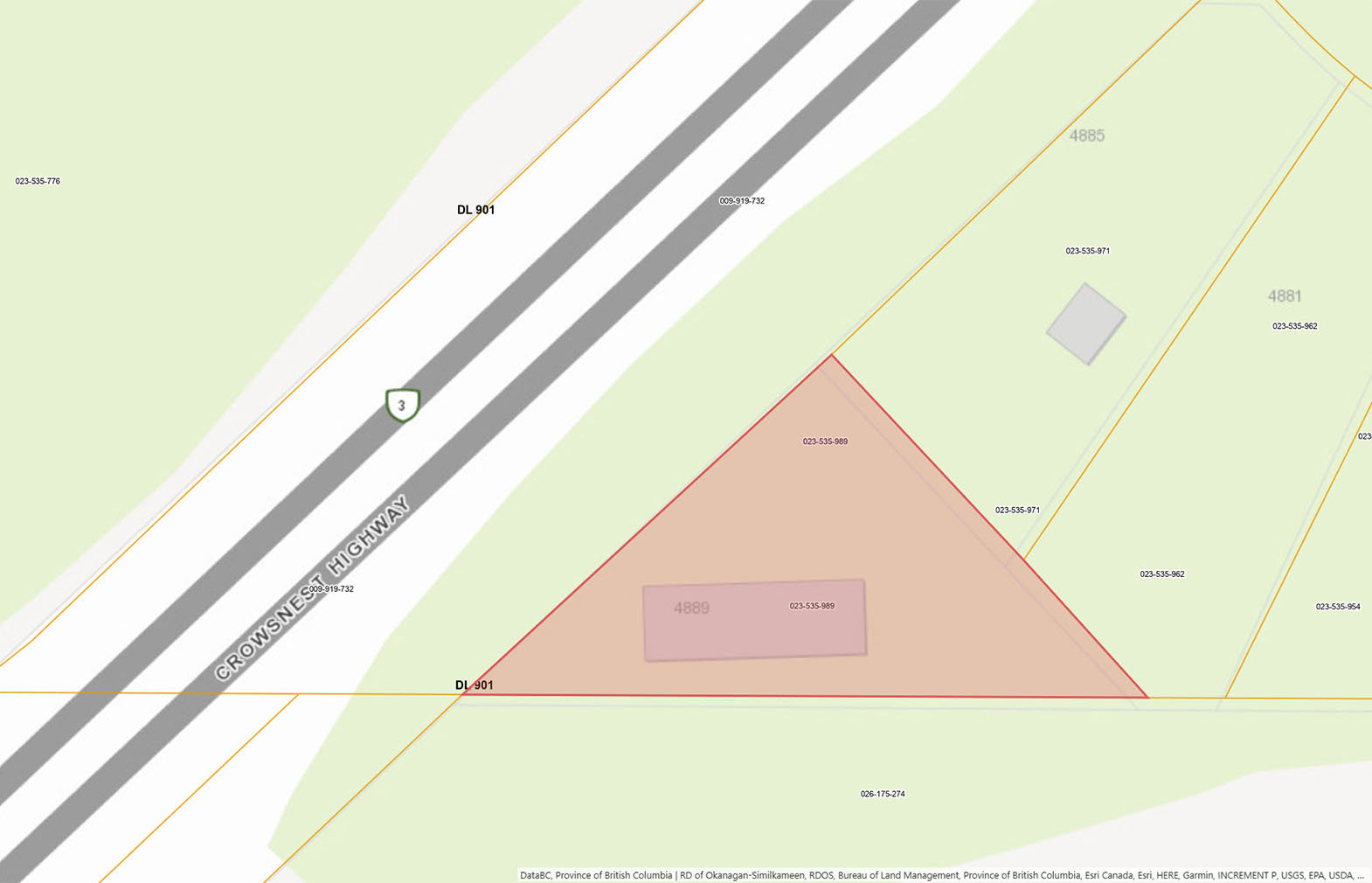
LOT 15, PLAN KAP57546, DISTRICT LOT 901, YALE DIV OF YALE LAND DISTRICT
PID 023-535-989
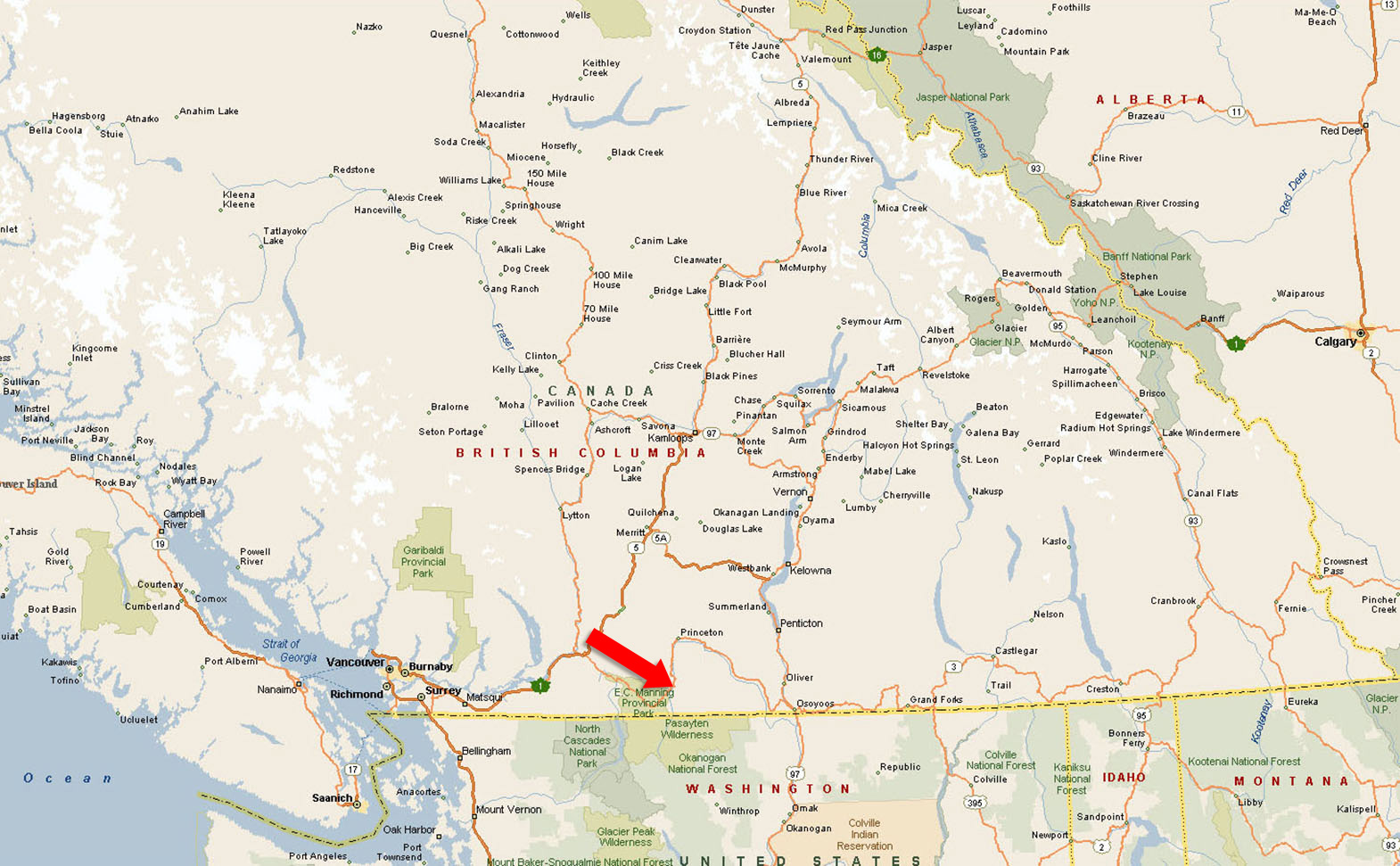 +8 maps
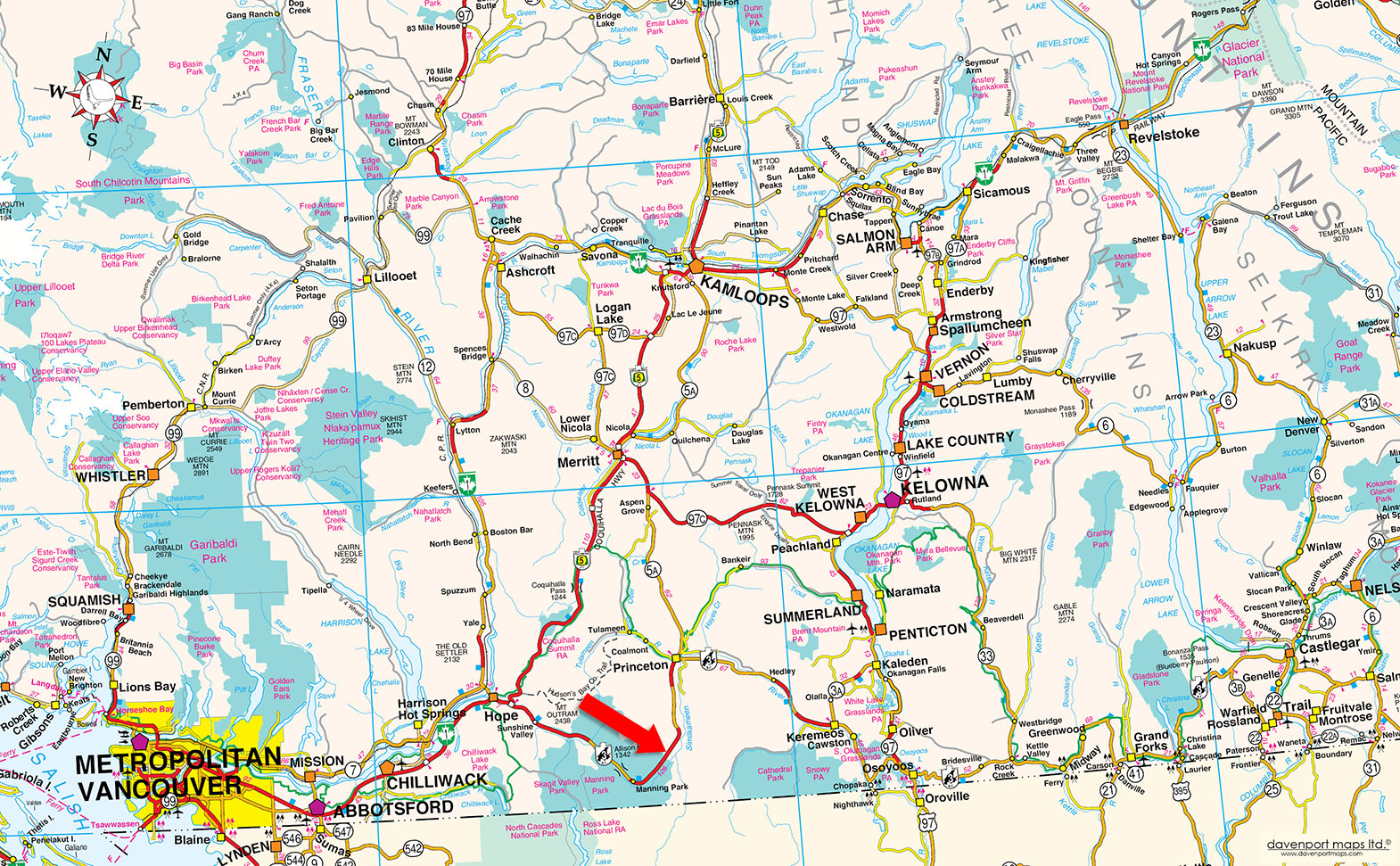
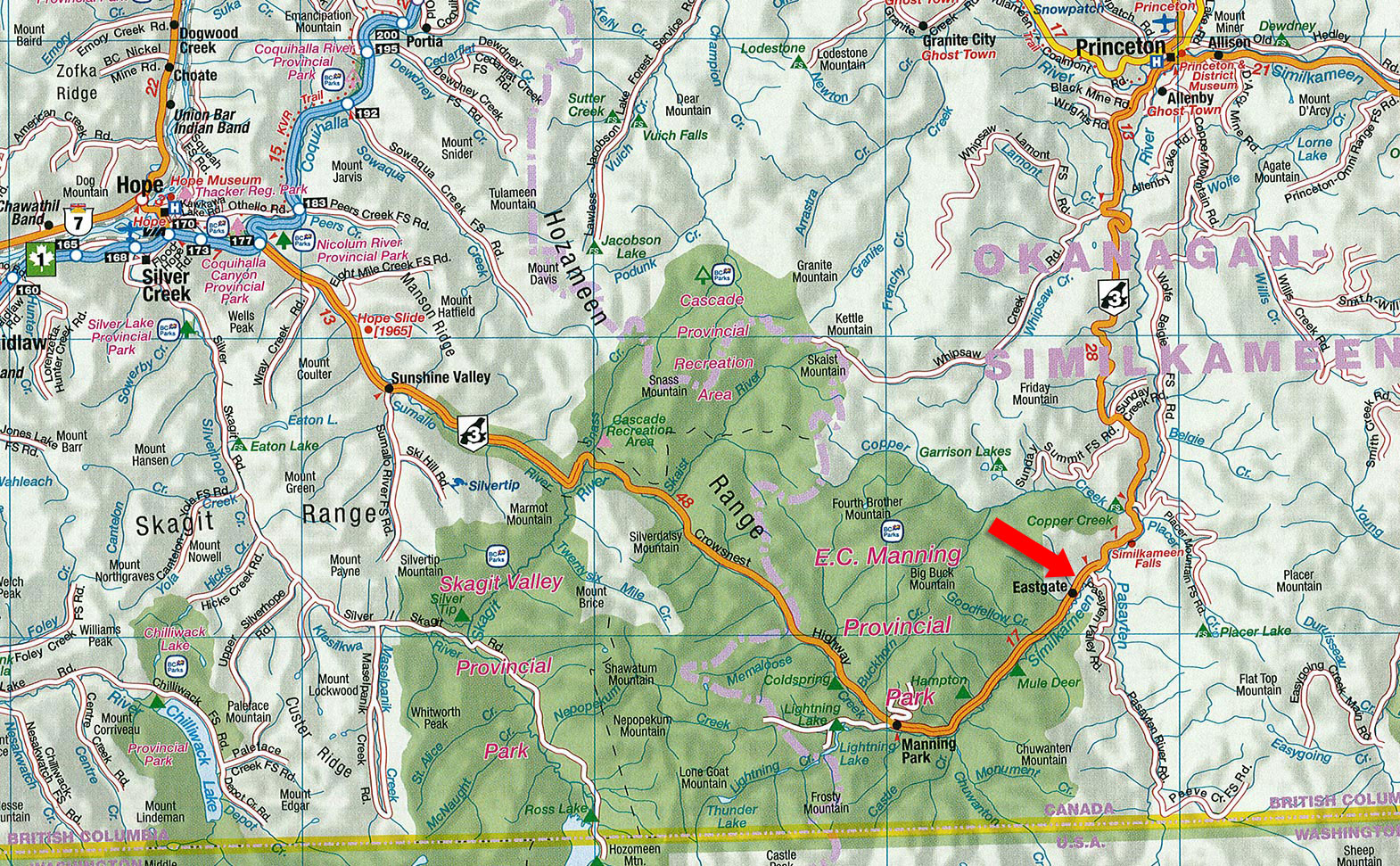
Our property descriptions and geographical information are taken from the BC Assessment Authority, Land Titles Office, government maps and other sources. While LandQuest® does not guarantee the information, we believe it to be accurate, but should not be relied upon without verification. This communication is not intended to cause or induce breach of an existing agency agreement.
Copper Mountain
 7℃
7℃
 0℃
0℃